emergency preparedness

Supporting the People of Nepal After Devastating Flooding

Written by Denise Attwood and Satish Shrestha

At the heart of CCF are partnerships—our Conscious Connections—that are powerful and through which our impact is multiplied. We are Nepali-led because the needs are best understood by its local people. CCF’s work is rooted in relationships built over more than four decades. Through collaborative partnerships, CCF brings input and resources while ensuring accountability and impact.


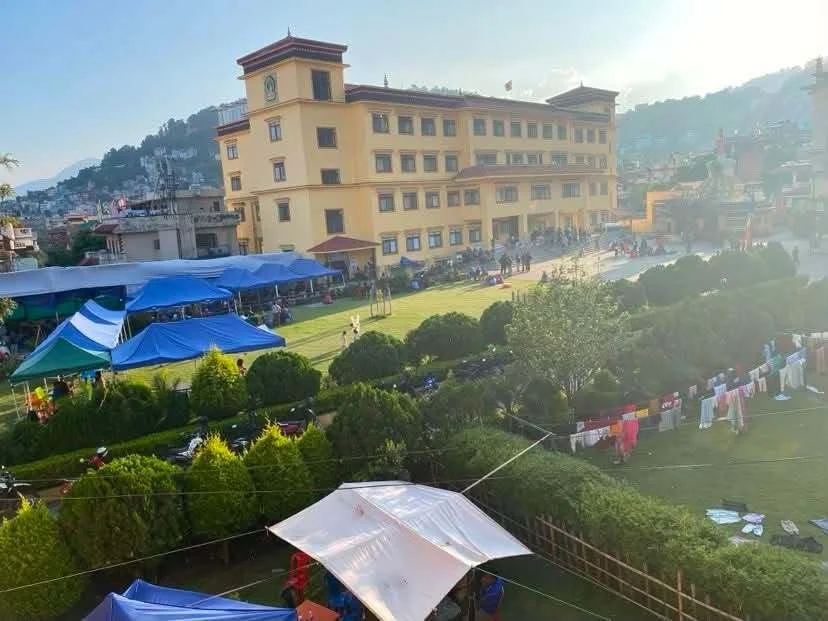
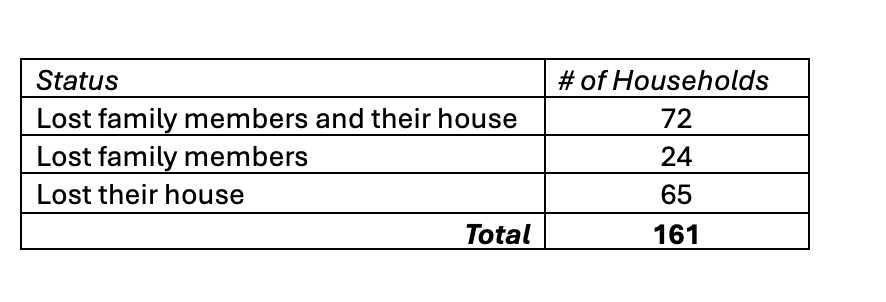
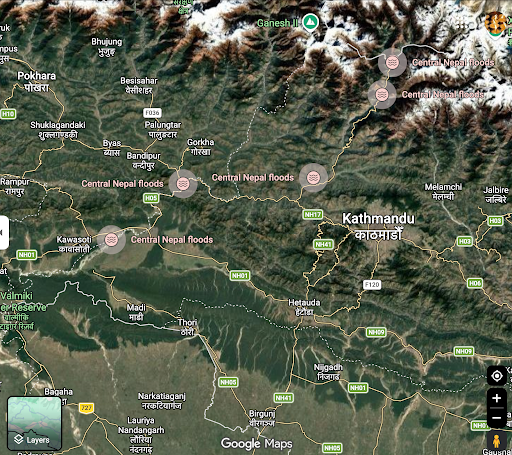
On August 26, 2026, a devastating flood swept through Tibet and Nepal causing massive destruction and death from its origin in Tibet down through the Trishuli river watershed and beyond. Although CCF is not principally a disaster relief organization, we have experience in dealing with disasters in Nepal. With our strong partnerships on the ground in Nepal and the incredible assistance of our sister nonprofit Conscious Connections Nepal (CCN) we have the ability to assess who is working in the impacted areas, who knows the communities, and who can distribute goods effectively and efficiently to those in need.

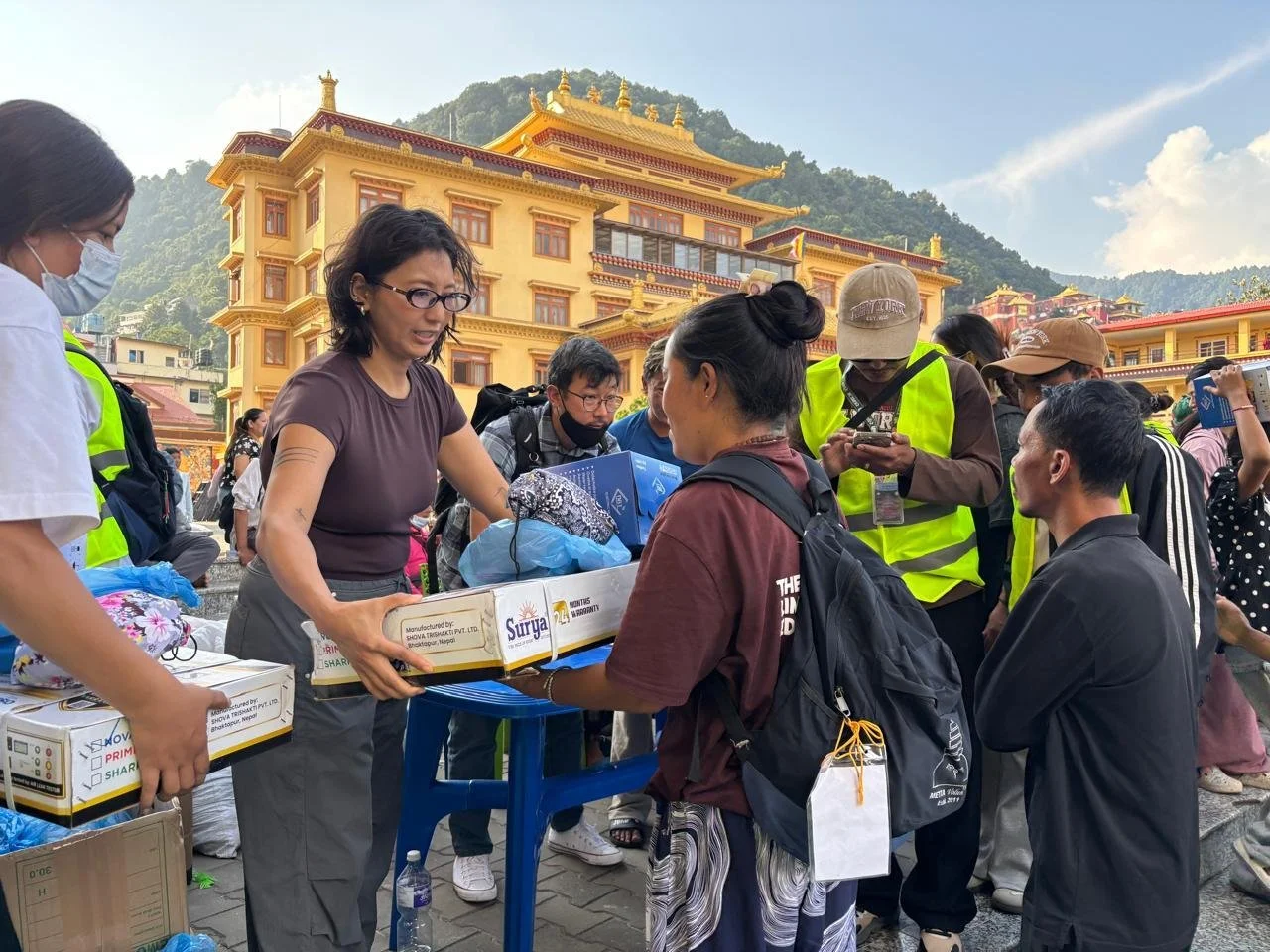
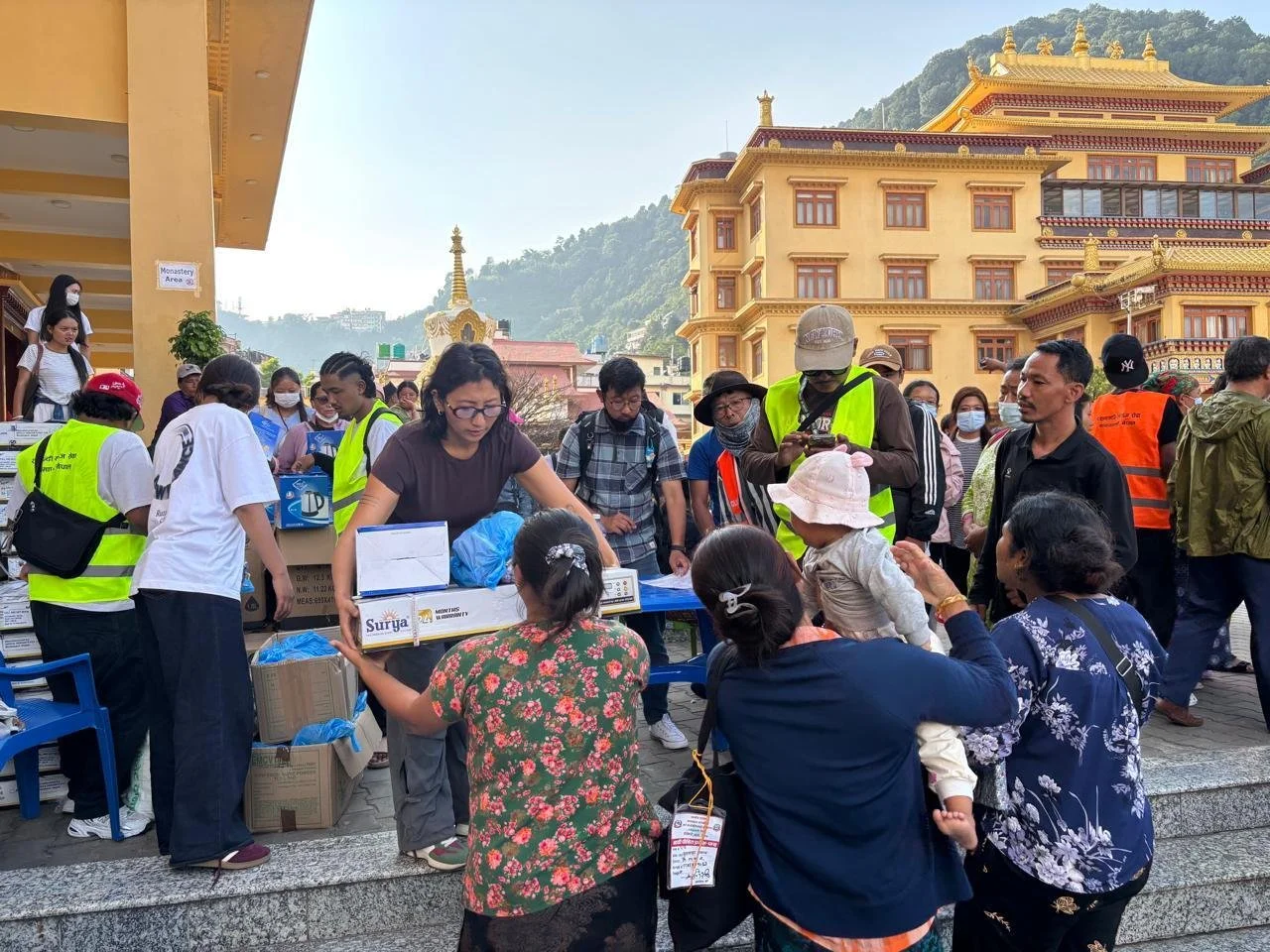
Starting on August 26, CCF/CCN provided, at the request of the non-profit organization Hami Nepal, 245 reusable menstrual hygiene kits for distribution in the impacted areas. On August 28, CCF provided funding to CCN to fulfill some of the immediate needs of local relief organizations. We will continue to do our part to fill the gaps in what is not being provided, for the short term. But, the reality is that the really hard work comes after all of the aid groups have gone and the world has turned their attention to the next disaster. And so we are assessing the strengths and connections that CCF/CCN have and talking with those impacted to try to understand how we can provide support as well as preventive measures for these impacted families and communities into the future.

CCF is committed to being there for the long haul. We have worked in Nepal for 40 years and the well-being of that country and her amazing people is at the base of all that we do. We have asked our good friend Satish Shrestha to write a blog post so that you can fully appreciate how deeply the survivors of this tragedy have been impacted and the work that lies ahead. 

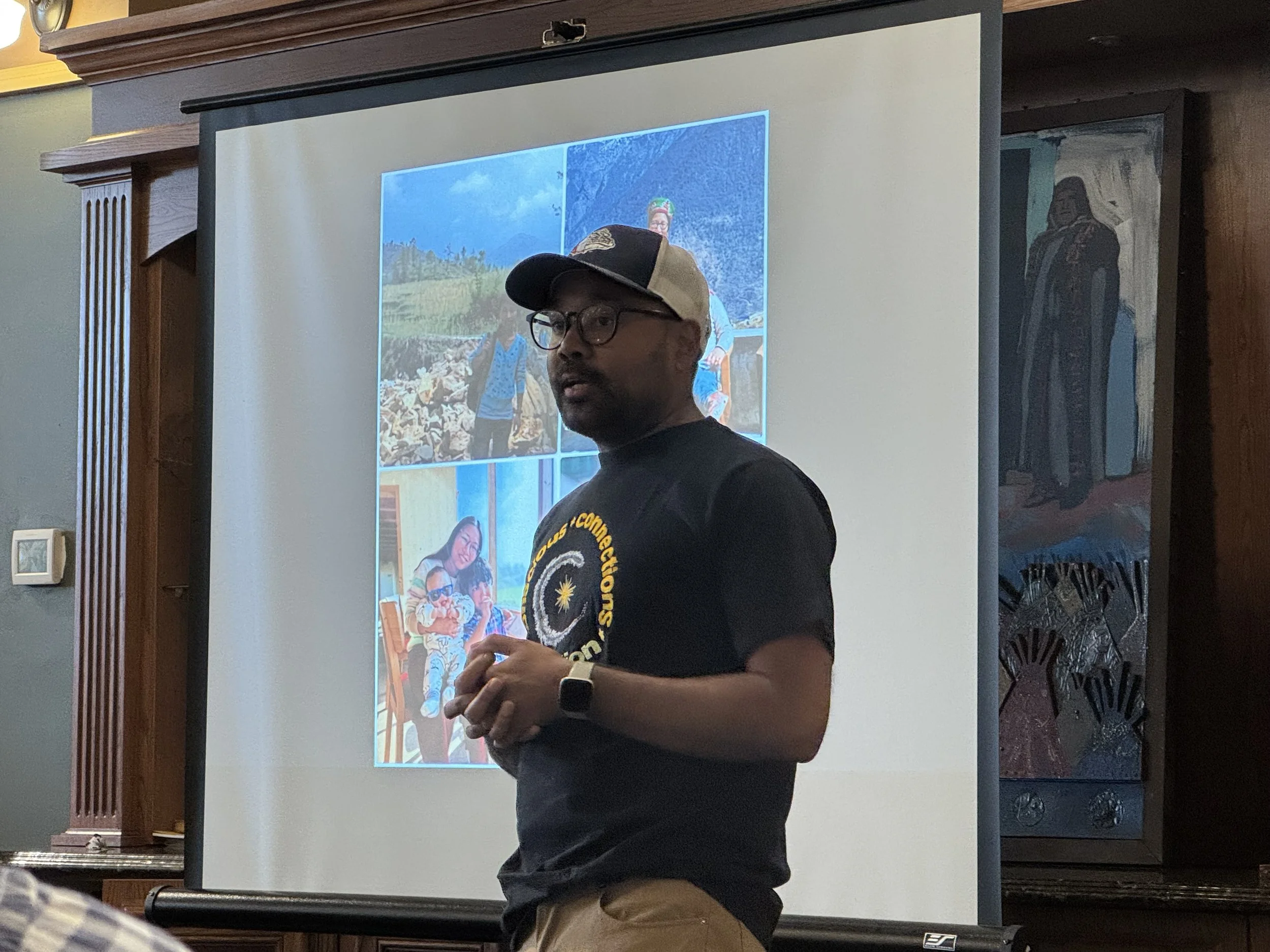
Education was Satish Shrestha's way out of poverty growing up in Nepal. Now he leads a data and applications team serving universities and colleges across North America. A physics degree taught him how the physical world actually works; graduate degrees in business and leadership taught him how people actually do. A triple Zag with fifteen years in higher-ed tech, he uses both to simplify administrative burdens for students. For just as long, he's also been making micro-loans through Kiva to back students on the other side of the world. — Denise


Beyond the First Week by Satish Shrestha

Numerous friends have reached out to me since the massive flooding hit Nepal last Wednesday. As of today, the death toll has surpassed 500 and continues to rise. Thousands are displaced. For four days, I couldn’t bring myself to respond, not because I didn’t care, but because I was in shock, and honestly, I didn’t know what good sending money right away would actually do.

So instead of reacting, I reached out. I spent those four days talking to friends, family, and people in my network who understand disasters like this far better than I do.

One of those conversations changed how I’m thinking about this entirely.

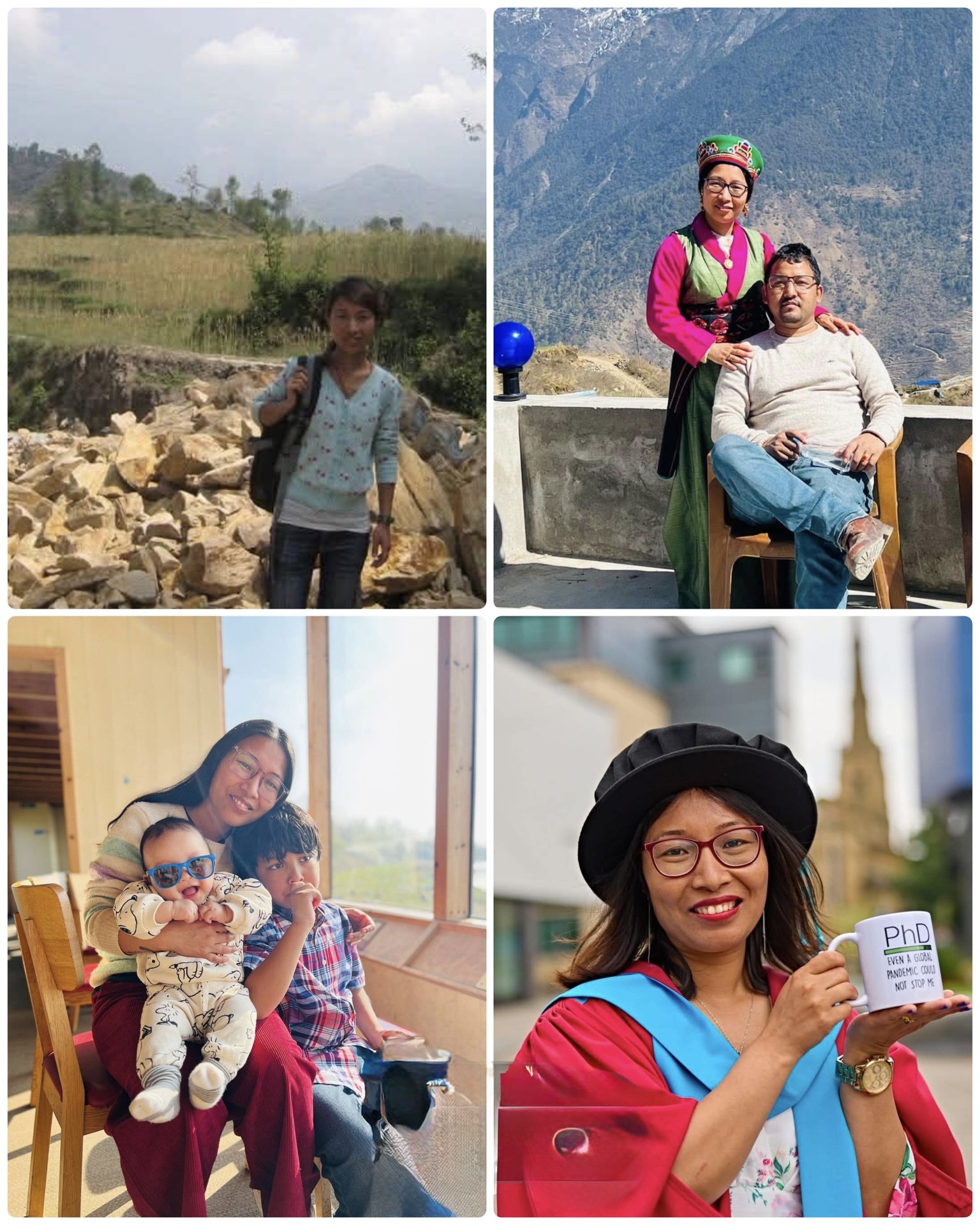
A childhood friend of mine grew up in Thuman, a village that neighbors Syabru Besi and Timure - two of the devastated areas. Though most of her family is now in Kathmandu or abroad, many of her relatives still live in the region, and her family has stopped counting how many people they’ve lost. Every day brings news of someone else gone. The grief and stress in her community are constant and compounding.

If I’m in shock from thousands of miles away, I can’t fully imagine what she and her family are living through right now.

My friend’s background is in community service and public health. While I was still in high school trying to figure out how to make a difference in the world, she was already out there doing it, partnering with local nonprofits in her mountain village. 

So I asked her the only question that mattered: What is the right thing to do right now?

Her answer: Look past the first few weeks. 

Here’s what she told me, and it reframed everything:

Everyone wants to help in the first few weeks after a disaster. That instinct is good and meaningful, but the real, sustained need begins after people survive. The people who are gone are gone. The people left behind are the ones carrying the stress, the trauma, and the burden of rebuilding.

One of the most urgent and overlooked needs: countless adults who died in this disaster have left behind young children. These kids didn’t just lose their parents, they’re now at risk of losing their path to an education and, with it, their future. In a country like Nepal, education isn’t a nice-to-have. It’s the clearest route to long-term stability and opportunity.

Money and fundraising matter. But the real question is: how do we mobilize that money for lasting impact, not just immediate relief?

Two ways to help meaningfully:

  1. Fund education for the children left behind. By some good fortune, I’m connected to a local nonprofit here in Spokane, Conscious Connections Foundation, that has spent years supporting women’s empowerment and education in Nepal. That mission aligns with the nonprofits my friend has worked with and led in Nepal, and it’s exactly what she pointed me toward. Directing resources toward keeping these orphaned children in school is one of the most concrete, lasting things we can do right now.

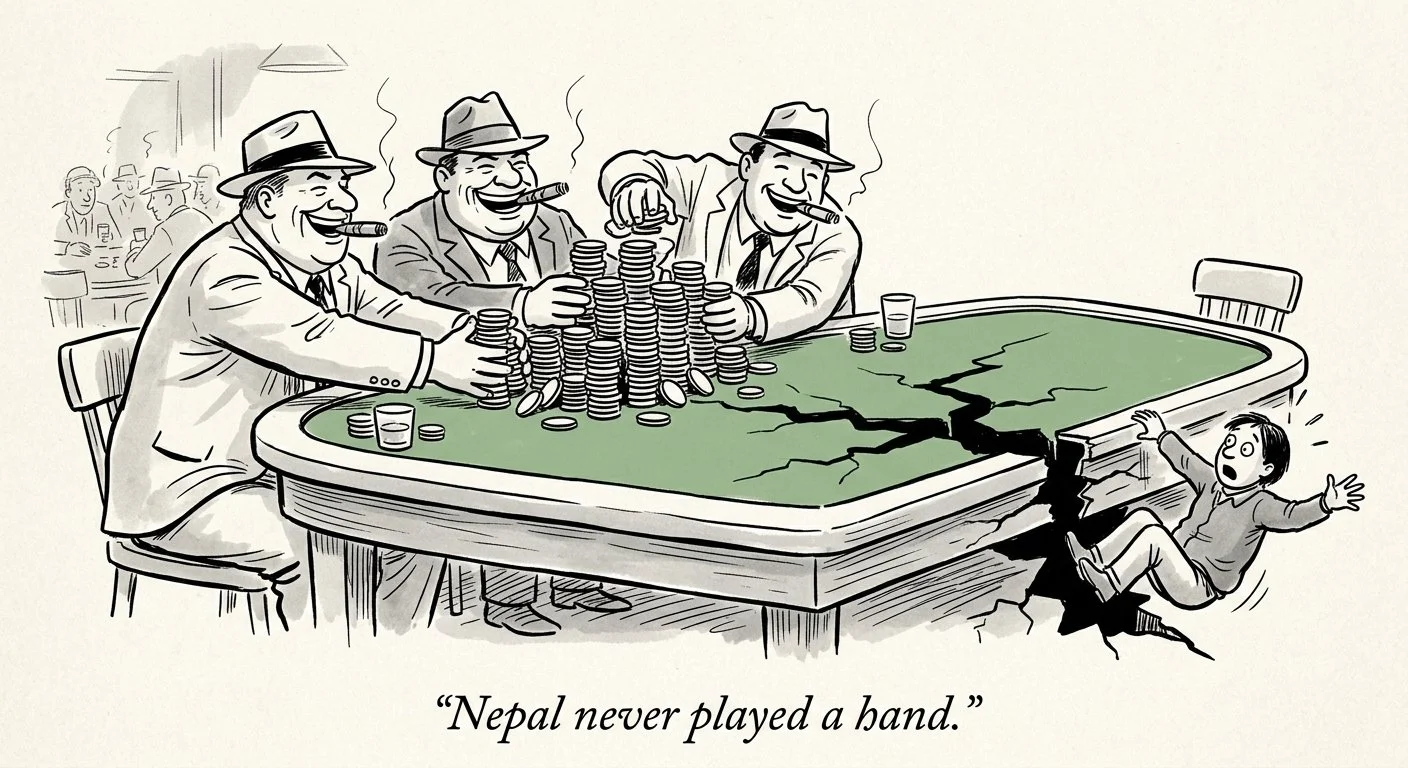
  2.  Build awareness that outlasts the news cycle. Disasters like this trend for a few days and then disappear from view, especially for people in the Global North, far removed from the daily reality on the ground. We need sustained partnerships between organizations here in North America and communities in Nepal, so that young people in the West understand that their choices and their giving have real, lasting impact on people’s lives half a world away.

This is the call. I’m not writing this to ask for a one-time donation and move on. I’m asking you to do two things:

  • Support education funding for children who lost parents or homes in this flood, not just emergency relief, but their path forward. Please donate here

  • Help build lasting awareness, not a 48-hour news cycle. Talk about it. Share it. Push the organizations and people around you to think past this week.

The immediate crisis will fade from headlines soon. The children left behind will still be here, still needing a way forward. That’s where we come in.

If this moves you, don’t just feel it — act on it. Reach out, ask how you can help, and commit to staying engaged past the point where it’s easy to look away.— Satish


Where We Go From Here

On CCF/CCN’s behalf, please know that our disaster-based work will be carefully reviewed by CCF’s Board of Directors, discussed with CCN and our partners in Nepal, and assessed for the greatest long-term impact. We will always be mindful of donors’ wishes and transparency will be our priority. You can see our guidelines for CCF emergency funding on our website.

In early 2026, CCF also started to explore ways that we can provide assistance for Women impacted by Climate Change. Now seems the time to expand this work. These disasters are not going away and are a direct result of the warming of our beloved planet. They are impacting those who contribute the least to that warming. As such we at CCF/CCN believe that we not only have to care for those impacted but also have to bring awareness and education to those of us in the Global North as to how our actions and policies impact the entire world.

So, we leave you with this forceful and poignant quote by our partner, Sristhi Bajracharya, stated after the floods….

Global warming is real. Climate change is happening now.

It is not a distant threat or a problem for future generations. It is happening in our mountains, our rivers, our villages, and our homes. This is not just about climate. It is about people, lives, homes, livelihoods, and our future.

Let us not wait until the next disaster to acknowledge it. The world must act—and it must act now.

When Every Second Counts: Life-Changing Wilderness First Responder Training in Nepal

A four-hour drive from Kathmandu would forever change how we think about emergency preparedness in remote areas.

Written By Kesang Yudron, Founder and Director of Conscious Connections Nepal

The winding mountain roads carried us away from the bustling streets of Kathmandu toward the serene hills of Bandipur, where our 10-day Wilderness First Responder (WFR) training awaited. Organized by Initiative Outdoor Nepal and offering SOLO (Stonehearth Open Learning Opportunities) certification, this intensive program would soon prove to be one of the most valuable experiences of our lives.

 Why Wilderness First Aid? A Question That Answered Itself

Initially, I questioned whether I really needed wilderness first aid training. That doubt quickly dissolved when I considered the reality of our work. Our programs take us deep into remote regions like Sankhuswabha in northeastern Nepal, where the nearest functioning hospital can be days away. We’ve encountered lightning storms and landslides that delayed our journeys between villages, leaving us completely cut off from medical assistance. In these moments, the question shifted from “Why do I need this?” to “How can I afford not to know this?”

 The sobering truth hit home: when you’re hours or days from professional medical help, you become the first—and possibly only—line of defense against medical emergencies.

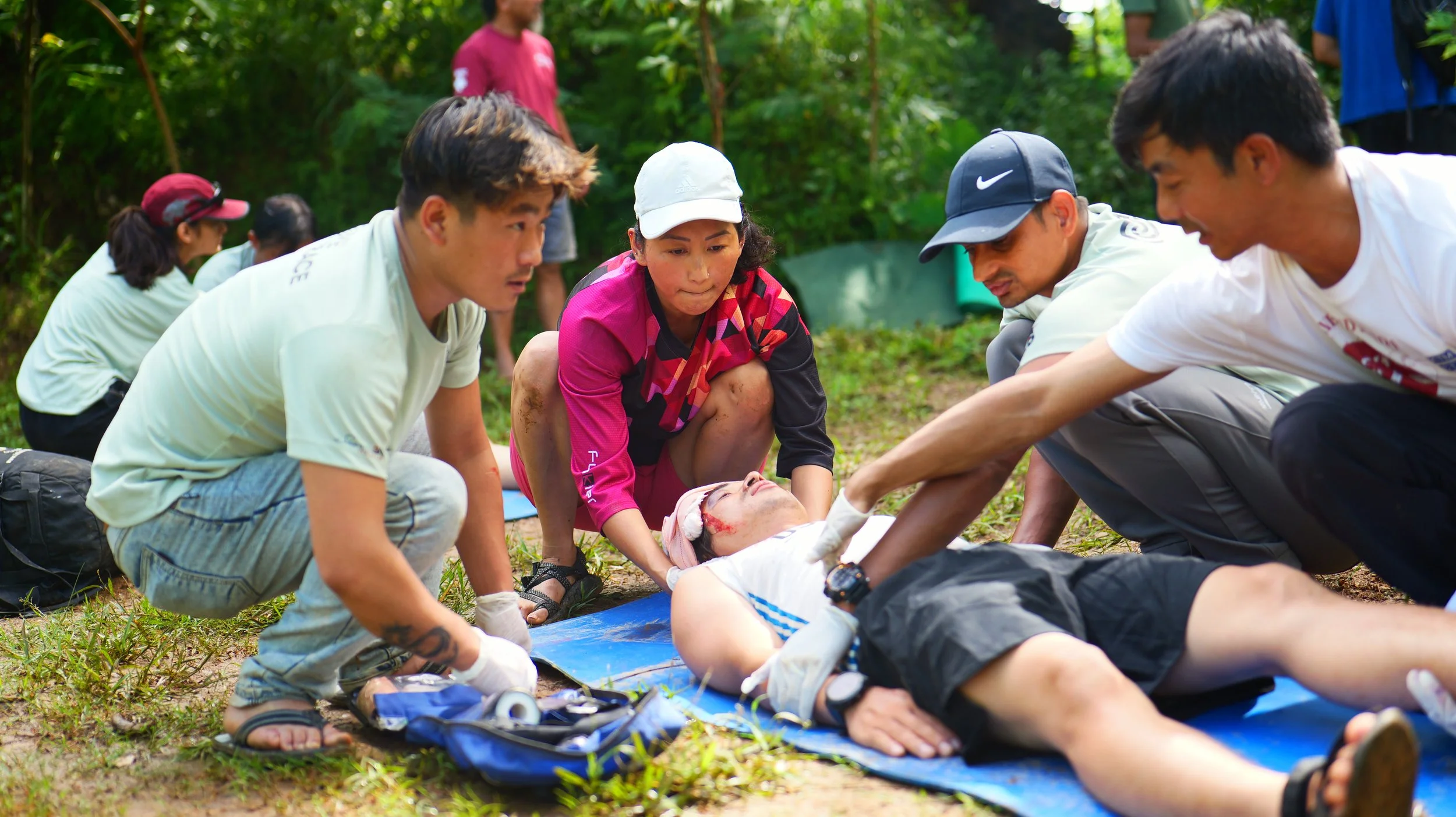
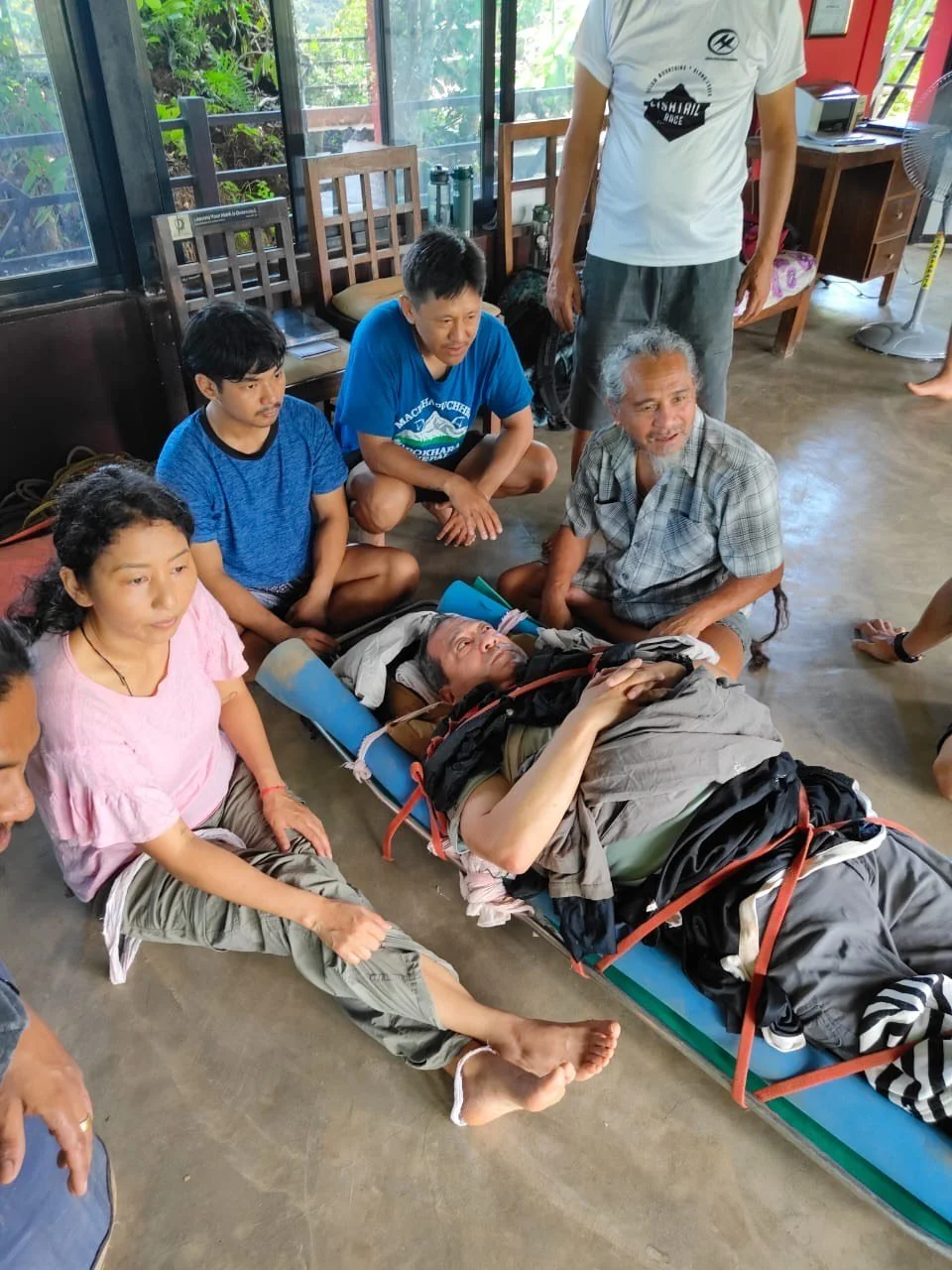
Training participants practice rescue techniques

Photo Credit: Conscious Connections Nepal

A Comprehensive Journey Through Wilderness Medicine

The SOLO Wilderness program unfolded as a meticulously structured 10-day immersion into pre-hospital medicine. From learning proper patient consent procedures to conducting thorough patient assessments, developing rescue plans, and understanding human anatomy, physiology, and pathophysiology, every element was designed to transform us into capable wilderness first responders.

Days 1-3: Foundation Building

The first three days focused on fundamental first aid training alongside 25 participants, many of whom were mountaineering guides from Nepal’s thriving tourism industry. Conducting the training in Nepali ensured that local guides could fully grasp these life-saving concepts and apply them with their clients.

Photo Credit: Conscious Connections Nepal

We tackled everyday ailments that can quickly become serious in remote settings: treating bruises and controlling bleeding, managing dehydration and food poisoning, addressing sprains and respiratory issues. Each lesson carried personal weight—I couldn’t help but think of my cycling accident from years past that resulted in a keloid scar. Had I possessed this knowledge then, I could have managed that injury far more effectively.

For Igroom, who had previous first aid experience, the course served as both a refresher and confidence booster. She found herself more assured in handling bleeding emergencies and performing CPR, skills that felt more natural after hands-on practice in realistic scenarios.

Beyond the Basics: Skills That Save Lives

What truly distinguished this program was its emphasis on improvisation and adaptation. Working with limited resources, we learned to create medical equipment from whatever was available—a crucial skill when your “medical kit” might consist of hiking gear and natural materials.

The practical emergency scenarios were intense and enlightening. Each simulation began with the critical safety assessment: Is it safe for me to enter this scene? We learned to don protective equipment systematically—gloves, masks, and any other barrier devices available—before approaching any patient.

The primary assessment protocol became second nature: Airways, Breathing, Circulation, Deformation, and Environment. This systematic approach helps identify immediate life threats in those crucial first minutes. The secondary assessment taught us to build a complete medical picture through vital sign monitoring, patient history gathering, and thorough documentation—skills that become invaluable when eventually transferring care to medical professionals.

The Art of Knots: Engineering Safety in the Wild

Photo Credit: Conscious Connections Nepal

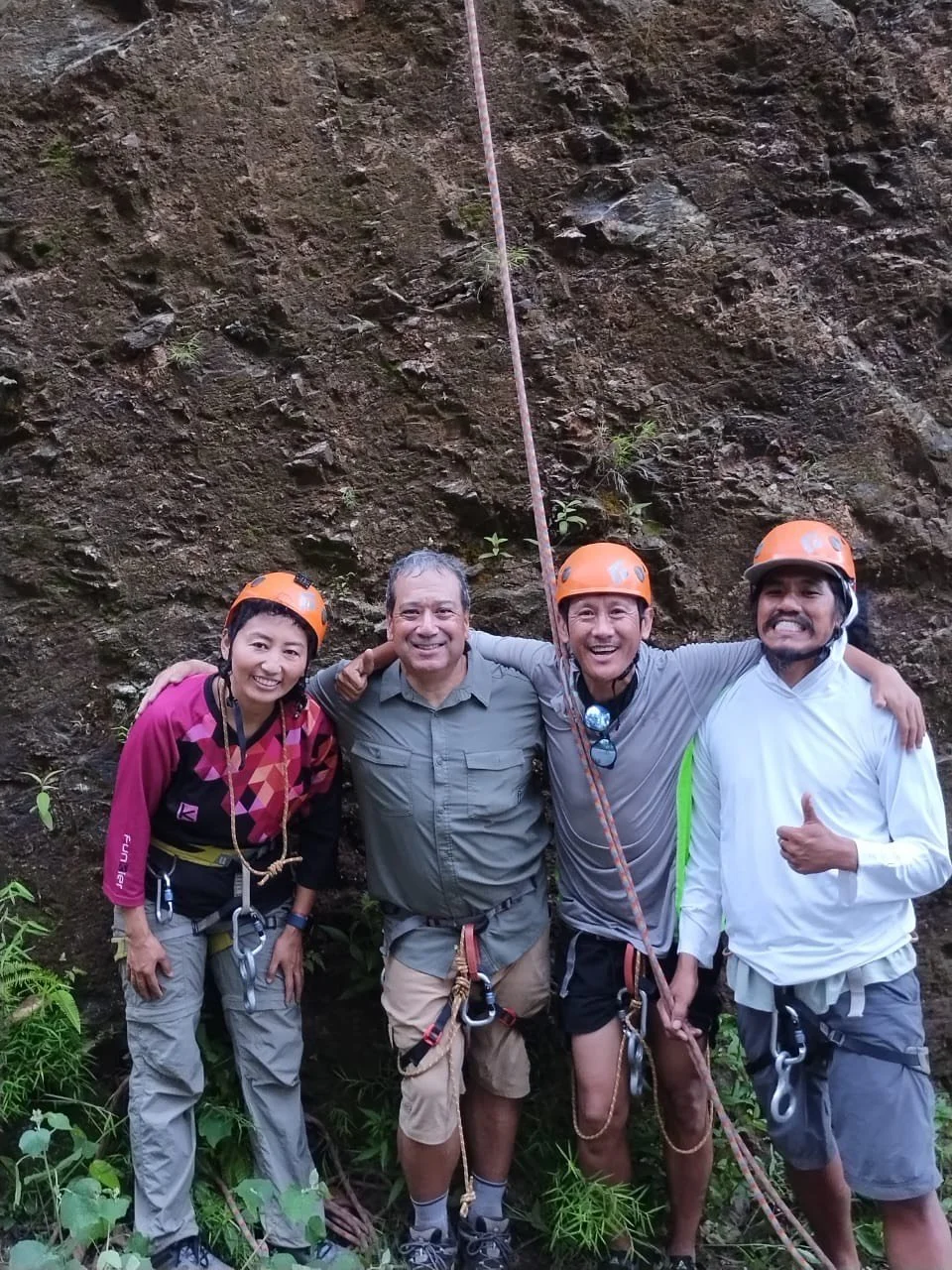
One unexpected treasure trove of knowledge was learning various knots and loops: figure-eight knots, bowlines, clove hitches, and others. These weren’t just rope tricks—they became essential tools for creating improvised splints, building emergency shelters, and executing complex rescue operations. Discovering this “vault of knowledge” felt like unlocking a secret language of wilderness safety. We practises making the knots many times until it felt second nature.

Water Rescue: Confronting Our Deepest Fears

Perhaps the most memorable—and nerve-wracking—component was the water rescue training. Swimming in a mountain stream while learning to assist drowning victims tested both our physical capabilities and mental resolve. We practiced rescue breathing and CPR in realistic conditions, but the most crucial lesson echoed throughout: don’t become the second victim. This principle of self-preservation isn’t selfish—it’s strategic. A rescuer who becomes another casualty helps no one.

Real-World Impact: Beyond Personal Preparation

This training illuminated a broader truth about disaster preparedness. Consider Nepal’s devastating 2015 earthquake: hospitals were overwhelmed, roads were impassable, and communities were isolated for days or weeks. In such scenarios, widespread first aid knowledge among the general population could mean the difference between life and death for countless individuals.

The ripple effect of wilderness medicine training extends far beyond personal preparedness. Every person trained becomes a potential lifesaver in their community, workplace, and family. Mountain guides can better protect their clients, teachers can respond to student emergencies, and ordinary citizens can step up during natural disasters.

A Vision for the Future

We believe WFR training should be integrated into school curricula nationwide. The skills learned here aren’t just for wilderness enthusiasts—they’re life skills that serve everyone, everywhere. From urban emergencies where ambulances might be delayed to rural areas where medical facilities are distant, this knowledge remains relevant and potentially lifesaving.

Our gratitude extends to the Conscious Connections Foundation for providing this transformative opportunity. But our journey with wilderness medicine doesn’t end here. We’re committed to sharing this knowledge, training others in our communities, and building a network of capable first responders who understand that sometimes, when help is far away, we must be prepared to be the help others need.

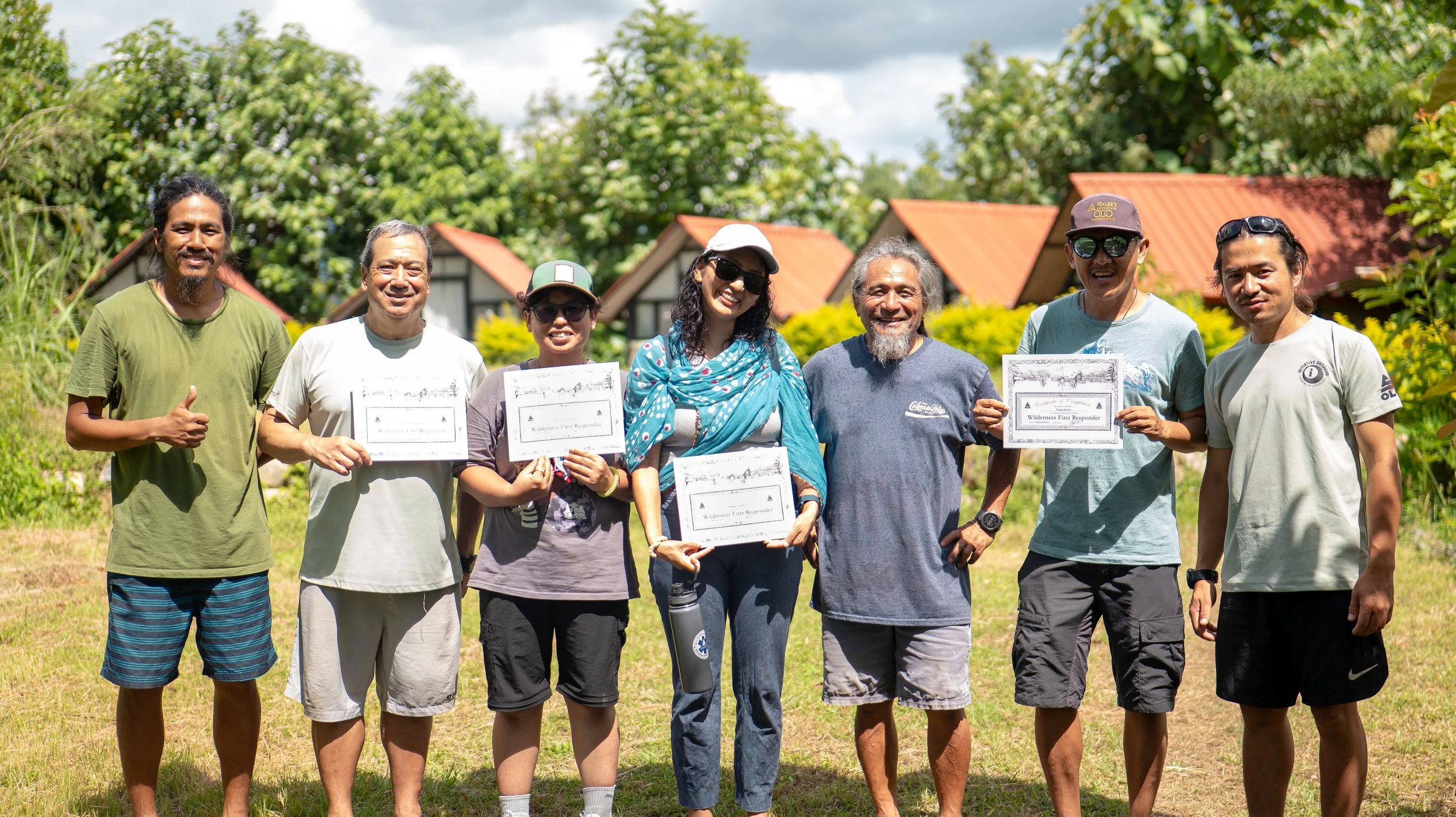
Participants of the training, including CCN Director Kesang Yudron and Staff Member Igroom Lama

Photo Credit: Conscious Connections Foundation Nepal

The Takeaway

Wilderness First Responder training taught us that being prepared isn’t about expecting emergencies—it’s about being ready to respond effectively when the unexpected happens. In remote areas where we work and live, this preparation isn’t just valuable; it’s essential.

Whether you’re planning outdoor adventures, working in isolated areas, or simply want to be a more prepared community member, wilderness medicine training offers skills that could one day save a life—perhaps your own, perhaps someone you love.

When every second counts and help is far away, knowledge becomes the most powerful tool you can carry.