healthcare

Reaching Students in Nalang through Project Bimba

Written by Project Bimba representatives

Project Bimba received support from CCN and CCF through the Leo Club of Kathmandu Sarubi, a youth-led organization committed to service and leadership. The club is associated with the International Association of Lions Clubs.

Project Bimba is the first-ever initiative of Leo Club of Kathmandu Sarubi focused on Menstrual Hygiene Management Program in which students are provided insightful and engaging sessions regarding menstrual hygiene, social stigma and taboos. Along with the insightful session, we distributed reusable sanitary kits to 134 school girls, 15 female teachers and 5 non-working female staff at Nalang Patle Secondary School, Nalang, Dhading. Nalang is a hilly rural village at Dhading district of Nepal where people live relying mostly on farming and with limited access to roads and other facilities.

On 3rd September, we organized one and half-hour classroom session where we provided insights on the topic that are often whispered, avoided, but always important. Menstruation, puberty, reproductive health are the topics that touch every life but rarely discussed openly in classrooms. We presented in smart board which helped in keeping things clear and engaging. We had prepared bilingual slides in English and Nepali. We covered everything from puberty and anatomy to PMS, cramps, blood clots, pregnancy, myths and taboos, and menopause. Along with that, we also did quiz activities related to the topic to make the session engaging. At first, the students were quiet with shy glances, nervous smiles, unsure if they should speak. But as the session unfolded, they began to open up. Even when the answers weren’t correct, students shared confidently and were highly encouraged by their teachers. Their courage was rewarded with stationery items. Students then started to open up with us and shared their knowledge.
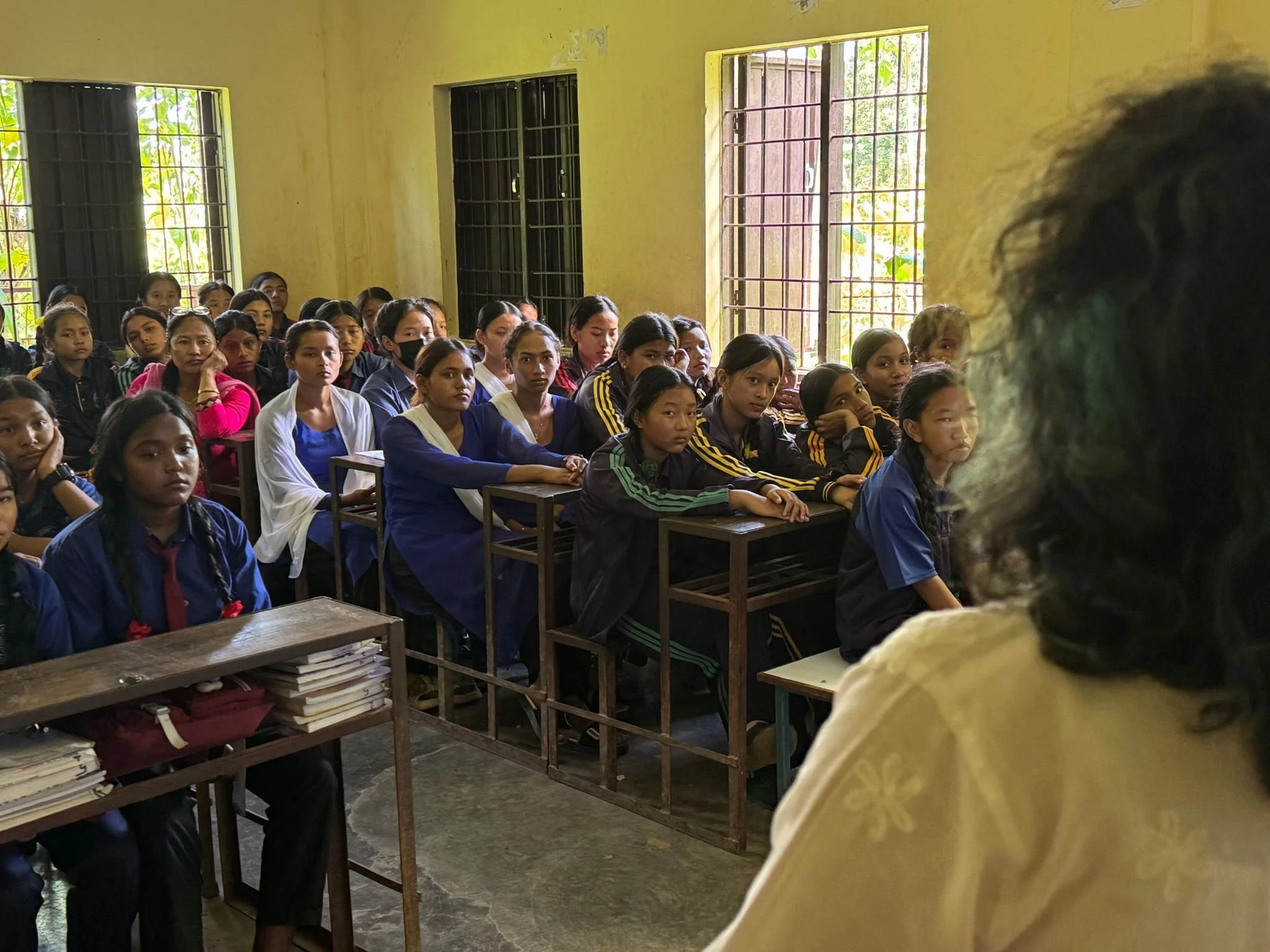
Students participate in training

Students participate in MHM training. Photo Credit: Project Bimba

Students admitted they had learned things they didn’t know before, and some even told us afterward that they wanted to share the information with their mothers and sisters at home. It was heartening to see stigma slowly replaced by openness. A girl from class 8 shared that she learned new things about topics like urinary tract infection (UTI) and the menstrual cycle. She said, “I never realized that this kind of discrimination is haunting us behind our back. I shall never promote this and will aware my parents about this as well. ” Another girl shared that once her family didn’t allow her to touch fruits on the table, but out of curiosity she touched them anyway and realized that nothing actually happens.
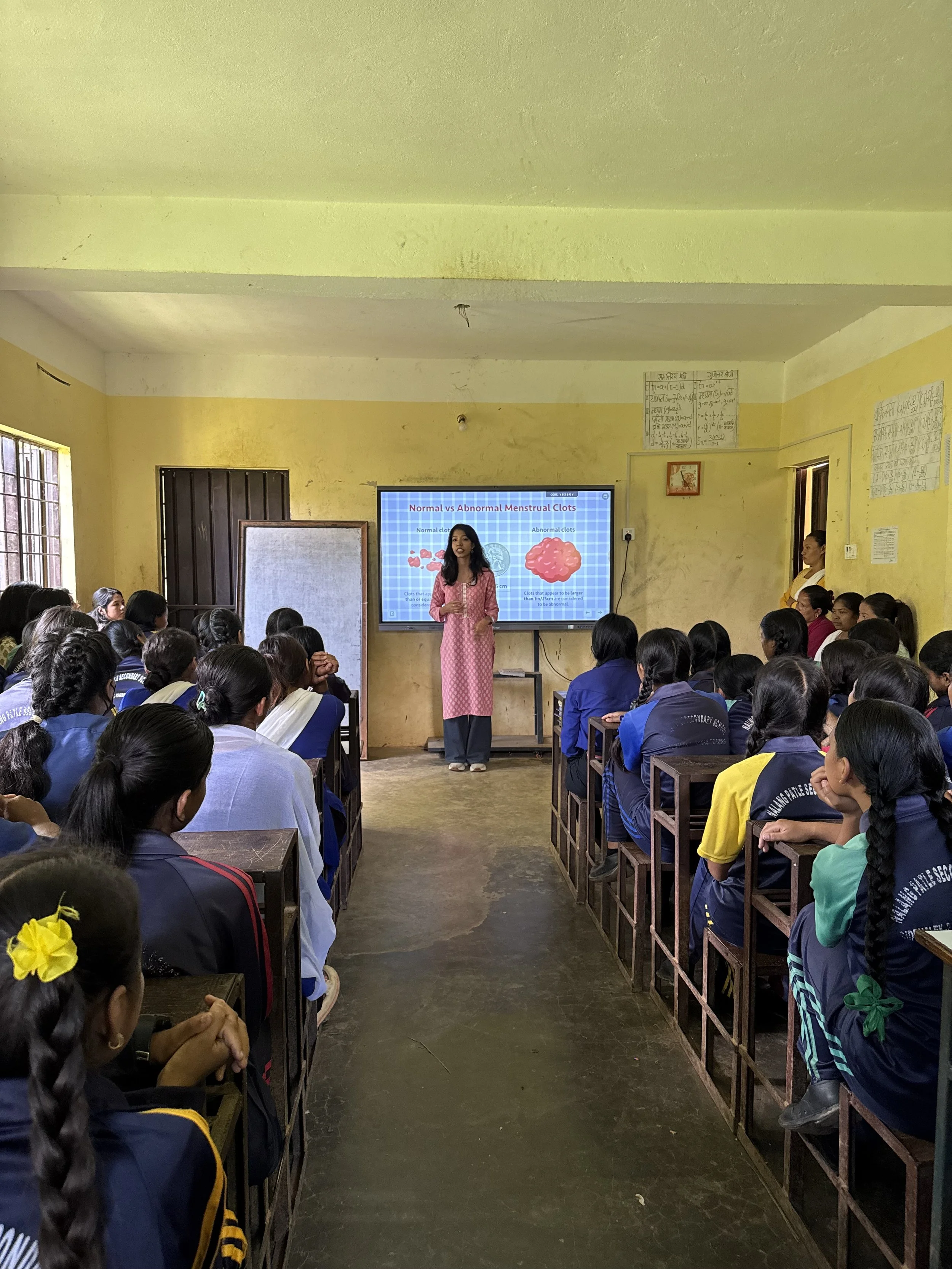
Instructor at front of class

Training session. Photo Credit: Project Bimba

The students enjoyed the session and didn’t even have a chance to feel bored. All the facilitators were very friendly and approachable. The participants suggested that the session should also be organized for adult women, as they felt the elder women still holds stigmas about menstruation. They believe this will help bring positive changes in their thinking patterns and reduce long-standing misconceptions.

After the session, we distributed the sanitary kits to them. The program ended with gratitude, special vote of thanks from one of the teachers, khadas offered by the Ward Chairperson, Principal, and Vice Principal. They expressed gratitude to the team for conducting such an informative and meaningful program. It reminded us why these programs are valued highly in society. We are thankful to Conscious Connection Nepal for their guidance, timely response and support throughout this project. We look forward in organizing Project Bimba II in upcoming days in such rural place.

Pad distribution with school leadership. Photo Credit: Project Bimba

Thank you for your ongoing support! Help us continue to support critical healthcare education in Nepal.
Give Today

When Every Second Counts: Life-Changing Wilderness First Responder Training in Nepal

A four-hour drive from Kathmandu would forever change how we think about emergency preparedness in remote areas.

Written By Kesang Yudron, Founder and Director of Conscious Connections Nepal

The winding mountain roads carried us away from the bustling streets of Kathmandu toward the serene hills of Bandipur, where our 10-day Wilderness First Responder (WFR) training awaited. Organized by Initiative Outdoor Nepal and offering SOLO (Stonehearth Open Learning Opportunities) certification, this intensive program would soon prove to be one of the most valuable experiences of our lives.

 Why Wilderness First Aid? A Question That Answered Itself

Initially, I questioned whether I really needed wilderness first aid training. That doubt quickly dissolved when I considered the reality of our work. Our programs take us deep into remote regions like Sankhuswabha in northeastern Nepal, where the nearest functioning hospital can be days away. We’ve encountered lightning storms and landslides that delayed our journeys between villages, leaving us completely cut off from medical assistance. In these moments, the question shifted from “Why do I need this?” to “How can I afford not to know this?”

 The sobering truth hit home: when you’re hours or days from professional medical help, you become the first—and possibly only—line of defense against medical emergencies.

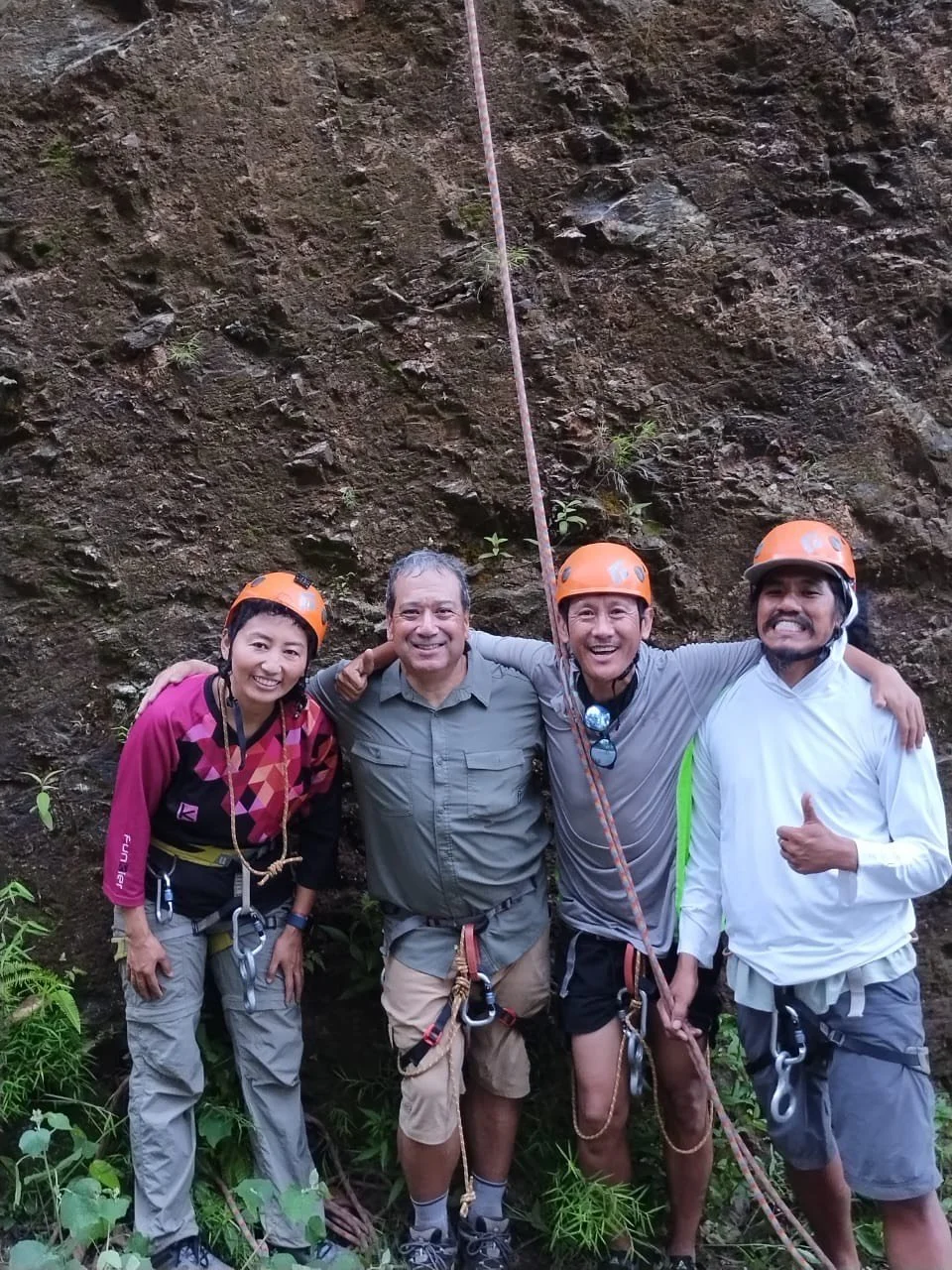
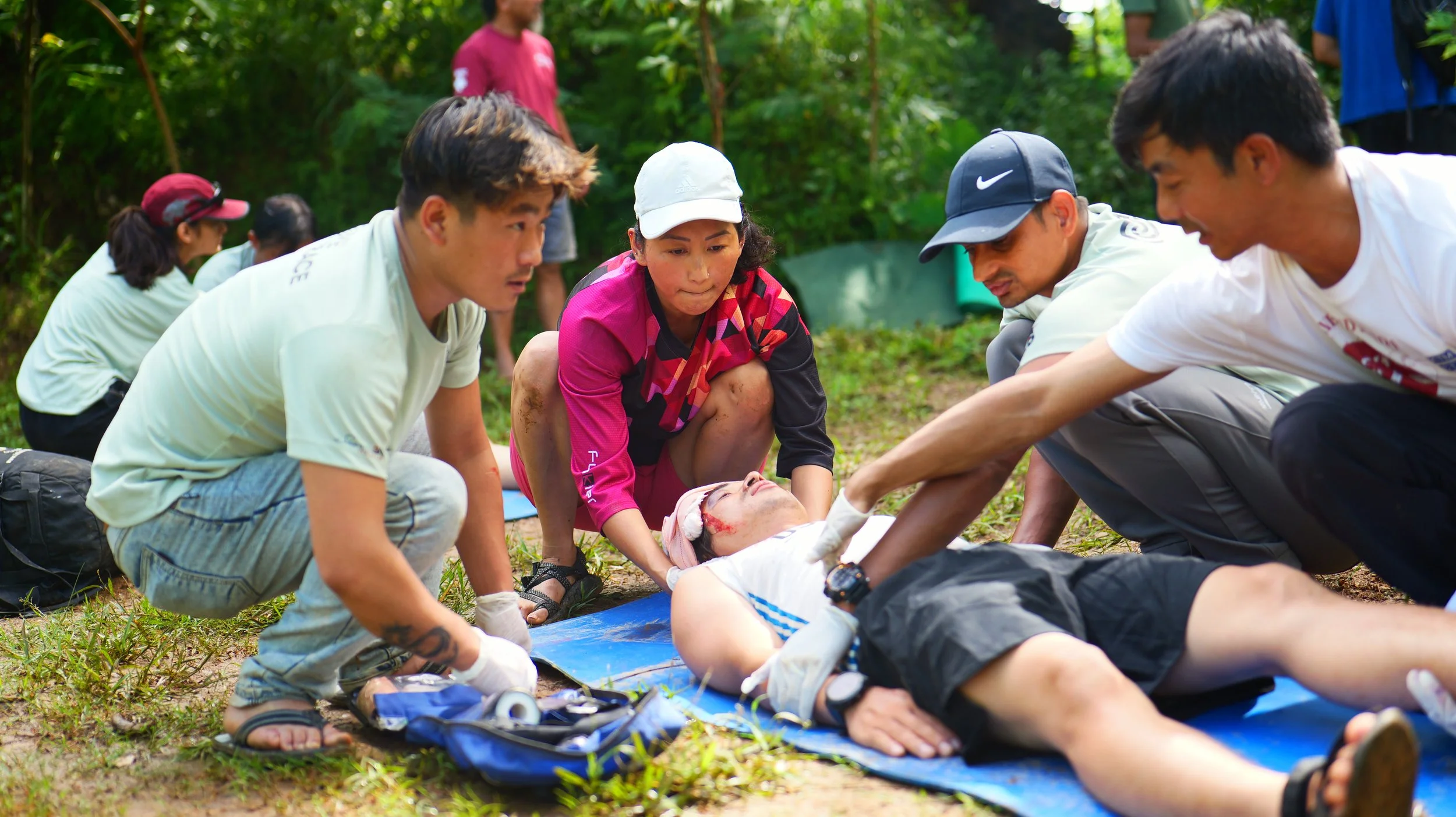
Training participants practice rescue techniques

Photo Credit: Conscious Connections Nepal

A Comprehensive Journey Through Wilderness Medicine

The SOLO Wilderness program unfolded as a meticulously structured 10-day immersion into pre-hospital medicine. From learning proper patient consent procedures to conducting thorough patient assessments, developing rescue plans, and understanding human anatomy, physiology, and pathophysiology, every element was designed to transform us into capable wilderness first responders.

Days 1-3: Foundation Building

The first three days focused on fundamental first aid training alongside 25 participants, many of whom were mountaineering guides from Nepal’s thriving tourism industry. Conducting the training in Nepali ensured that local guides could fully grasp these life-saving concepts and apply them with their clients.

Photo Credit: Conscious Connections Nepal

We tackled everyday ailments that can quickly become serious in remote settings: treating bruises and controlling bleeding, managing dehydration and food poisoning, addressing sprains and respiratory issues. Each lesson carried personal weight—I couldn’t help but think of my cycling accident from years past that resulted in a keloid scar. Had I possessed this knowledge then, I could have managed that injury far more effectively.

For Igroom, who had previous first aid experience, the course served as both a refresher and confidence booster. She found herself more assured in handling bleeding emergencies and performing CPR, skills that felt more natural after hands-on practice in realistic scenarios.

Beyond the Basics: Skills That Save Lives

What truly distinguished this program was its emphasis on improvisation and adaptation. Working with limited resources, we learned to create medical equipment from whatever was available—a crucial skill when your “medical kit” might consist of hiking gear and natural materials.

The practical emergency scenarios were intense and enlightening. Each simulation began with the critical safety assessment: Is it safe for me to enter this scene? We learned to don protective equipment systematically—gloves, masks, and any other barrier devices available—before approaching any patient.

The primary assessment protocol became second nature: Airways, Breathing, Circulation, Deformation, and Environment. This systematic approach helps identify immediate life threats in those crucial first minutes. The secondary assessment taught us to build a complete medical picture through vital sign monitoring, patient history gathering, and thorough documentation—skills that become invaluable when eventually transferring care to medical professionals.

The Art of Knots: Engineering Safety in the Wild

Photo Credit: Conscious Connections Nepal

One unexpected treasure trove of knowledge was learning various knots and loops: figure-eight knots, bowlines, clove hitches, and others. These weren’t just rope tricks—they became essential tools for creating improvised splints, building emergency shelters, and executing complex rescue operations. Discovering this “vault of knowledge” felt like unlocking a secret language of wilderness safety. We practises making the knots many times until it felt second nature.

Water Rescue: Confronting Our Deepest Fears

Perhaps the most memorable—and nerve-wracking—component was the water rescue training. Swimming in a mountain stream while learning to assist drowning victims tested both our physical capabilities and mental resolve. We practiced rescue breathing and CPR in realistic conditions, but the most crucial lesson echoed throughout: don’t become the second victim. This principle of self-preservation isn’t selfish—it’s strategic. A rescuer who becomes another casualty helps no one.

Real-World Impact: Beyond Personal Preparation

This training illuminated a broader truth about disaster preparedness. Consider Nepal’s devastating 2015 earthquake: hospitals were overwhelmed, roads were impassable, and communities were isolated for days or weeks. In such scenarios, widespread first aid knowledge among the general population could mean the difference between life and death for countless individuals.

The ripple effect of wilderness medicine training extends far beyond personal preparedness. Every person trained becomes a potential lifesaver in their community, workplace, and family. Mountain guides can better protect their clients, teachers can respond to student emergencies, and ordinary citizens can step up during natural disasters.

A Vision for the Future

We believe WFR training should be integrated into school curricula nationwide. The skills learned here aren’t just for wilderness enthusiasts—they’re life skills that serve everyone, everywhere. From urban emergencies where ambulances might be delayed to rural areas where medical facilities are distant, this knowledge remains relevant and potentially lifesaving.

Our gratitude extends to the Conscious Connections Foundation for providing this transformative opportunity. But our journey with wilderness medicine doesn’t end here. We’re committed to sharing this knowledge, training others in our communities, and building a network of capable first responders who understand that sometimes, when help is far away, we must be prepared to be the help others need.

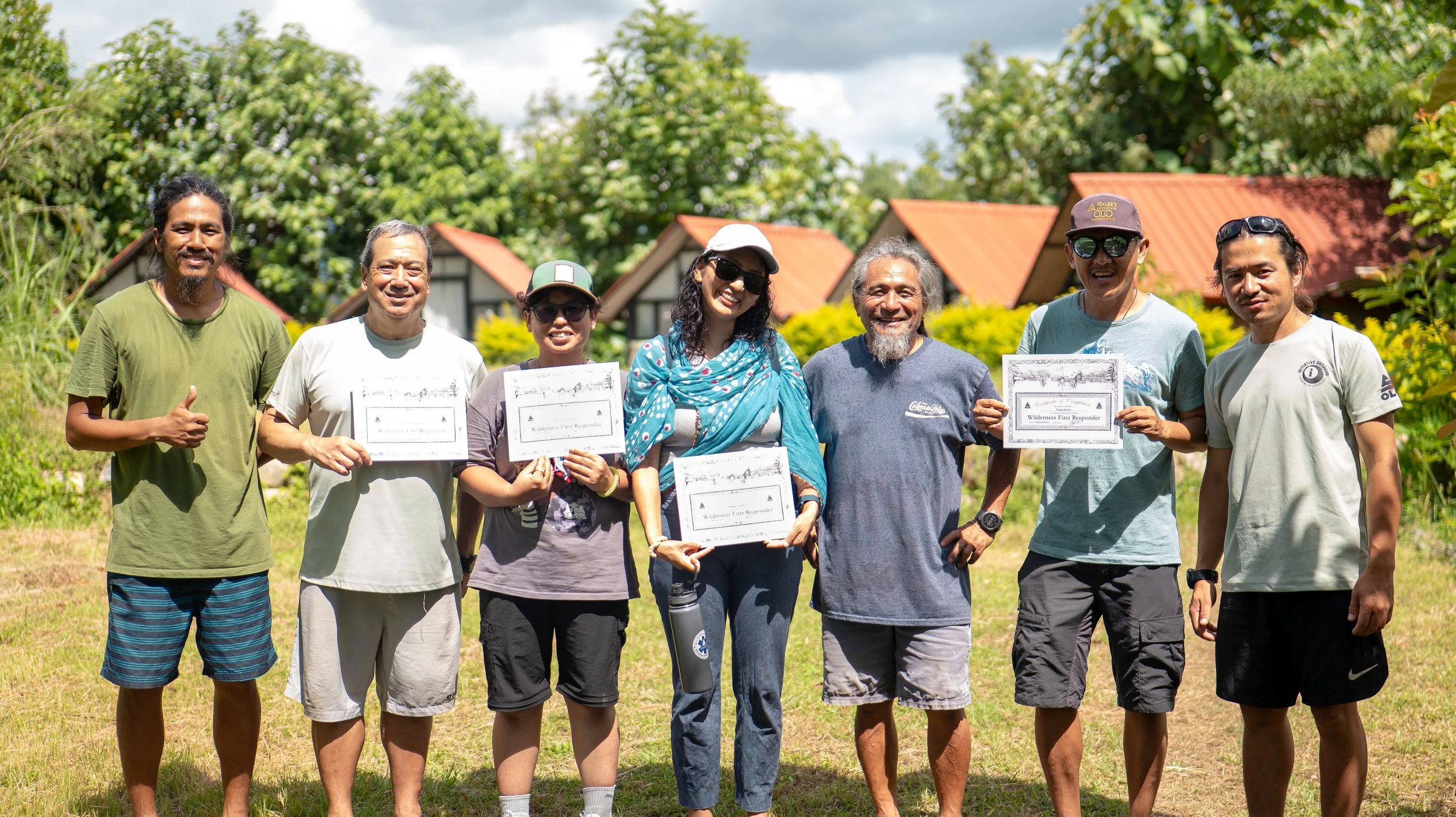
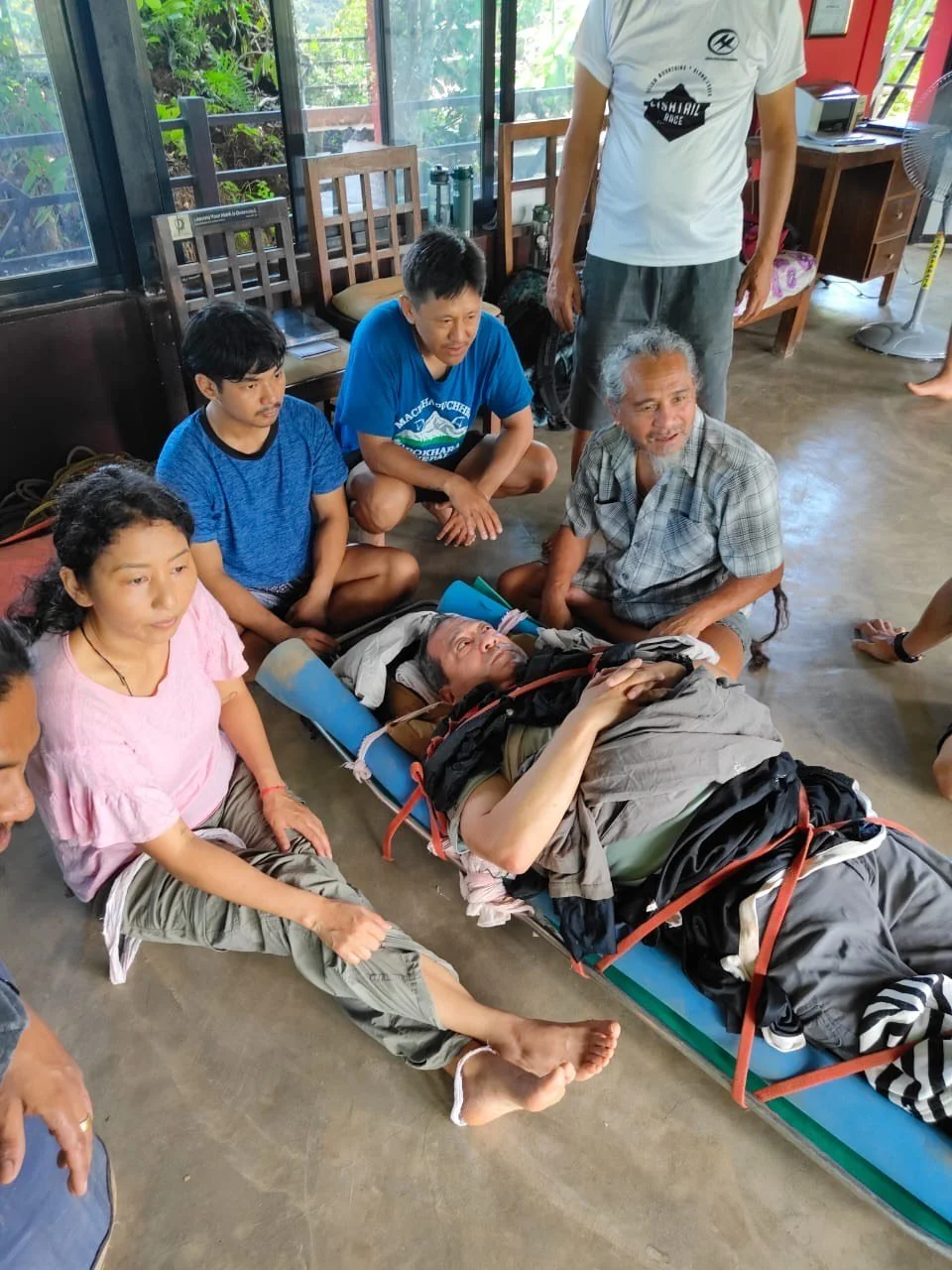
Participants of the training, including CCN Director Kesang Yudron and Staff Member Igroom Lama

Photo Credit: Conscious Connections Foundation Nepal

The Takeaway

Wilderness First Responder training taught us that being prepared isn’t about expecting emergencies—it’s about being ready to respond effectively when the unexpected happens. In remote areas where we work and live, this preparation isn’t just valuable; it’s essential.

Whether you’re planning outdoor adventures, working in isolated areas, or simply want to be a more prepared community member, wilderness medicine training offers skills that could one day save a life—perhaps your own, perhaps someone you love.

When every second counts and help is far away, knowledge becomes the most powerful tool you can carry.

CCF's 2018 Annual Report released!

reports_annualreport2018.jpg

CCF’s 2018 Annual Report is finished and ready for reading! We’ve had fun putting this together and looking back on how much CCF and our partners in Nepal accomplished in 2018. Please read! We hope you enjoy reading it as much as we enjoyed facilitating the work. Thank you for all of your support.

Sincerely,

The Board of Conscious Connections Foundation

Denise Attwood, Cameron Conner, Austin Zimmerman, Ric Conner, Martha Newell, Kim Maynard, Colleen Cahill and Saskia Peck