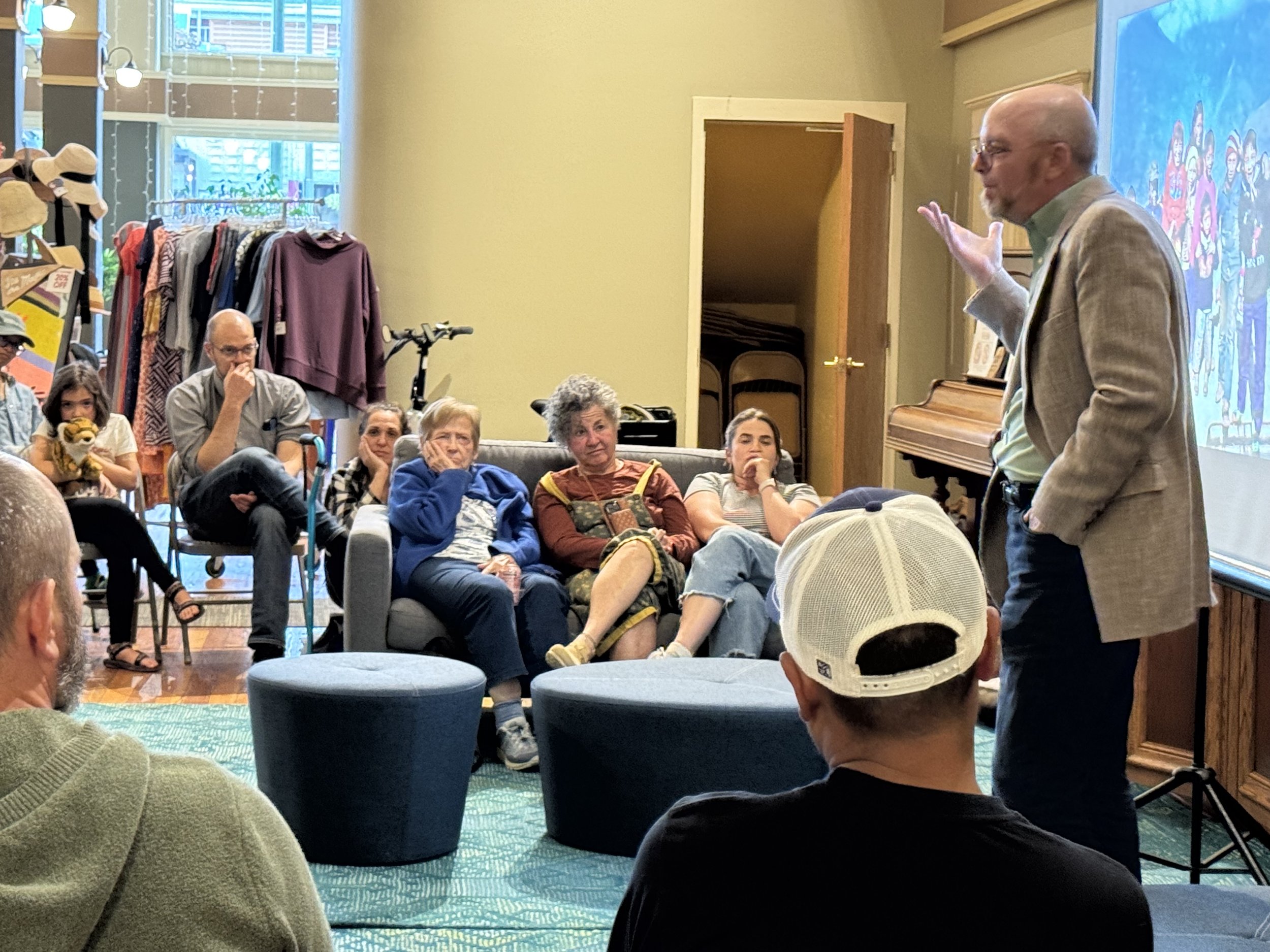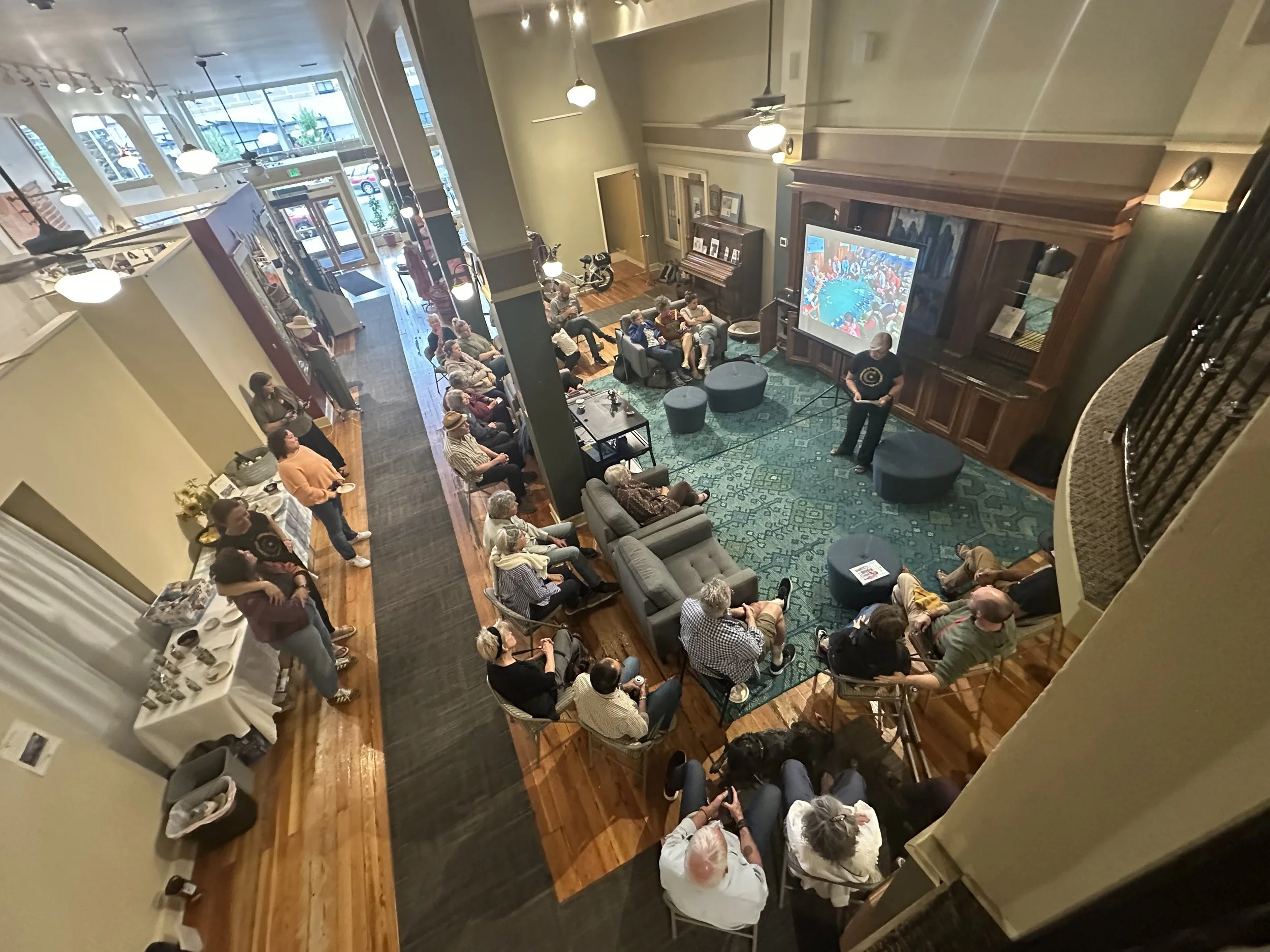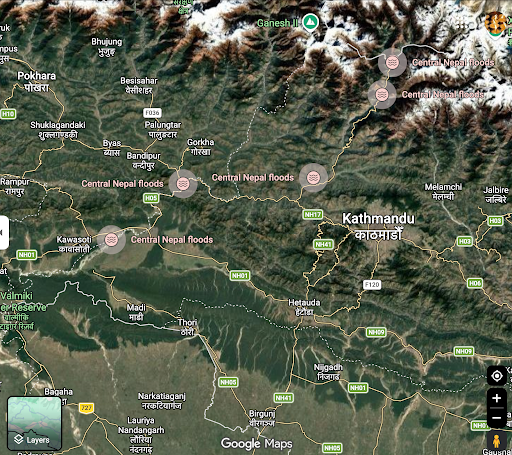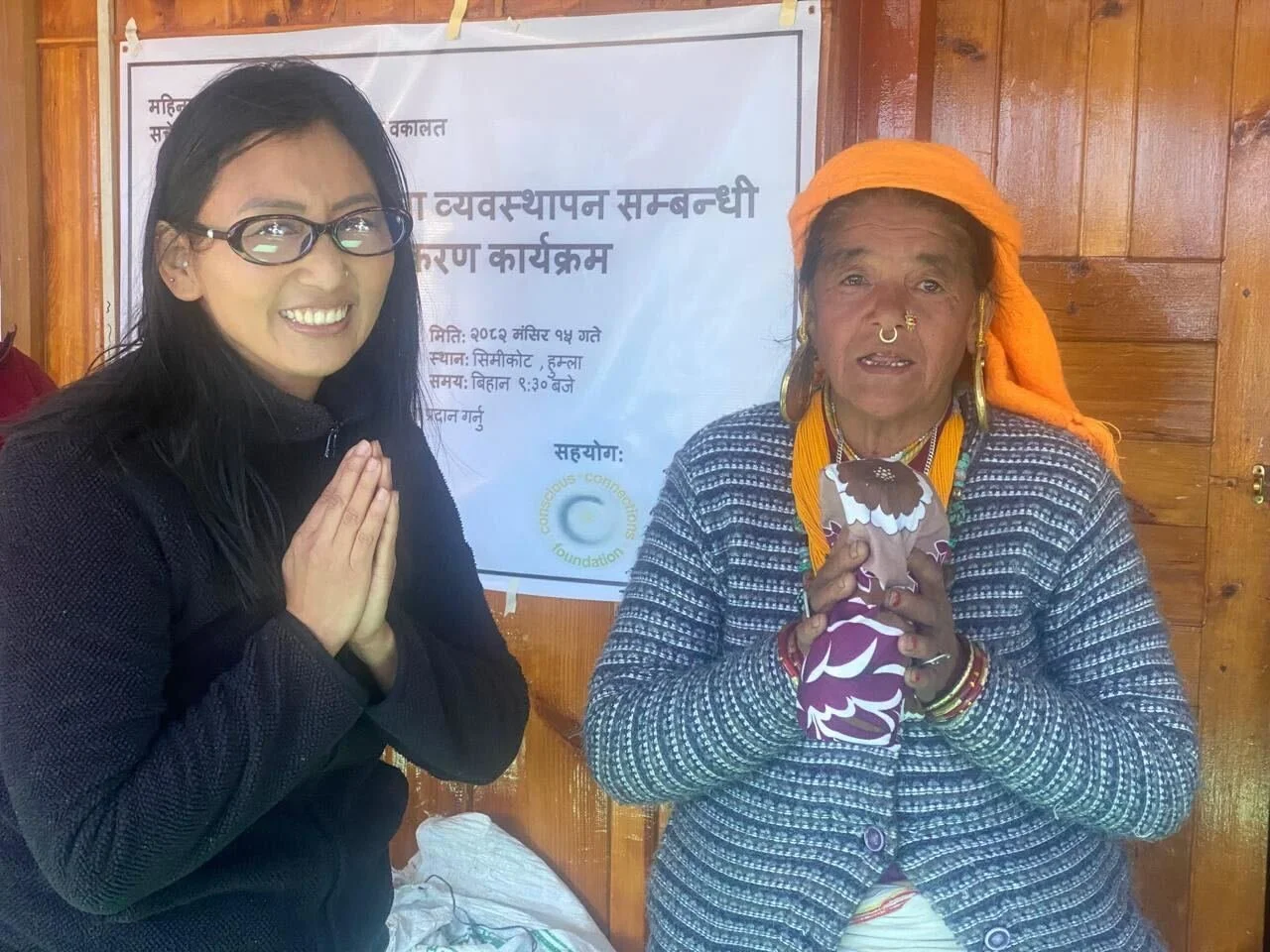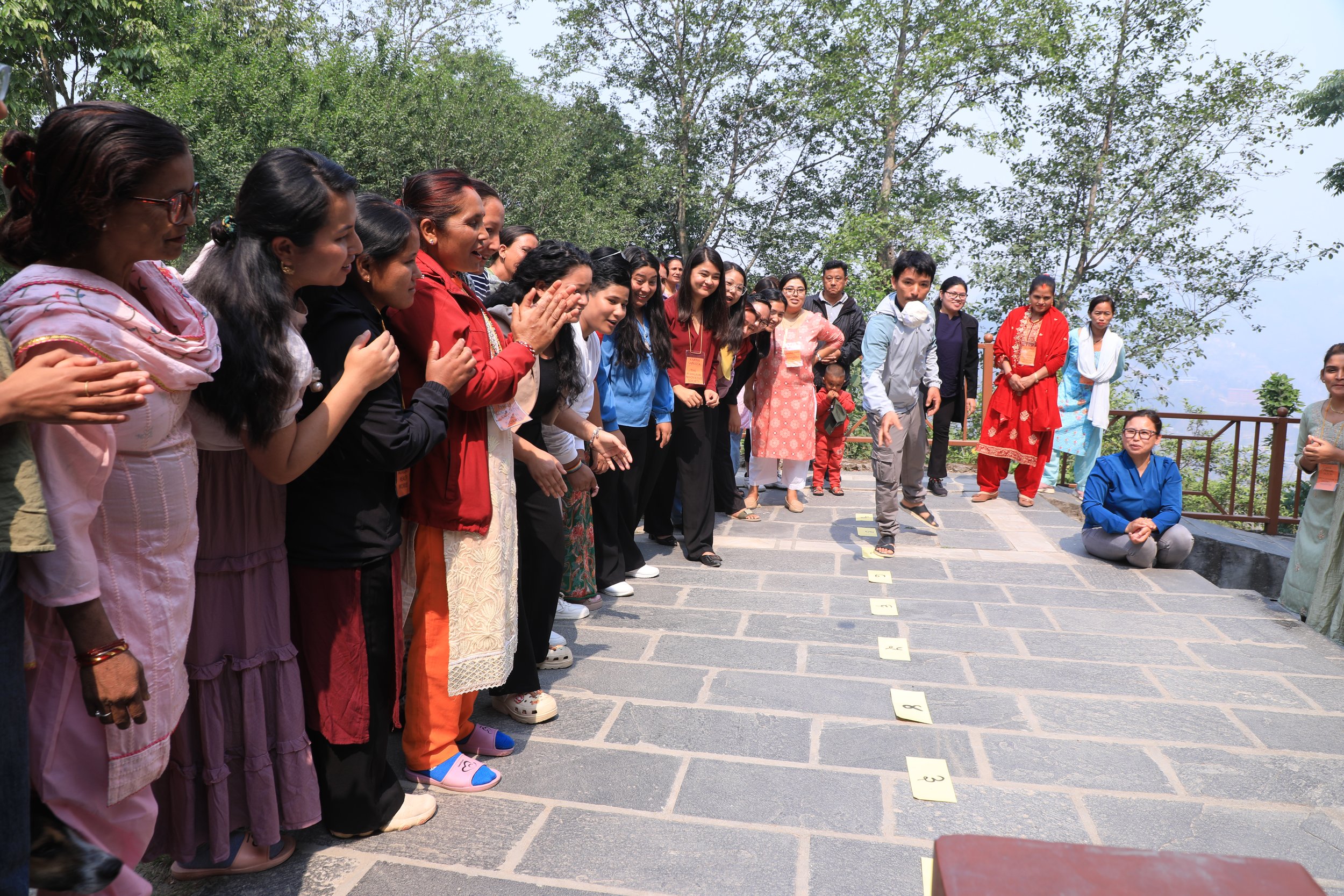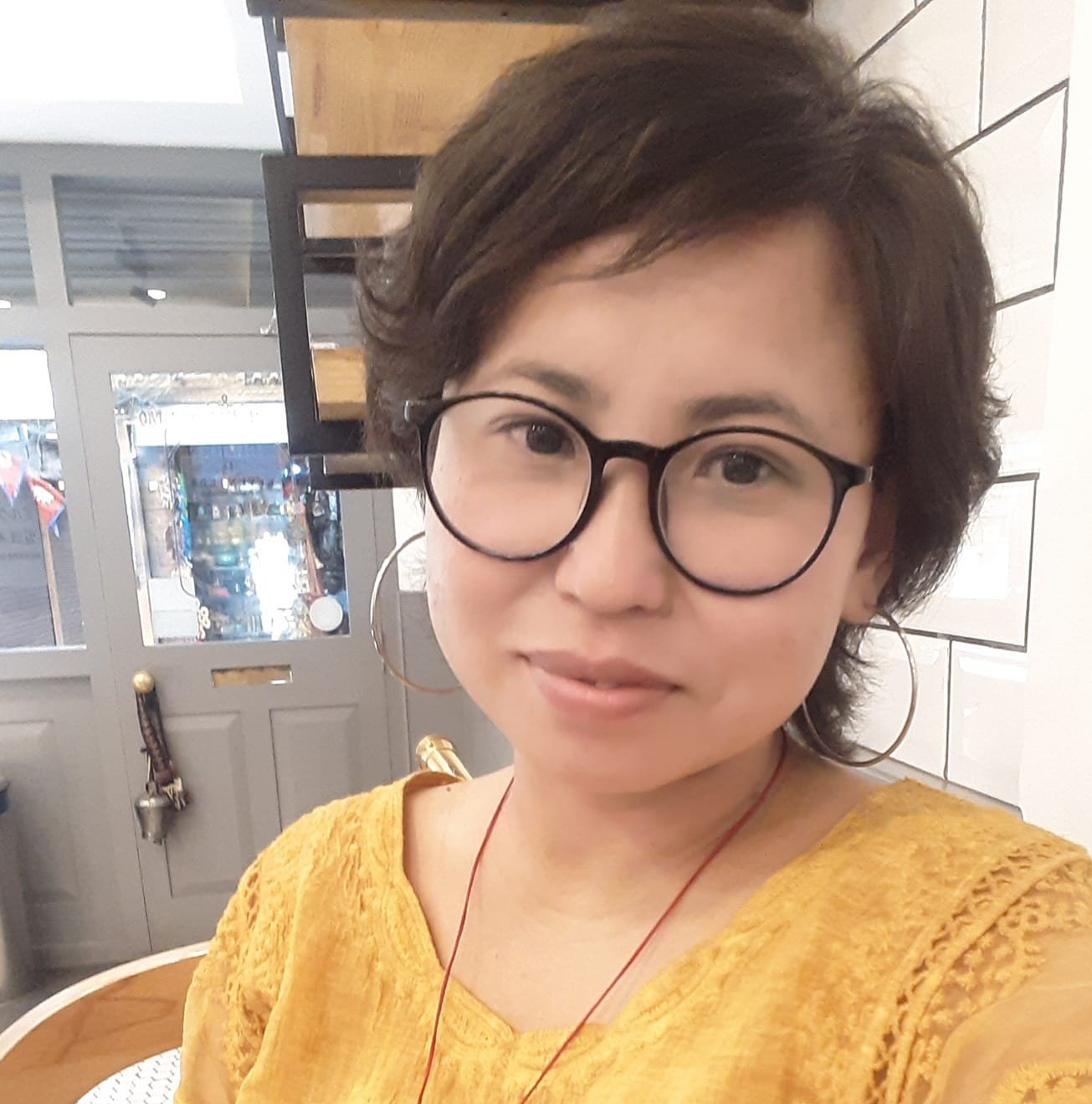
Stories of Resilience, Part 4: Because of Renu Didi, I Am Alive Today

From October 10 to November 2, 2025, Conscious Connections Nepal (CCN), with support from the Conscious Connections Foundation (CCF) and in partnership with Giving Face, organized a 10-day makeup training in Kalaiya Municipality, Bara District for transgender women and LGBTQI+ individuals, including those living with HIV. Please read our first post about the training here. Interviews were conducted during the training, and five stories were developed to document stories of resilience, discrimination, and hope. This is story #4, the story of Renu Manandhar.

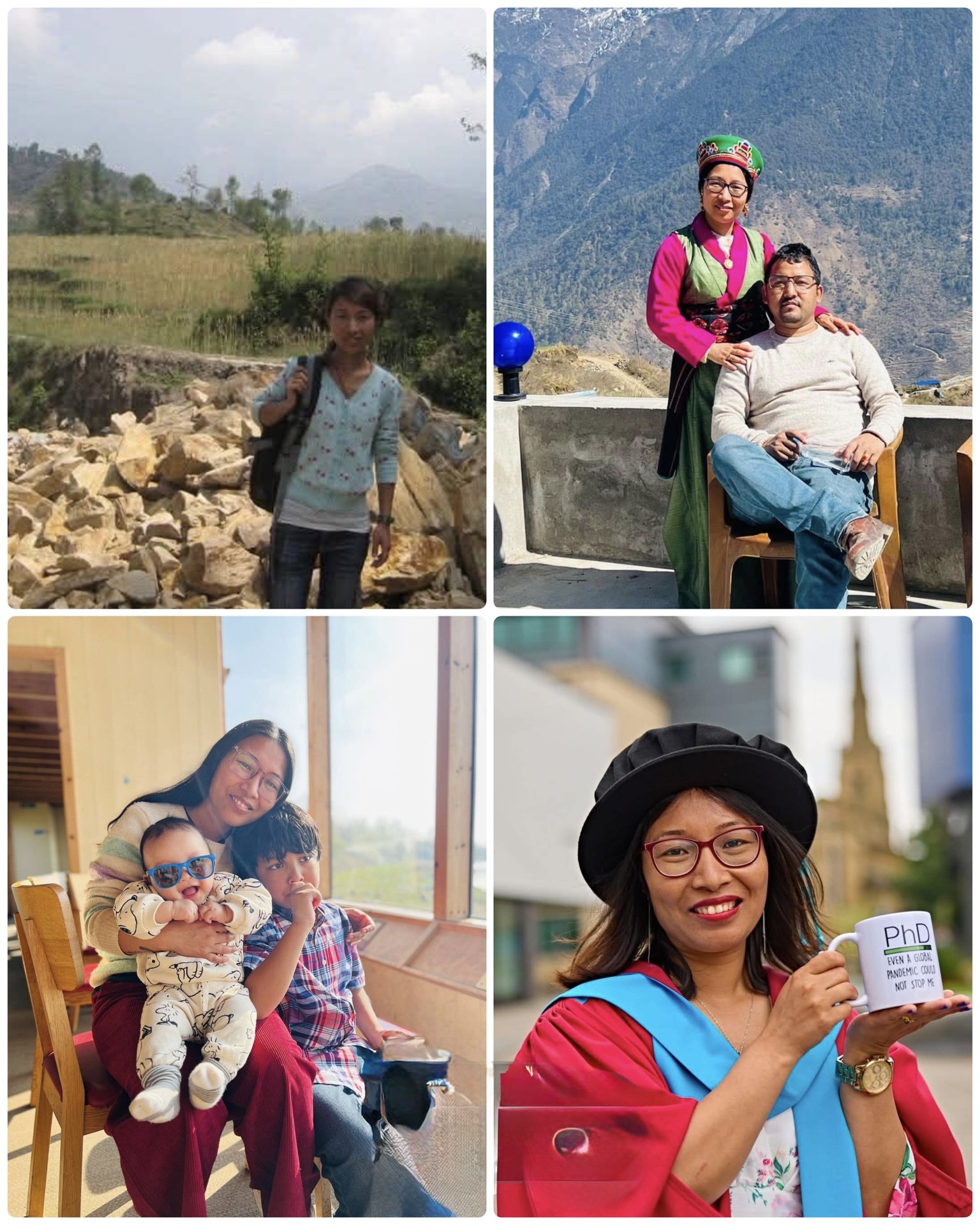
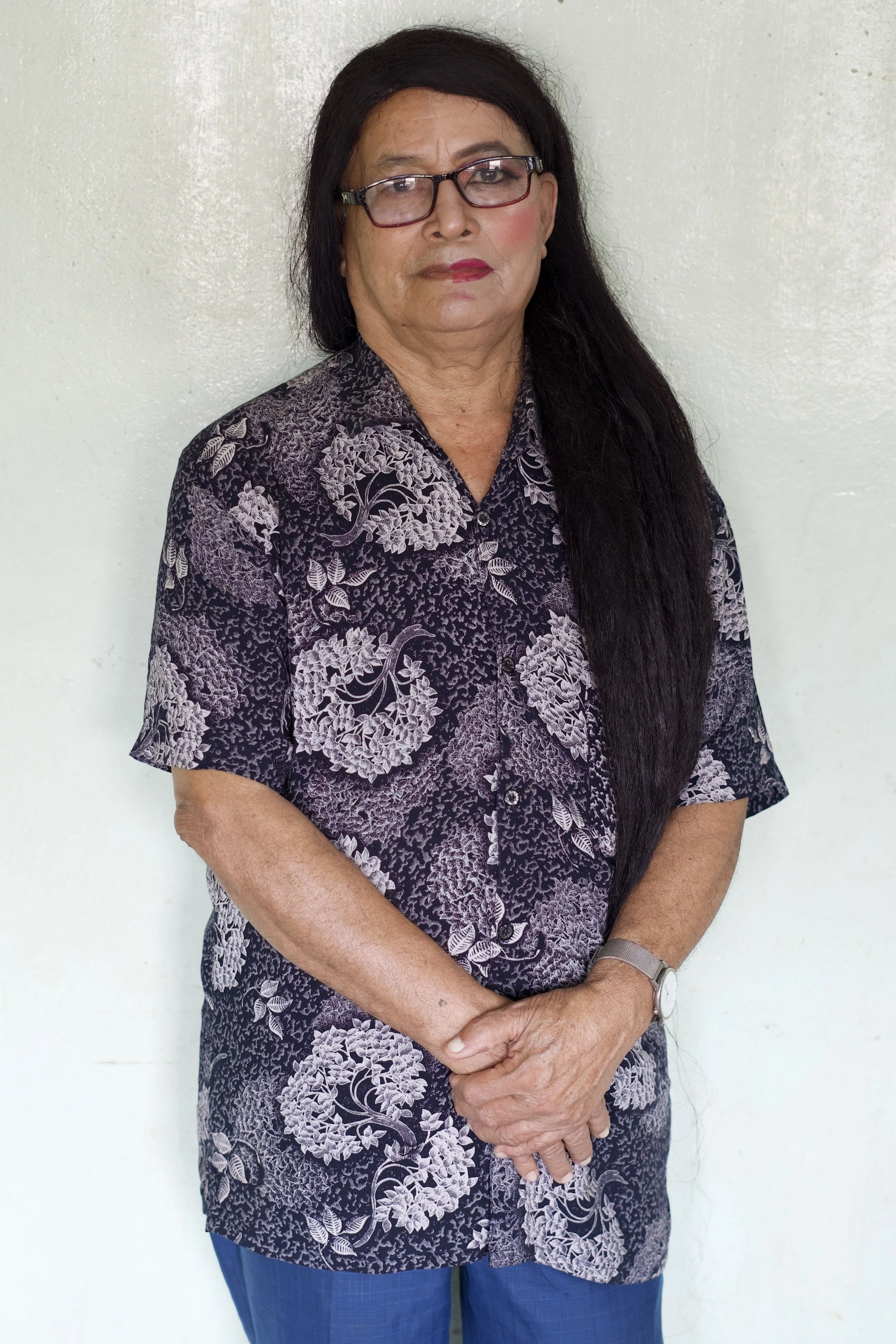
Because of Renu Didi, I Am Alive Today

My Story, by Renu Manandhar

My name is Renu Manandhar. I’m 52 years old, from Birgunj. For five years, I’ve been working with the Blue Diamond Society, serving people living with HIV across Madhesh Province.

Most of my days are spent on the move — visiting homes, delivering antiretroviral (ARV) medicines, or counseling those too afraid to speak. The stigma here runs deep. Many people hide their condition, even from their families.

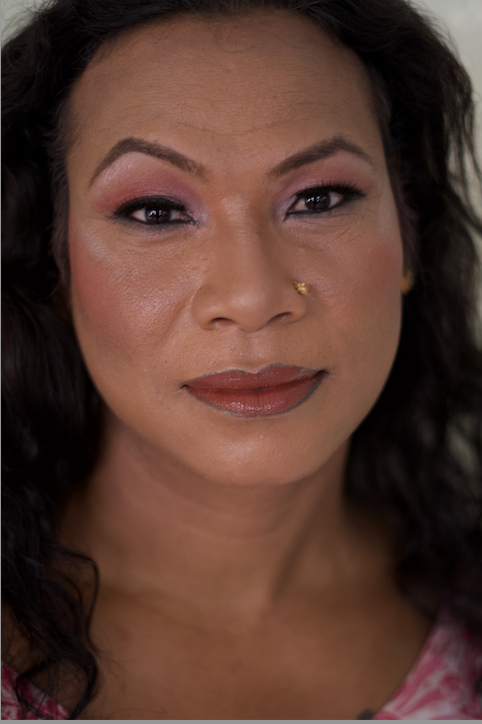
Photo Credit: Rohan Thapa, photographer

I know how heavy that silence can feel. My husband was once HIV positive and a drug user. He got infected through shared syringes. Back then, I didn’t understand what HIV meant — only that it changed everything. But I stayed. I helped him recover. I took my medication regularly.

Eighteen years later, we are still here — alive, stable, and hopeful. My husband drives an auto-rickshaw now. We’ve built a small, happy life from the pieces of what once felt broken.

When the USAID project ended, many things became harder — especially the shortage of condoms. Before, we used to distribute around 5,000 condoms every week in Kalaiya. Now the supply is limited, and the risk of transmission has increased. Still, we do what we can.

People in Bara and Parsa often call me Renu Didi. They say, “Because of Renu Didi, I am alive today.” Every time I hear those words, I remind myself why I began this journey — to turn pain into purpose.

Through my work, I’ve learned that healing is not just about medicine; it’s about compassion, dignity, and never giving up on people — no matter how broken they feel.

Stories of Resilience, Part 3: We Come and Go in Respect

From October 10 to November 2, 2025, Conscious Connections Nepal (CCN), with support from the Conscious Connections Foundation (CCF) and in partnership with Giving Face, organized a 10-day makeup training in Kalaiya Municipality, Bara District for transgender women and LGBTQI+ individuals, including those living with HIV. Please read our first post about the training here. Interviews were conducted during the training, and five stories were developed to document stories of resilience, discrimination, and hope. This is story #3, the story of Punam Kumari Kayastha

We Come and Go in Respect

My Story, by Punam Kumari Kayastha

My name is Punam Kumari Kayastha. I’m 40 years old and live in Kalaiya with my daughter, who is preparing for her SEE exams. When people ask me what I do, I tell them: I help others live — because that’s what saved me.

I work with the Blue Diamond Society as a field officer, helping people living with HIV. Since 2014, I’ve identified more than 350 HIV cases in Bara District — men, women, transgender people, even children.

But this is more than a job for me. It’s personal.

Photo Credit: Rohan Thapa, photographer

Years ago, I was married, expecting twins. My husband never told me he was HIV positive. When I miscarried, the doctors discovered I was also infected. My husband later died from meningitis. His family blamed me, threw me out of their home. I was left with nothing.

For a long time, I cried every night. But then, something inside me shifted. I thought — if I’ve suffered this much, maybe I can stop others from suffering the same.

Today, I help people start medication, make follow-ups, and remind them they are not alone. I go door to door, visit health posts, and work closely with municipalities. Some days are exhausting, but when a client tells me, “Because of you, I’m alive,”I know I’ve done something right.

Funding cuts after the USAID project ended made our work harder. But we continue — because this community can’t be abandoned.

I often say, “Ezzat le jane ho, ezzat le aune ho” — we come and go in respect. That’s my philosophy. I lost my home once, but I built a new one in the hearts of the people I serve.

Stories of Resilience, Part 2: Between Identity and Responsibility

From October 10 to November 2, 2025, Conscious Connections Nepal (CCN), with support from the Conscious Connections Foundation (CCF) and in partnership with Giving Face, organized a 10-day makeup training in Kalaiya Municipality, Bara District for transgender women and LGBTQI+ individuals, including those living with HIV. Please read our first post about the training here. Interviews were conducted during the training, and five stories were developed to document stories of resilience, discrimination, and hope. This is story #2, the story of Selina Chaudhary.

Between Identity and Responsibility

My Story, by Selina Chaudhary

My name is Selina Chaudhary. I’m 29 years old, from Dhangadhi — though my life now is in Kalaiya. I live between two worlds: one where I am my true self, and another where I’m a husband and father, playing a role I never fully chose.

I realized I was different when I was a child, but I couldn’t name what that difference was. I grew up quiet, careful, and afraid of disappointing my parents. Later, I fell in love with a girl. We married. I told myself this was what life was supposed to be —family, stability, normalcy.

Four days before the wedding, I tried to explain to her that I was “different.” I didn’t yet have the word “transgender,” but I tried. She was confused, but she said she wouldn’t leave me. That promise tied us together.

Photo Credit: Rohan Thapa, photographer

Today, we have a beautiful four-year-old child. My wife and child live in Dhangadhi. I live here in Kalaiya, dancing and doing makeup to earn money for them. The money I send home feeds them. But the truth I hide from them feeds my guilt.

I am also living with an STD. I once tested my wife’s blood — it was normal. But I worry every day that I might have put her at risk. I want to tell her, but the words never come. She sometimes asks if I’m “different.”  I deny it, smiling, but inside I ache.

If I had known about the transgender community earlier, I would have chosen to live openly as myself — maybe even started hormone therapy. Instead, I learned late, after years of silence.

Still, I try to stay hopeful. I dream of saving enough to build a small house for my family. I tell myself that once I’ve done that, maybe I can finally live as me.

My story is not about shame — it’s about searching. Searching for self, for peace, and for the courage to live the truth that’s always been waiting inside me.

Stories of Resilience, Part 1: Dancing through the Struggles

From October 10 to November 2, 2025, Conscious Connections Nepal (CCN), with support from the Conscious Connections Foundation (CCF) and in partnership with Giving Face, organized a 10-day makeup training in Kalaiya Municipality, Bara District for transgender women and LGBTQI+ individuals, including those living with HIV. Please read our blog post about the training here. Interviews were conducted during the training, and five stories were developed to document stories of resilience, discrimination, and hope. Stories will be posted regularly. This is story #1, the story of Suman Chaudhary.

Dancing through the Struggles

My Journey, by Suman Chaudhary

My name is Suman Chaudhary — though that’s not the name I was born with. It’s the name I chose for myself, the name that feels true. I grew up in Dhangadhi, far from Kalaiya, nearly a 14-hour journey away. The distance between those two places feels like the distance between who I was told to be and who I became.

I never finished school. I left before Grade 10, chasing something I didn’t yet have the words for — freedom. When I first met other transgender women who danced at weddings and festivals, I felt seen for the first time. So, I packed a small bag, left home, and followed that rhythm all the way to Kalaiya.

Photo Credit: Rohan Thapa, photographer

Life here wasn’t easy. We danced at ceremonies, earning just enough for food and rent. Some nights, hunger and loneliness were heavier than any music. And like many of us, I found myself pushed into sex work — not out of choice, but survival.

One night changed everything. I had met a man at a dance — an army officer. We talked, he smiled, and I trusted him. Later, I woke up disoriented, bruised, my clothes gone. I don’t remember what happened, but I remember the silence afterward. No one told me I could go to a hospital. I didn’t know I had the right to.

Fourteen years have passed since that night. Today, I live with HIV. I take my medication regularly and still dance to earn a living. Sometimes Rs. 200, sometimes Rs. 500 — enough to survive, not to rest. Yet, I smile. Because smiling is something the world can’t take away from me.

For a few years, I worked with the Blue Diamond Society in Dhangadhi, helping others learn about HIV prevention and their rights. When the USAID project funding ended, I lost that job, but not my purpose. The work gave me strength — to speak, to help, to dream.

I live with my partner now, and even though life remains uncertain, I’ve learned to find peace in small victories: waking up healthy, sharing laughter, doing makeup for my friends, and dancing for joy, not survival.

Every day I tell myself — I may have been broken once, but I am still here, still moving, still dancing through struggles.

Creating a Safe Space for Beauty and Dignity: Makeup Training in Kalaiya

Written by Kesang Yudron, Founder and Director of Conscious Connections Nepal

From October 10 to November 2, 2025, Conscious Connections Nepal (CCN), with support from the Conscious Connections Foundation (CCF) and in partnership with Giving Face, organized a transformative makeup training in Kalaiya Municipality, Bara District. Designed for transgender women and LGBTQI+ individuals—including those living with HIV and other STDs—the program offered far more than technical skills by creating a critical space for dignity, confidence, and community. 

Bara District, located in Madhesh Province, continues to face deep-rooted gender inequality, poverty, and social stigma towards LGBTQI+ individuals. In this context, transgender and sexual minority individuals face multiple barriers, including discrimination and limited access to education, employment, and healthcare.

This training aimed to empower participants through vocational skills that promote both economic independence and social dignity.

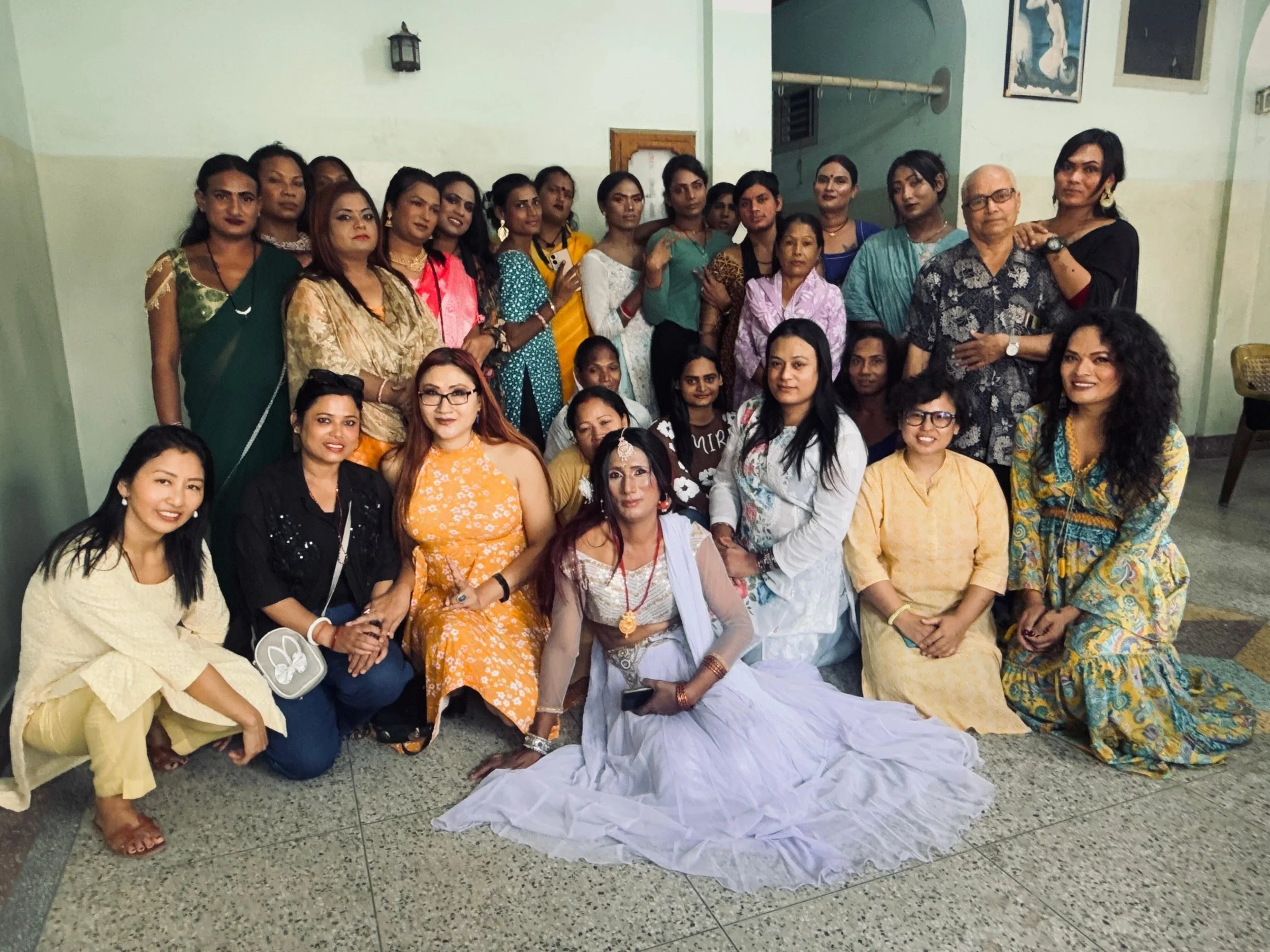
Training participants and CCN staff. Photo Credit: Rohan Thapa, photographer

Building Confidence through Skills Training

The 10-day training program brought together 40 participants, providing them with practical knowledge of makeup artistry, client interaction, and hygiene. Led by a professional trainer, the sessions emphasized confidence-building, self-expression, and teamwork. Beyond technical learning, the training created a safe and inclusive environment where participants could openly express themselves and gain a sense of belonging.

Highlights include:

  • 40 transgender and LGBTQI+ participants successfully completed the training.

  • Inclusive participation of HIV-positive individuals and members of marginalized communities.

  • Ethical photo documentation conducted with informed consent.

  • Makeup products distributed among participants and the Blue Diamond Society for continued use and skill practice.

  • Five personal blogs generated from participant interviews for awareness and advocacy.

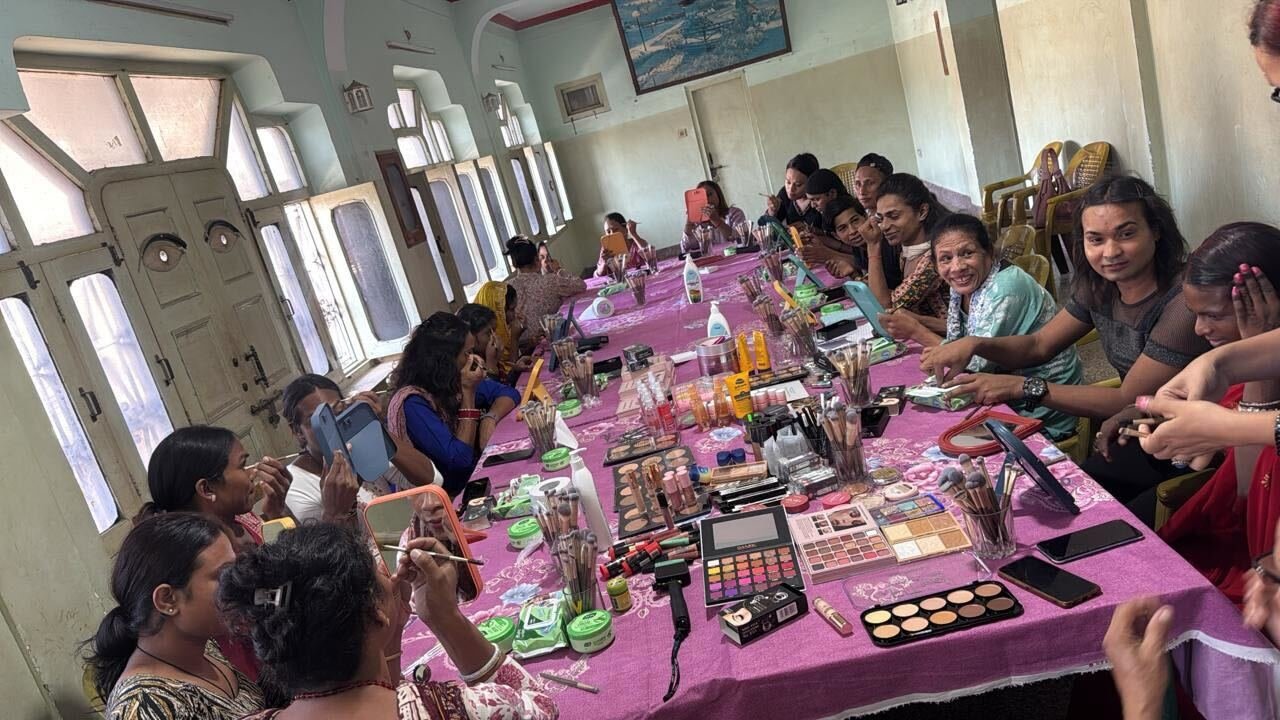
Practicing makeup techniques. Photo Credit: Rohan Thapa, photographer

Stories of Strength and Self-Reflection

During the course of the training, CCN conducted personal interviews with selected participants to understand their lived experiences and aspirations. From these interviews, five blogs were developed to document and share stories of resilience, discrimination, and hope to raise awareness and visibility.

Photo Credit: Rohan Thapa, photographer

Interviews revealed that most participants had faced economic vulnerability, family rejection, and social exclusion. Many engaged in informal or unsafe work, such as dancing or sex work, to survive. Through the training, participants discovered not just a new skill but also a renewed sense of self-worth, creativity, and hope. Several participants shared deeply moving stories of survival, discrimination, and courage highlighting the urgent need for safe spaces and sustainable livelihood opportunitiesfor transgender individuals in Nepal’s rural and semi-urban areas.

The participants also expressed strong hopes for the future, including:

  • To gain income-generating jobs in beauty sector or start small beauty businesses.

  • To be accepted and respected by society as professionals.

  • To move away from sex work and unsafe labor toward stable and dignified employment.

  • To earn enough income to support their families and live independently.

Hopes, Dreams, and the Road Ahead

Photo Credit: Rohan Thapa, photographer

The Makeup Training in Kalaiya was not just a skill-building event, it was a transformative experience for many individuals. It enhanced confidence, promoted inclusion, and inspired participants to envision better futures. For both the team and the participants, it opened a new space to express individuality and reclaim dignity. The training became a powerful medium to enhance the inner beauty, confidence, and self-worth of participants, while also giving them a tangible skill to earn a living and support their families.

Listening to their stories was deeply emotional; many came from environments marked by poverty, stigma, and neglect. Yet, amidst these challenges, we witnessed immense resilience and potential. We have encouraged every participant to carry forward what they learned to turn makeup into not just a profession, but a path toward independence and self-respect. Ultimately, their future depends on their trust, dedication, and hard work, and we believe that with the right support, they can rise beyond the boundaries imposed by society and build the lives they dream of.

Sharing Their Stories

Over the course of the next few weeks, we will be sharing five personal stories of several participants - narratives of resilience, identity, discrimination, courage, and hope. These stories highlight both the challenges transgender individuals face in Nepal and the remarkable strength they carry forward.

Training participants share a message. Credit: Rohan Thapa, photographer

Thank you for your continued support of our work in Nepal.

Give Today

Reaching Students in Nalang through Project Bimba

Written by Project Bimba representatives

Project Bimba received support from CCN and CCF through the Leo Club of Kathmandu Sarubi, a youth-led organization committed to service and leadership. The club is associated with the International Association of Lions Clubs.

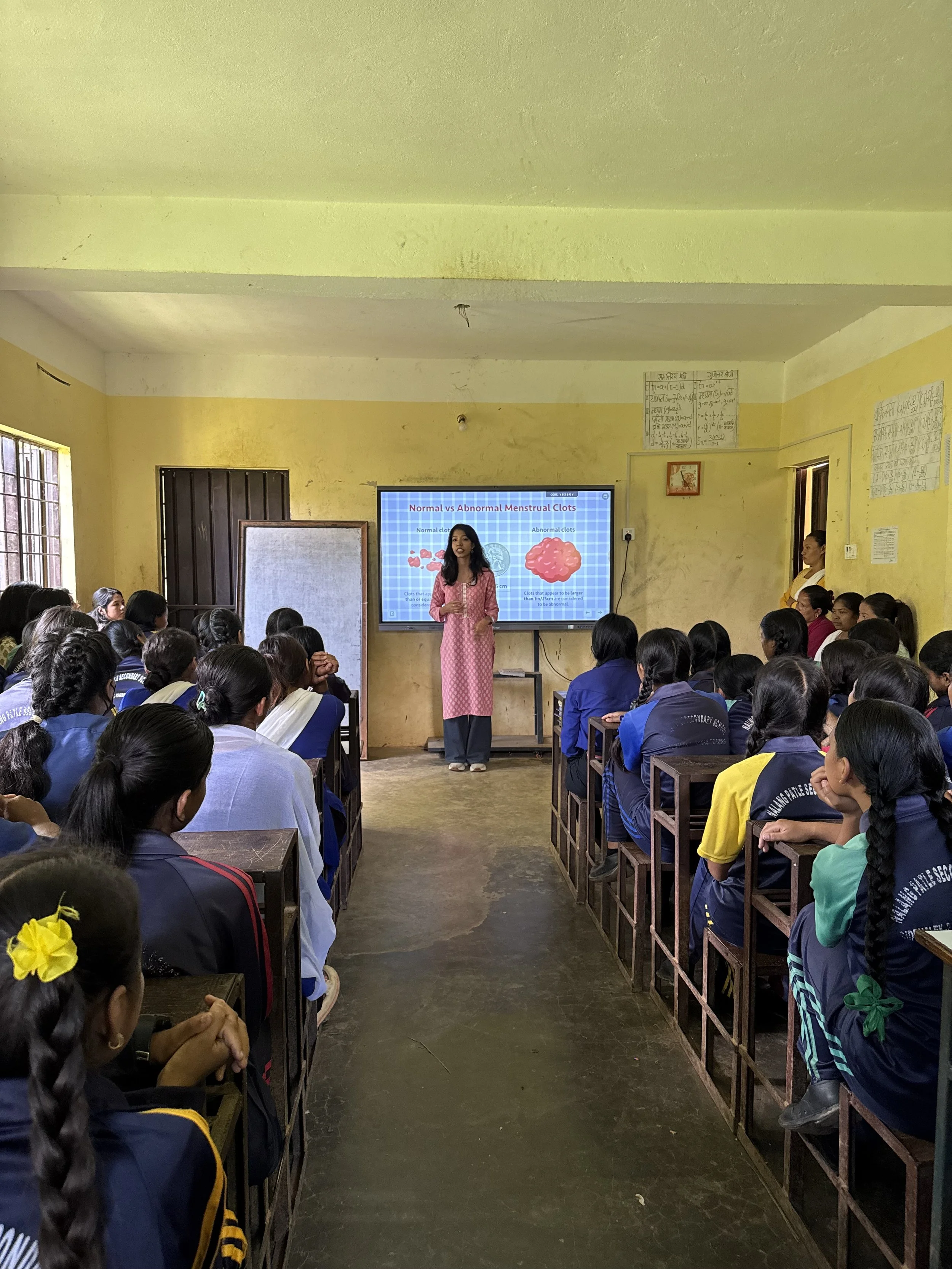
Project Bimba is the first-ever initiative of Leo Club of Kathmandu Sarubi focused on Menstrual Hygiene Management Program in which students are provided insightful and engaging sessions regarding menstrual hygiene, social stigma and taboos. Along with the insightful session, we distributed reusable sanitary kits to 134 school girls, 15 female teachers and 5 non-working female staff at Nalang Patle Secondary School, Nalang, Dhading. Nalang is a hilly rural village at Dhading district of Nepal where people live relying mostly on farming and with limited access to roads and other facilities.

On 3rd September, we organized one and half-hour classroom session where we provided insights on the topic that are often whispered, avoided, but always important. Menstruation, puberty, reproductive health are the topics that touch every life but rarely discussed openly in classrooms. We presented in smart board which helped in keeping things clear and engaging. We had prepared bilingual slides in English and Nepali. We covered everything from puberty and anatomy to PMS, cramps, blood clots, pregnancy, myths and taboos, and menopause. Along with that, we also did quiz activities related to the topic to make the session engaging. At first, the students were quiet with shy glances, nervous smiles, unsure if they should speak. But as the session unfolded, they began to open up. Even when the answers weren’t correct, students shared confidently and were highly encouraged by their teachers. Their courage was rewarded with stationery items. Students then started to open up with us and shared their knowledge.

Students participate in training

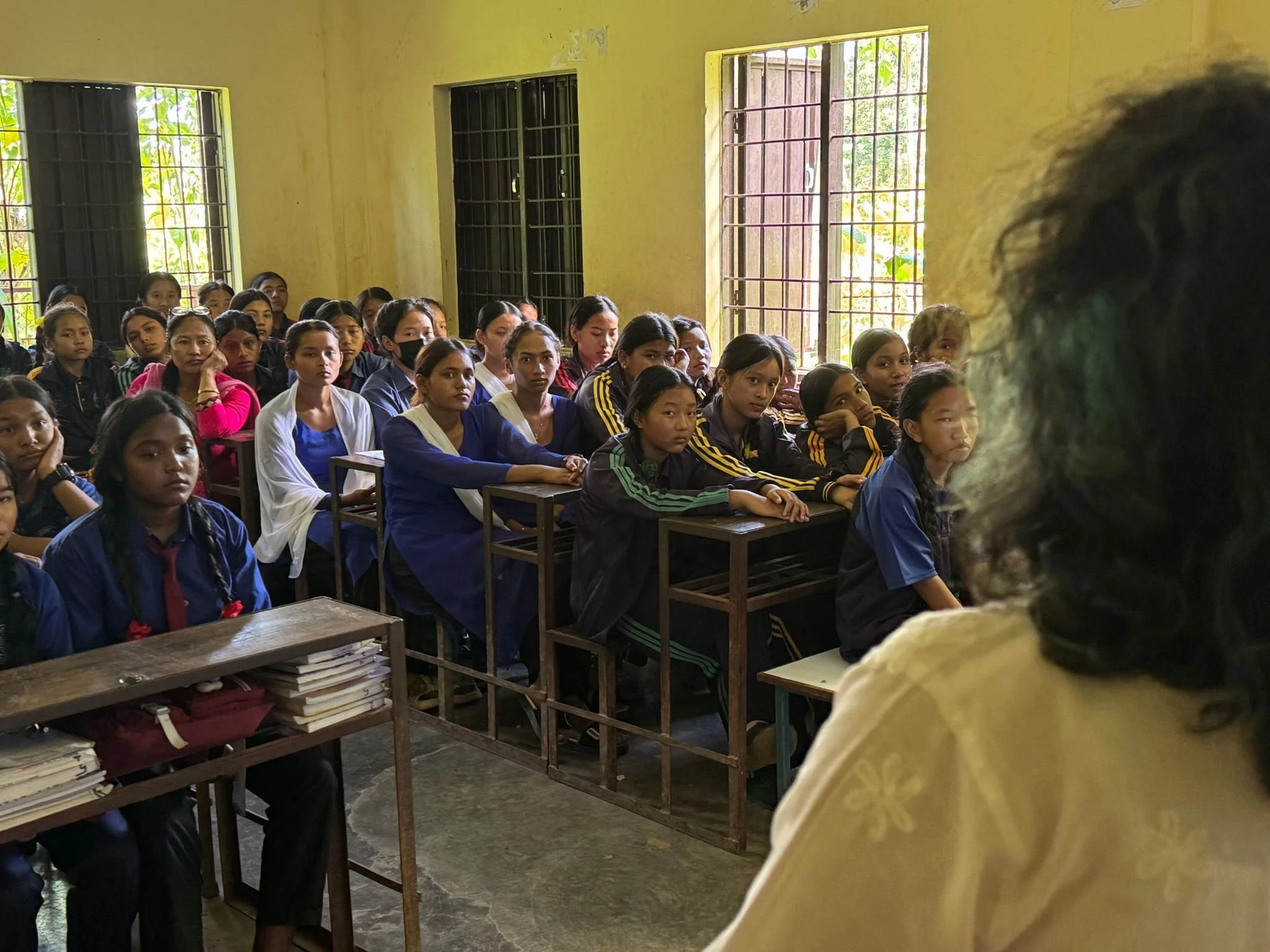
Students participate in MHM training. Photo Credit: Project Bimba

Students admitted they had learned things they didn’t know before, and some even told us afterward that they wanted to share the information with their mothers and sisters at home. It was heartening to see stigma slowly replaced by openness. A girl from class 8 shared that she learned new things about topics like urinary tract infection (UTI) and the menstrual cycle. She said, “I never realized that this kind of discrimination is haunting us behind our back. I shall never promote this and will aware my parents about this as well. ” Another girl shared that once her family didn’t allow her to touch fruits on the table, but out of curiosity she touched them anyway and realized that nothing actually happens.

Instructor at front of class

Training session. Photo Credit: Project Bimba

The students enjoyed the session and didn’t even have a chance to feel bored. All the facilitators were very friendly and approachable. The participants suggested that the session should also be organized for adult women, as they felt the elder women still holds stigmas about menstruation. They believe this will help bring positive changes in their thinking patterns and reduce long-standing misconceptions.

After the session, we distributed the sanitary kits to them. The program ended with gratitude, special vote of thanks from one of the teachers, khadas offered by the Ward Chairperson, Principal, and Vice Principal. They expressed gratitude to the team for conducting such an informative and meaningful program. It reminded us why these programs are valued highly in society. We are thankful to Conscious Connection Nepal for their guidance, timely response and support throughout this project. We look forward in organizing Project Bimba II in upcoming days in such rural place.

Pad distribution with school leadership. Photo Credit: Project Bimba

Thank you for your ongoing support! Help us continue to support critical healthcare education in Nepal.

Give Today

Empowering Women in Mustang through Menstrual Hygiene Management

CCF teams up with Drokpo Nepal to empower women in Mustang through menstrual hygiene management and pad-making training

Written by Pema Yangkyi Gurung, Finance & Program Officer of Drokpo Nepal

Mustang, often called the “Forbidden Kingdom,” is a remote Himalayan district in the rain shadow of the mountains, with elevations between 2,800 and 4,000 meters (9,186 and 13,123 feet). Its rugged terrain, deep gorges, and high-altitude deserts leave many villages isolated, where health education is scarce and cultural taboos silence conversations about menstruation. Here, many women and nuns still lack the knowledge and resources to manage their periods safely and confidently.

Mustang outlined in red. Source: Google Maps

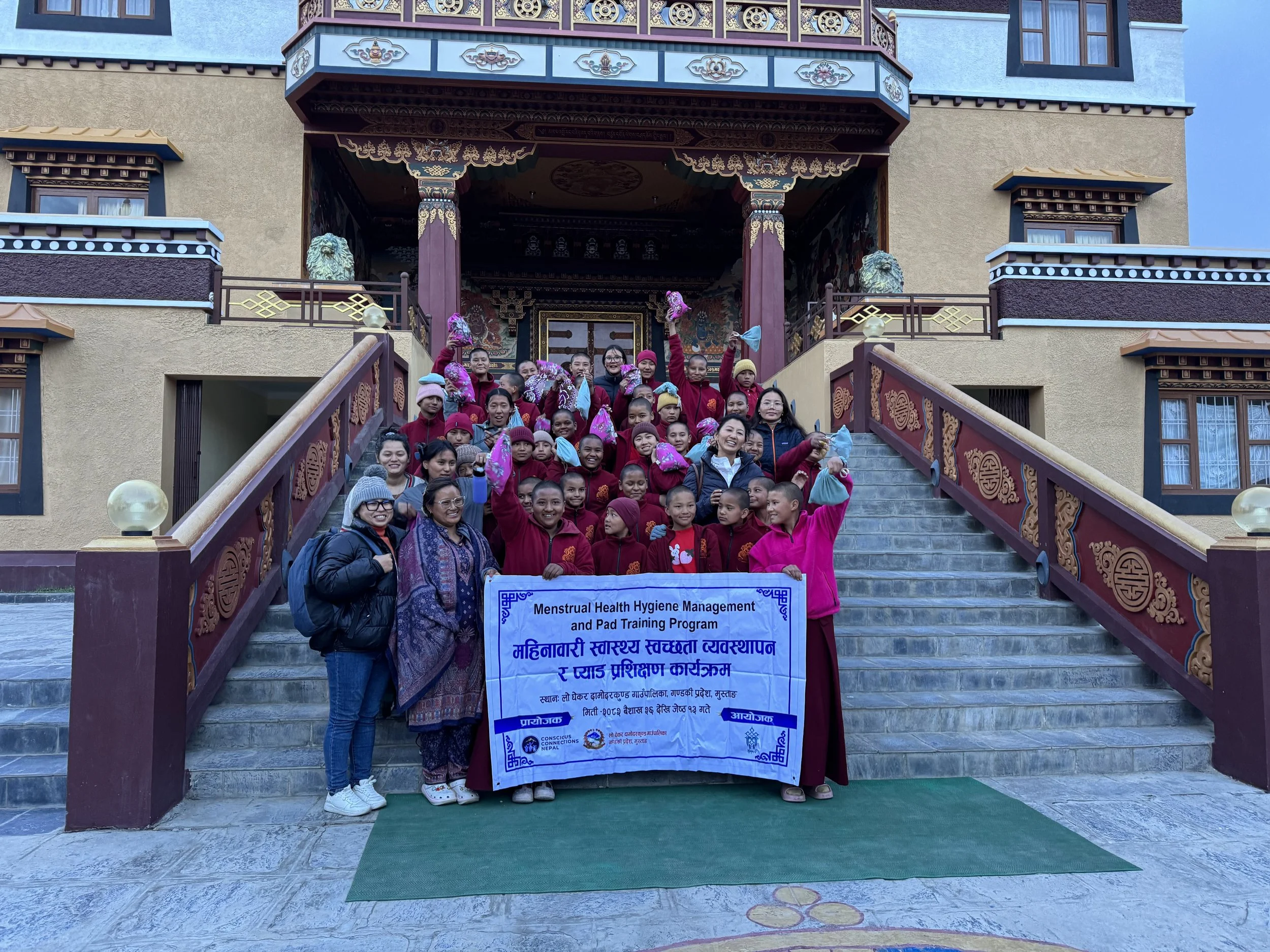
Chhiring Lhamo Gurung, Vice-Chairman of Lo-Ghekar Damodarkunda Rural Municipality, shared that while the local health post organizes menstrual awareness programs, language barriers often limit their impact. When they learned that Drokpo Nepal could conduct sessions in Tibetan and Mustang languages, they reached out to us. Responding to this need, Drokpo with the CCN team and financial support from CCF, held four Menstrual Hygiene and Pad-making workshops—one in a nunnery and three in different villages. The workshops were designed not only to provide practical knowledge but also to create a safe and inclusive space where women and girls could openly discuss menstruation without shame.

Students from Charang Nunnery with Drokpo Nepal and CCN staff. Photo credit: Drokpo Nepal

The journey to Upper Mustang from Kathmandu was long and challenging for the whole team. After a flight from Kathmandu on May 7, 2025, we traveled nine hours by jeep from Pokhara to Marpha, and then another six hours through rugged terrain and deep gorges to reach Charang at 3,750 meters. The high-altitude desert spread endlessly around us, and the fierce winds of Tsarang village greeted our team at 3:00 PM on May 8, 2025, marking the beginning of our mission.

The following day began with a meeting with local stakeholders, including the Chairperson and Vice-Chairperson of Lo-Ghekar Damodarkunda Rural Municipality, who informed the villages about the menstrual hygiene awareness programs and encouraged participation. Organizing the sessions came with challenges, as villages like Marang lacked proper halls. Additionally, one session overlapped with Buddha Jayanti, and since many women and girls were away on pilgrimages that day, we had to postpone it by one day. With the guidance of Chhiring Lhamo Gurung, however, the Drokpo team was able to overcome these challenges.

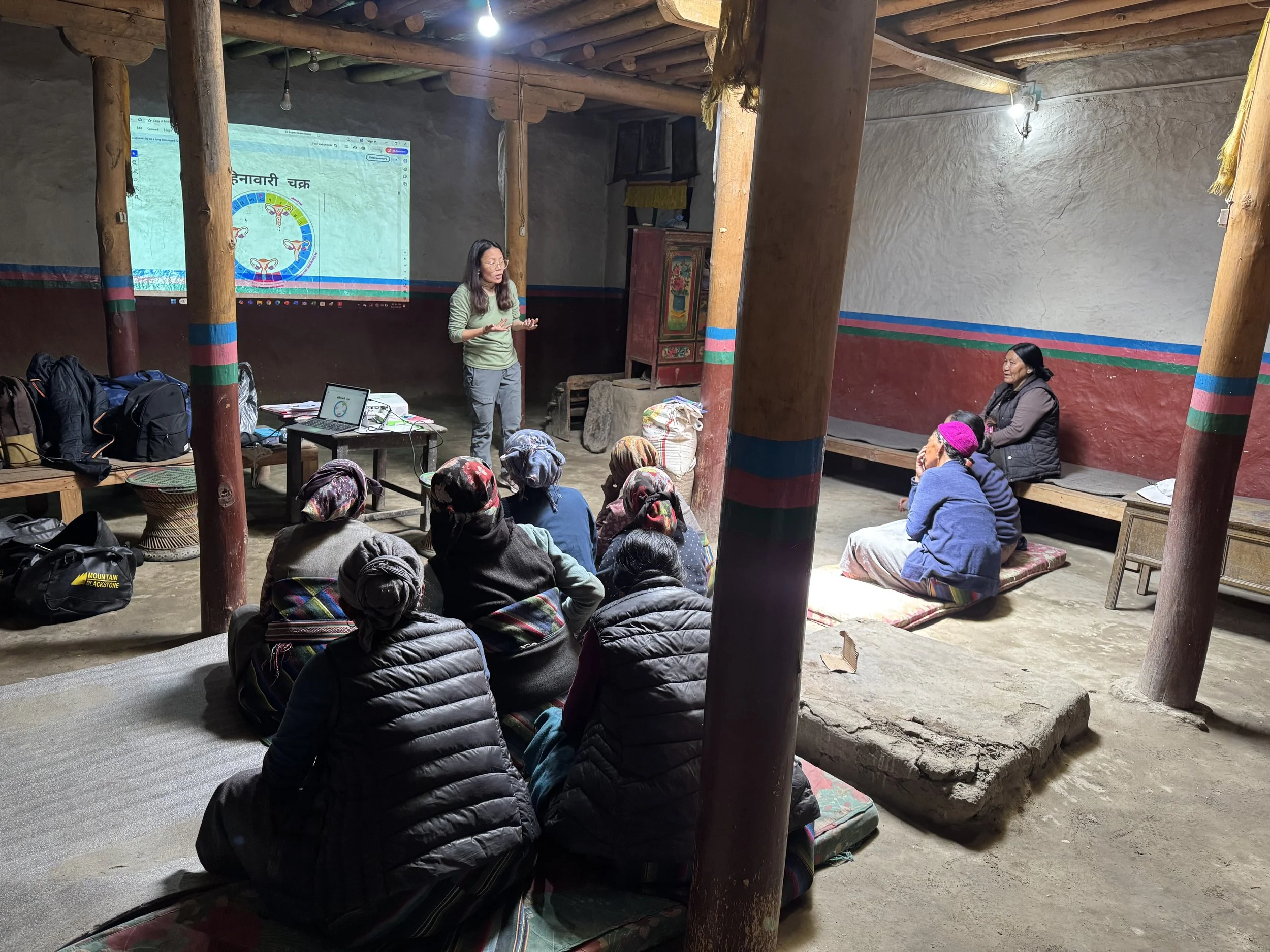
Training in Marang. Photo credit: Drokpo Nepal

The session began in Lokhé (Mustangi language) with a warm and welcoming atmosphere, with the aim to make participants feel comfortable. From May 9 to 13, 2025, our MHM program reached three villages and one nunnery in Mustang—Charang (39), Marang (28), Dakmar (45), and Charang Nunnery (36). On May 12, we had to pause the session because of Buddha Jayanti, but every village still received a full day of menstrual hygiene sessions and reusable pad-making training. We began the session with a few open-ended questions about what menstruation meant to them and the words or code words they used for periods. At first, the women were shy, covering their faces with scarves or hands and giggling at questions about menstruation. Many had never openly discussed these topics before, so even simple questions caused laughter and embarrassment. As the session progressed, the initial shyness gradually gave way to curiosity, and the participants began engaging more openly, asking questions and sharing their thoughts and personal experiences.

At the beginning, many participants viewed menstruation as impure. Some referred to it as ལུས་ཀྱི་ནད་ (“Lu Kyi Neh”), translated as “a disease of the body.” Most women believed that periods began from the hips, as they had always heard it described with the word “kepa” from their mother and sister, which means “hips” in the Mustang language. During the sessions, these misconceptions were gently addressed, opening space for dialogue and better understanding. By the end, participants felt more comfortable and began asking questions about family planning, white discharge, and the health of the uterus and breasts.

Marang village participants with pad-making materials. Photo credit: Drokpo Nepal

During the session, one woman in her late fifties described, “Whenever there is dryness around the vagina, I just apply Vaseline. I got relief for some time, but the dryness, discharge, and itching are not going.” The team advised against using Vaseline, explaining that it can trap bacteria and worsen infections. Participants were guided to maintain hygiene, change undergarments regularly, use cotton clothing, clean the vulva with warm water without soap, and stay hydrated.

One woman shared her experience as the session on family planning continued. “Young girls today are lucky to have this information and these options. Back in our day, there were not even small health posts in Mustang. We had to walk miles to Jomsom for family planning services,” reflected one participant. Another woman spoke about her experience with the Copper T contraceptive, saying, “They told us it would last twelve years, but mine came out after just two years. I had to have it removed because of the excruciating pain.” The team explained that procedures like Copper T and tubectomy should always be carried out by experienced doctors to ensure safety and effectiveness.

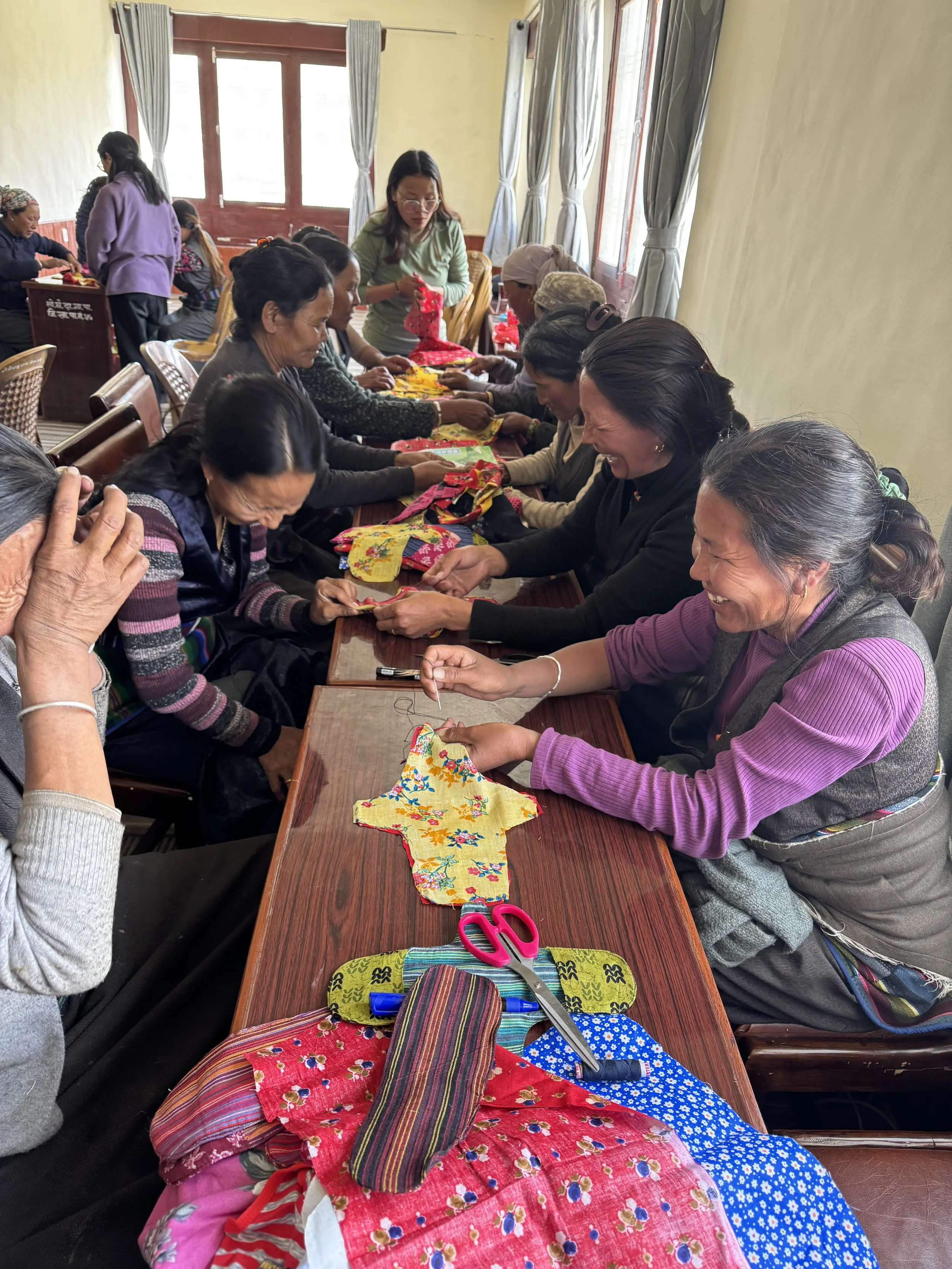
Charang village participants learn to make pads. Photo credit: Drokpo Nepal

An older woman who is in her late 50s shared how menstrual hygiene was managed in the past. “My friend and I, in our age group, had never seen such period products and never used anything like that when we were young. We just changed the trousers after a few days,” another added. “Now the younger generation has a lot of options, earlier some of us used our headscarf and any piece of clothes available during the period. Back in the day some did not use any of it.”

Participants were taught proper hygiene, safe pad use, washing and drying cloth pads, and avoiding old or dirty clothing to prevent infection. Many were curious about tampons and menstrual cups, asking questions about how to use them. Seeing these products for the first time sparked curiosity, and some participants even wondered and asked, “If we insert the tampon or cup into the hole, then where can we urinate from?” The team explained patiently, helping them understand the separate functions of the menstrual and urinary passages by introducing basic reproductive anatomy.

Women in the Dakmar training display handmade pads. Photo credit: Drokpo Nepal

Meals were provided during the sessions, making the atmosphere warm. Over shared meals, women felt comfortable opening up, exchanging experiences, and learning together. Beyond raising awareness, the workshops emphasized practical training in reusable pad-making. Each session lasted a full day, starting with engaging discussion before meals and followed by a hands-on workshop, where participants learned to make their own reusable pads. This empowered women to produce their own pads independently and manage their menstrual health with dignity. Over the course of the program, 170 menstrual health kits were distributed among 148 women, nuns and girls in Charang village (39), Marang Village (28), Dakmar Village (45), and Charang Nunnery (36). Each contains reusable cloth pads, underwear and soap with the aim of supporting the dignity and daily well-being of women, girls, and nuns.

With financial support from CCF, Drokpo Nepal along with CCN was able to make a meaningful impact in Mustang by breaking menstrual taboos, raising awareness, and providing practical skills and resources. The workshops not only offered education on menstrual health, family planning, menopause, and reproductive cancers but also created safe spaces for open dialogue. By teaching reusable pad-making, distributing hygiene kits, and addressing the needs of diverse groups, including LGBTQ+ individuals and those with disabilities. The sessions empowered women, girls, and nuns to manage their health with confidence and challenge harmful social norms.

Students from Charang Nunnery learn to make pads. Video credit: Drokpo Nepal

Thank you for your ongoing support! Help us continue to support critical healthcare needs in Nepal. 

Give Today!

Our 2024 Annual Report: Leading Change and Creating Safe Spaces for Discussion and Learning

Written by Denise Attwood

Dear Friends of CCF,

Our 2024 Annual Report is done and what a year it was for CCF! Incredible to see how a small group of people can come together, dream something into being, work through adversity and transform so many lives (including our own).

CCF started with the belief that if each of us gives a little it’s no longer pocket change but global change and, if we invest in the power of women and girls to be key participants in society then magnificent change can happen. Here we are 11 years later, and we have seen:

  • Young girls who once faced the prospect of marriage at 13 are now educated and pursuing careers—helping their families and choosing when to marry.

  • Mothers who longed for better futures for their children—but once lacked avoice in their own homes—now have the power to keep their daughters in school and shape their family’s future.

  • Young women who first volunteered with CCF programs in Nepal have grown into confident leaders, now founding their own Nepali non-profit to legitimize and expand the impact of this work.

  • Across Nepal, trainees in our Menstrual Hygiene programs have come together—sharing ideas, learning from their differences, and discovering a deep sense of mutual respect and community.

We have watched suspicion turn into admiration as women and members of the LGBTQ+ community openly discussed the barriers they face and find common ground. Where there once was fear and uncertainty, silence and shame, there is now pride and a newfound confidence as they realize they are not alone but have a huge community of support.

The soil we have built together has become fertile, nourishing each of these amazing people. The future for many looks brighter.

CCF 2024 Annual Report

Click to see our 2024 Annual Report!

For the last 11 years, our all-volunteer board has been incredible in supporting and building leaders in Nepal, and letting those leaders guide the direction of CCF’s work.  In 2024, we welcomed our newest board member, Lisa Bower, to the team!  Lisa brings an immense depth of experience from her years of work in international aid. She has been largely responsible for the incredible posts that have appeared recently in CCF’s  blog. Look for more to come as we focus more on telling the stories of CCF’s partners and our work together.

Sadly, we said goodbye to long time board member Dr. Kim Maynard, whose years in disaster relief in “the bullpen” and on the ground working in international aid gave her a  perspective that encouraged CCF to broaden  our vision from “aid” to work that impacts for generations. 

CCF has always believed in the power of building strong leaders—and today, that vision is more alive and impactful than ever. You will meet these leaders in the stories throughout the annual report.  Immerse yourself into their  lives, allow yourself to feel their courage and their pride, and finally allow yourself to feel the beauty that you, as a participant, have helped to create. 

We cannot thank you enough and we are so excited to share with you and inspire you.

To a brighter future!

Denise Attwood and the Board of CCF

When Every Second Counts: Life-Changing Wilderness First Responder Training in Nepal

A four-hour drive from Kathmandu would forever change how we think about emergency preparedness in remote areas.

Written By Kesang Yudron, Founder and Director of Conscious Connections Nepal

The winding mountain roads carried us away from the bustling streets of Kathmandu toward the serene hills of Bandipur, where our 10-day Wilderness First Responder (WFR) training awaited. Organized by Initiative Outdoor Nepal and offering SOLO (Stonehearth Open Learning Opportunities) certification, this intensive program would soon prove to be one of the most valuable experiences of our lives.

 Why Wilderness First Aid? A Question That Answered Itself

Initially, I questioned whether I really needed wilderness first aid training. That doubt quickly dissolved when I considered the reality of our work. Our programs take us deep into remote regions like Sankhuswabha in northeastern Nepal, where the nearest functioning hospital can be days away. We’ve encountered lightning storms and landslides that delayed our journeys between villages, leaving us completely cut off from medical assistance. In these moments, the question shifted from “Why do I need this?” to “How can I afford not to know this?”

 The sobering truth hit home: when you’re hours or days from professional medical help, you become the first—and possibly only—line of defense against medical emergencies.

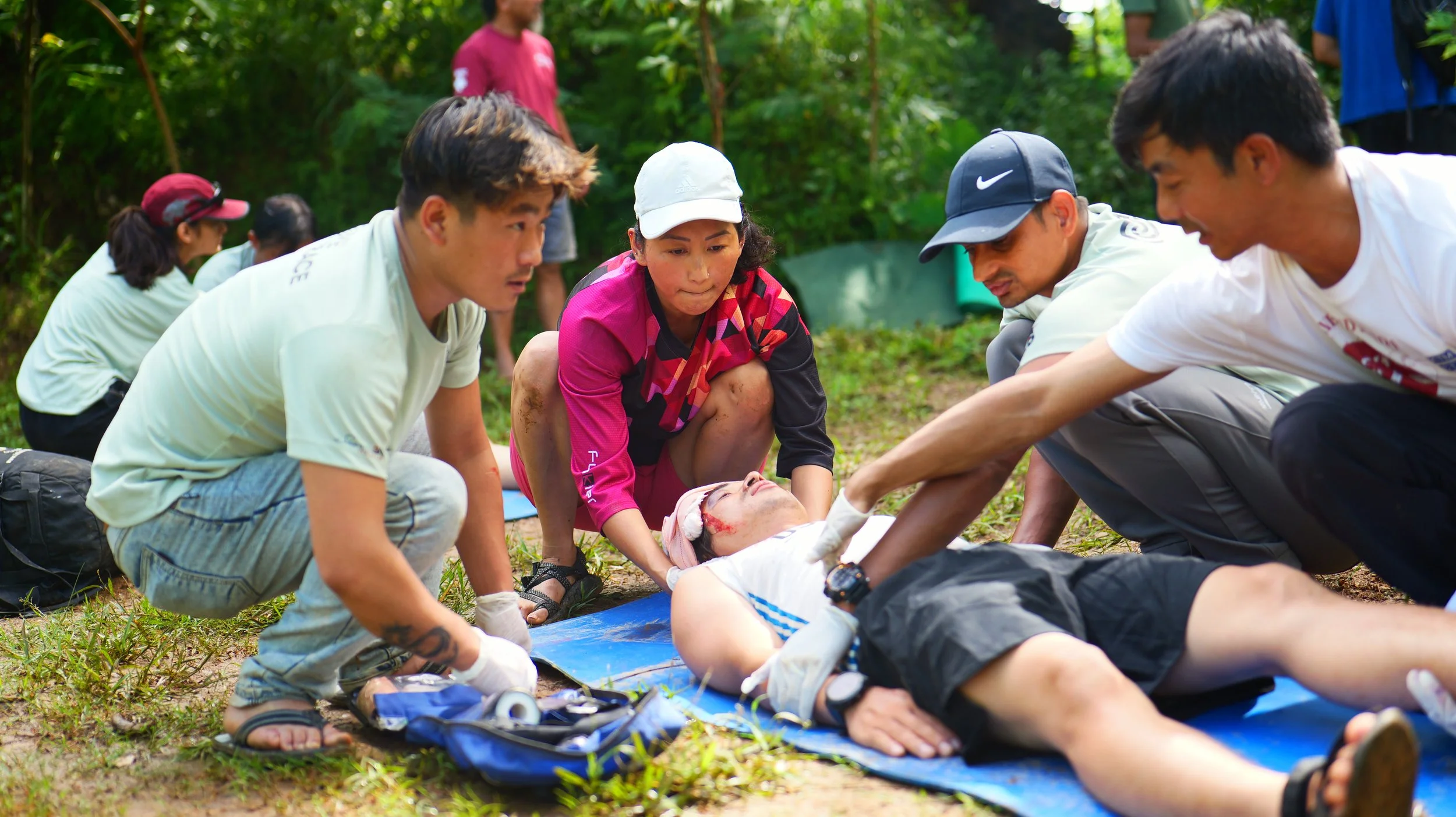
Training participants practice rescue techniques

Photo Credit: Conscious Connections Nepal

A Comprehensive Journey Through Wilderness Medicine

The SOLO Wilderness program unfolded as a meticulously structured 10-day immersion into pre-hospital medicine. From learning proper patient consent procedures to conducting thorough patient assessments, developing rescue plans, and understanding human anatomy, physiology, and pathophysiology, every element was designed to transform us into capable wilderness first responders.

Days 1-3: Foundation Building

The first three days focused on fundamental first aid training alongside 25 participants, many of whom were mountaineering guides from Nepal’s thriving tourism industry. Conducting the training in Nepali ensured that local guides could fully grasp these life-saving concepts and apply them with their clients.

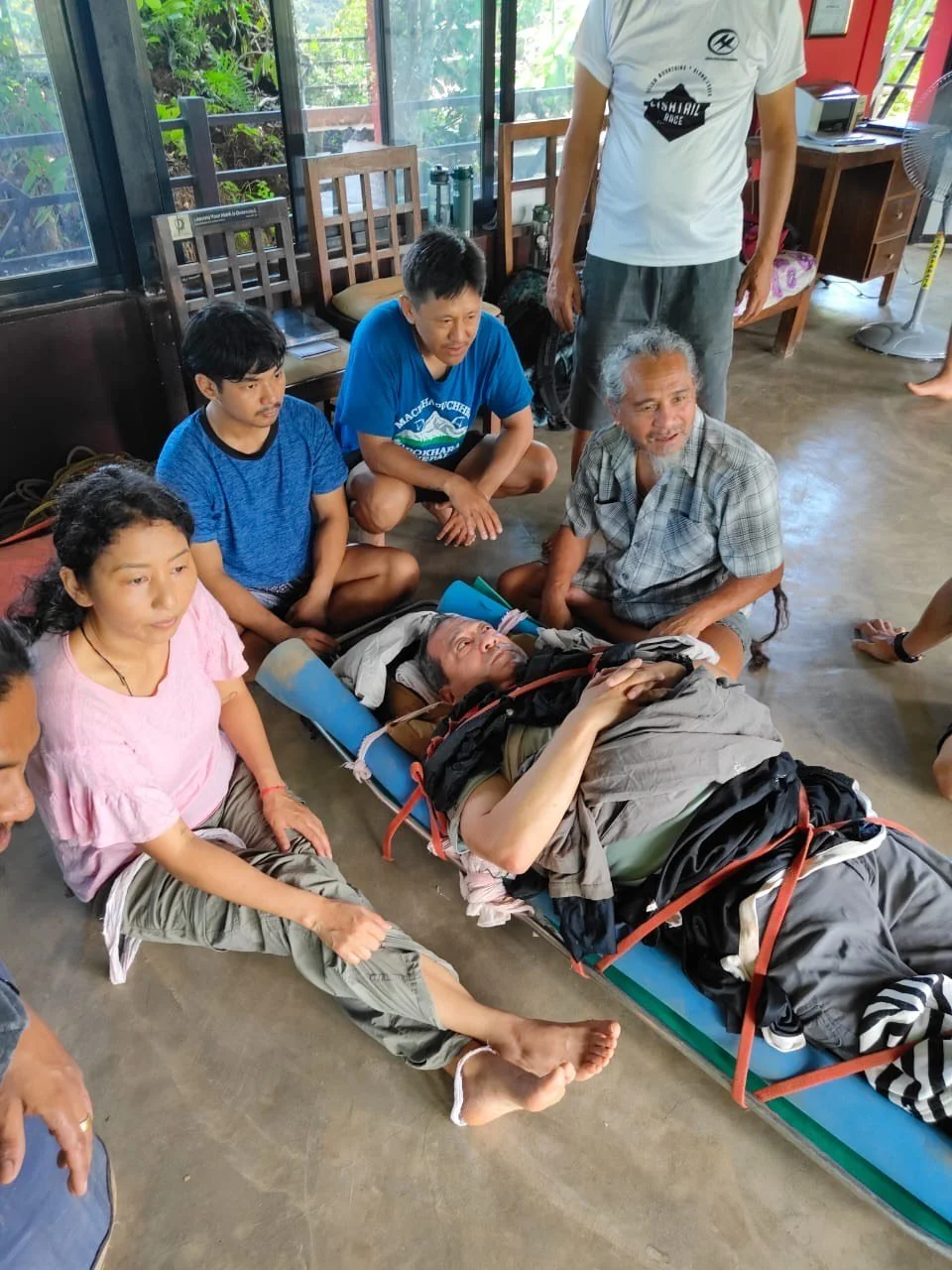
Photo Credit: Conscious Connections Nepal

We tackled everyday ailments that can quickly become serious in remote settings: treating bruises and controlling bleeding, managing dehydration and food poisoning, addressing sprains and respiratory issues. Each lesson carried personal weight—I couldn’t help but think of my cycling accident from years past that resulted in a keloid scar. Had I possessed this knowledge then, I could have managed that injury far more effectively.

For Igroom, who had previous first aid experience, the course served as both a refresher and confidence booster. She found herself more assured in handling bleeding emergencies and performing CPR, skills that felt more natural after hands-on practice in realistic scenarios.

Beyond the Basics: Skills That Save Lives

What truly distinguished this program was its emphasis on improvisation and adaptation. Working with limited resources, we learned to create medical equipment from whatever was available—a crucial skill when your “medical kit” might consist of hiking gear and natural materials.

The practical emergency scenarios were intense and enlightening. Each simulation began with the critical safety assessment: Is it safe for me to enter this scene? We learned to don protective equipment systematically—gloves, masks, and any other barrier devices available—before approaching any patient.

The primary assessment protocol became second nature: Airways, Breathing, Circulation, Deformation, and Environment. This systematic approach helps identify immediate life threats in those crucial first minutes. The secondary assessment taught us to build a complete medical picture through vital sign monitoring, patient history gathering, and thorough documentation—skills that become invaluable when eventually transferring care to medical professionals.

The Art of Knots: Engineering Safety in the Wild

Photo Credit: Conscious Connections Nepal

One unexpected treasure trove of knowledge was learning various knots and loops: figure-eight knots, bowlines, clove hitches, and others. These weren’t just rope tricks—they became essential tools for creating improvised splints, building emergency shelters, and executing complex rescue operations. Discovering this “vault of knowledge” felt like unlocking a secret language of wilderness safety. We practises making the knots many times until it felt second nature.

Water Rescue: Confronting Our Deepest Fears

Perhaps the most memorable—and nerve-wracking—component was the water rescue training. Swimming in a mountain stream while learning to assist drowning victims tested both our physical capabilities and mental resolve. We practiced rescue breathing and CPR in realistic conditions, but the most crucial lesson echoed throughout: don’t become the second victim. This principle of self-preservation isn’t selfish—it’s strategic. A rescuer who becomes another casualty helps no one.

Real-World Impact: Beyond Personal Preparation

This training illuminated a broader truth about disaster preparedness. Consider Nepal’s devastating 2015 earthquake: hospitals were overwhelmed, roads were impassable, and communities were isolated for days or weeks. In such scenarios, widespread first aid knowledge among the general population could mean the difference between life and death for countless individuals.

The ripple effect of wilderness medicine training extends far beyond personal preparedness. Every person trained becomes a potential lifesaver in their community, workplace, and family. Mountain guides can better protect their clients, teachers can respond to student emergencies, and ordinary citizens can step up during natural disasters.

A Vision for the Future

We believe WFR training should be integrated into school curricula nationwide. The skills learned here aren’t just for wilderness enthusiasts—they’re life skills that serve everyone, everywhere. From urban emergencies where ambulances might be delayed to rural areas where medical facilities are distant, this knowledge remains relevant and potentially lifesaving.

Our gratitude extends to the Conscious Connections Foundation for providing this transformative opportunity. But our journey with wilderness medicine doesn’t end here. We’re committed to sharing this knowledge, training others in our communities, and building a network of capable first responders who understand that sometimes, when help is far away, we must be prepared to be the help others need.

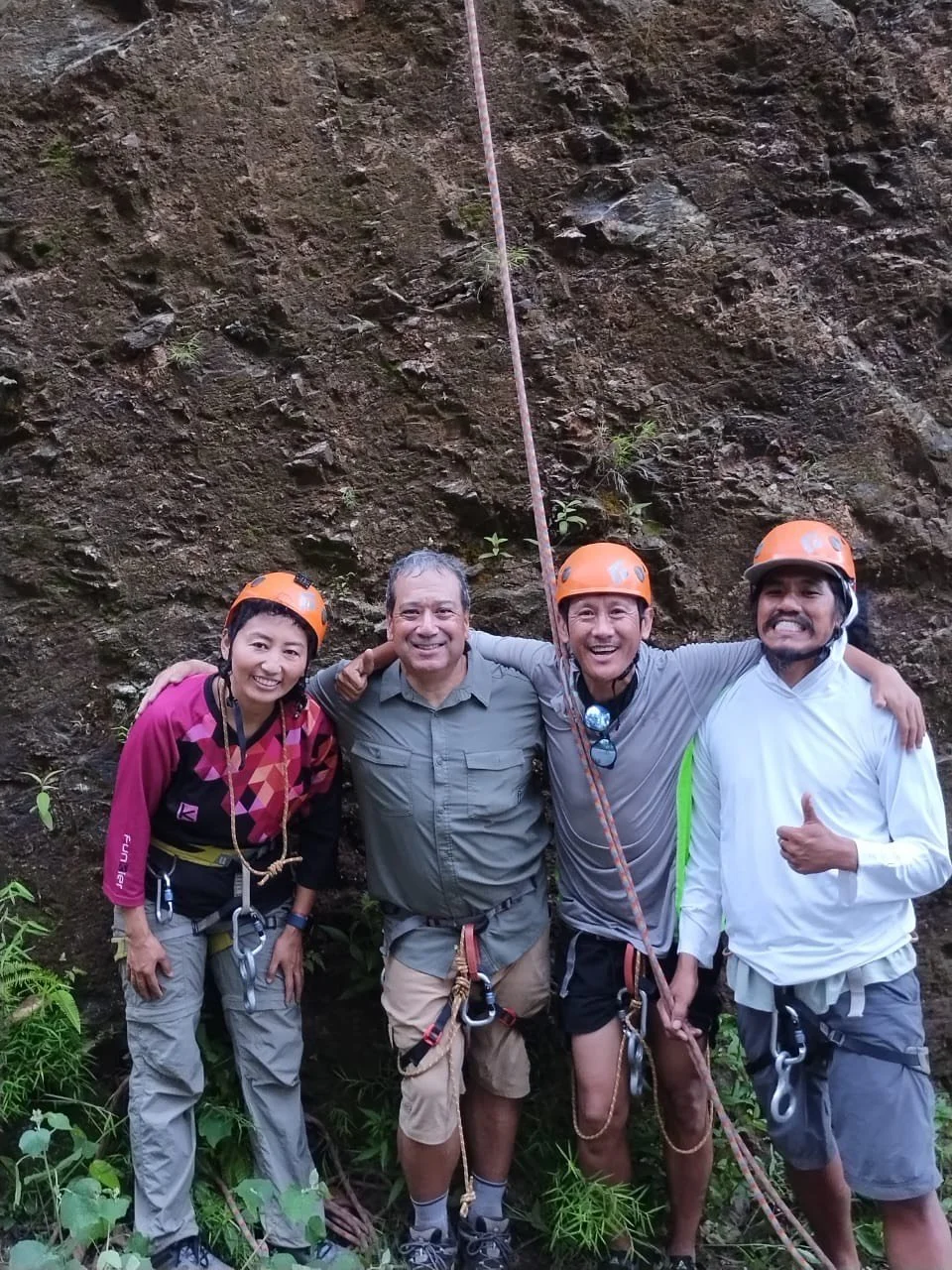
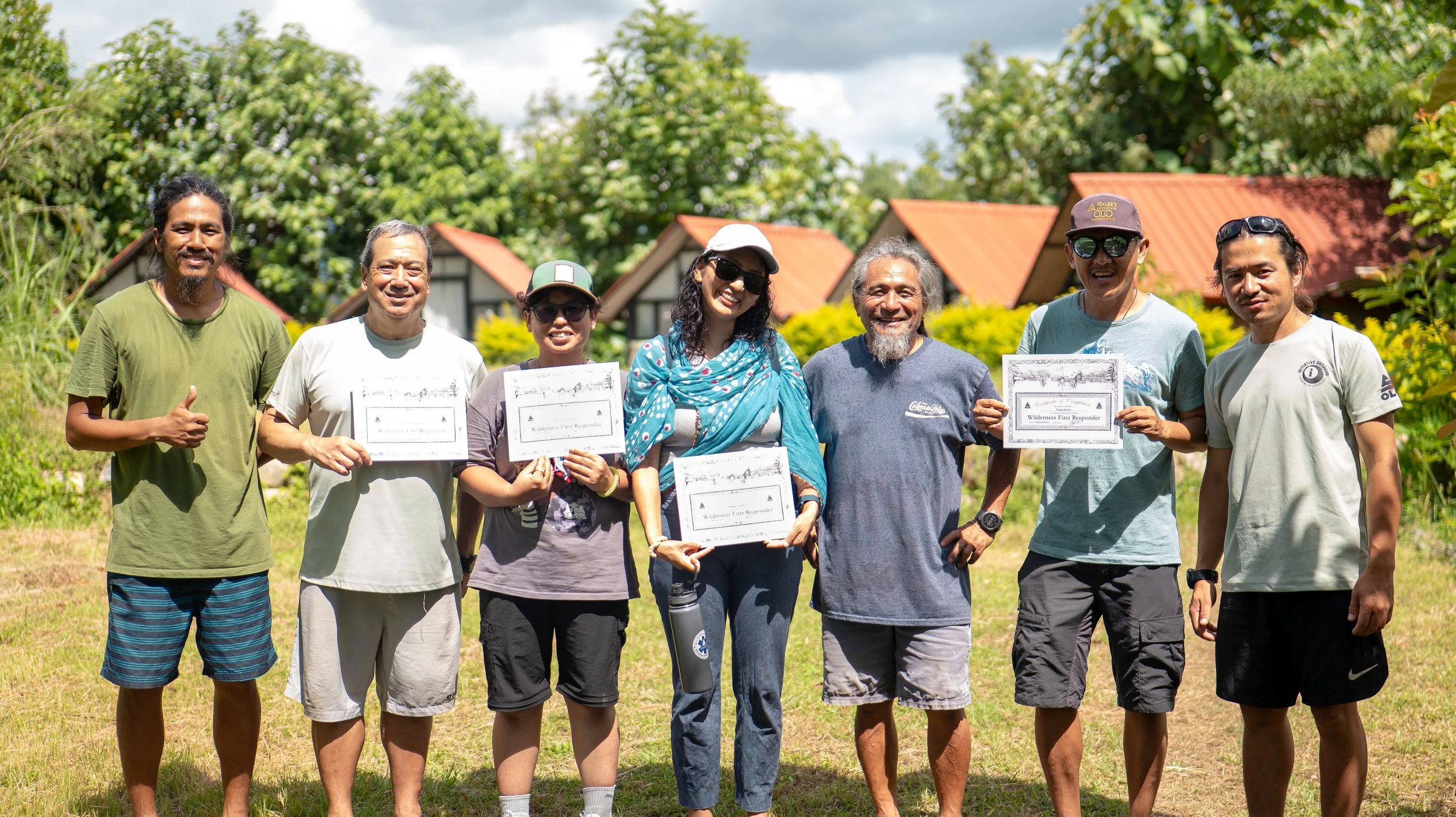
Participants of the training, including CCN Director Kesang Yudron and Staff Member Igroom Lama

Photo Credit: Conscious Connections Foundation Nepal

The Takeaway

Wilderness First Responder training taught us that being prepared isn’t about expecting emergencies—it’s about being ready to respond effectively when the unexpected happens. In remote areas where we work and live, this preparation isn’t just valuable; it’s essential.

Whether you’re planning outdoor adventures, working in isolated areas, or simply want to be a more prepared community member, wilderness medicine training offers skills that could one day save a life—perhaps your own, perhaps someone you love.

When every second counts and help is far away, knowledge becomes the most powerful tool you can carry.

Disability and LGBTQI+ Perspectives on Menstruation

Written by Lisa Bower, Board Member

In May 2024, CCF supported a Training of Trainers (ToT) workshop (see Part I and Part II) that brought together diverse voices from across Nepal to deepen understanding and expand impact in menstrual hygiene management (MHM). While participants praised the practical information and skills gained, many also cited the true value of the training in the rich diversity of attendees and the powerful connections formed.

A particularly meaningful aspect of the workshop was the inclusion of participants from the LGBTQI+ community and individuals with disabilities—groups whose voices are often left out of mainstream MHM conversations. Lead trainer Anupa Regmi shared, “The training helped participants better understand the experiences of LGBTQI+ individuals, encouraging empathy and inclusivity.” She also highlighted the importance of participants with disabilities sharing their lived experiences, noting that “people around them lack awareness” of the unique challenges they face in MHM.

“We Empathized with Each Other”

Pratichhya Chapagain (left) with the President of Rainbow Disability Nepal (Photo Credit: Rainbow Disability Nepal)

Pratichhya Chapagain

ToT participant Pratichhya Chapagain is a human rights defender who is visually impaired and part of the LGBTQI+ community. With more than 7 years of experience in human rights, Pratichhya fights for the inclusion of women with disabilities and diverse experiences in government policy. Pratichhya’s work spans inclusive early childhood education, policy advocacy, gender-based violence, and leadership development for women with diverse disabilities.

Pratichhya Chapagain (left) with the President of Rainbow Disability Nepal
(Photo Credit: Rainbow Disability Nepal)

The MHM training was not a new topic for Pratichhya, but she appreciated the opportunity to hear different perspectives on menstruation, which she said helped reinforce that menstruation is a natural process that “we have to celebrate and learn how to manage it properly.” Reflecting on the ToT, she noted the value of hearing diverse experiences and emphasized the warmth and honesty with which participants engaged: “People spoke from their hearts, and from very difficult experiences. They interacted very well and empathized with each other’s problems. I have different issues, they have different issues. We empathized with each other.”

Disability and Menstruation

For many women with disabilities in Nepal, managing menstruation is not only a personal challenge—it is a systemic one. Physical barriers, lack of inclusive infrastructure, and deeply rooted stigma make it difficult to manage menstruation with safety, privacy, and dignity. Homes and public spaces often lack wheelchair-accessible washrooms, leaving individuals with mobility impairments struggling to change menstrual products or maintain basic hygiene.

“Since the government of Nepal has not developed or prioritized MHM policies for people with disabilities, families struggle to provide adequate support,” shared CCN Director Kesang Yudron. The absence of disability-friendly materials and facilities continues to be a major gap in the country’s menstrual health landscape.

These issues are compounded for individuals with visual or intellectual disabilities. Pratichhya shared, “Visually impaired women have complained to me in various training sessions that whenever they go to any medical shop… to purchase sanitary pads, they are often given expired pads,” noting that one woman developed an infection as a result. She emphasized the need for well-designed and accessible washrooms, along with educational materials—manuals, videos, and audio resources—tailored to a range of disabilities.

Cultural taboos like chhaupadi (see Part I) intensify these challenges, particularly in rural areas where access to menstrual products is already scarce. For women with intellectual or sensory disabilities, the lack of customized support and stigma can lead to further exclusion and harm as they struggle to understand and navigate menstruation.

Tulasa Karki knows this reality firsthand. Born with a physical disability affecting her arms, Tulsa grew up in a low-income household where medical care and education were out of reach. When she first began menstruating, she was terrified. Because of her physical limitations, she needed help with essential tasks—using the toilet, bathing, and changing clothes. During menstruation, these needs became even more urgent.

But instead of support, she was often met with shame. “People around me showed disgust and hesitation,” she said. Finding someone willing to help her change pads was a constant struggle. At times, she was forced to wear the same pad for over 24 hours, risking infection and enduring preventable discomfort.

This year, Tulasa received a one-day menstruation training led by Pampha Purkoti, a participant in the May 2024 ToT supported by CCF.

Tulasa karki

“Through the support of CCF, I received training on menstrual hygiene management for women with disabilities. The training was incredibly effective.” For the first time in Tulasa’s life, she received education on menstrual health.

Photo Credit: Tulasa Karki

Tulasa’s story is a powerful reminder of what’s possible when education, empathy, and access come together—and of the urgent need to center disability inclusion in all MHM efforts.

LGBTQI+ Perspectives

For transgender, non-binary, and intersex individuals, menstruation can also be an isolating and distressing experience. Rigid gender norms and a lack of inclusive services in Nepal often leave them navigating menstruation in secrecy or shame. Accessing appropriate menstrual products and facilities can be difficult, especially when public restrooms and healthcare services are strictly gendered. This intersection of menstrual stigma and gender identity can lead to heightened feelings of exclusion and mental health strains.

During the ToT, LGBTQI+ participants courageously shared their stories. As CCN Director Kesang explained, “The LGBTQI participants shared insights about gender roles, particularly highlighting how trans men face questioning when purchasing menstrual pads. They also discussed how trans men often avoid seeking medical care for reproductive issues due to the lack of gender-friendly hospitals in Nepal. Additionally, they emphasized how their appearance affects their opportunities in society, leading to limited growth and low self-esteem.”

Pratichhya added that access to gender-neutral bathrooms is crucial in Nepal, and noted that many transmasculine individuals struggle with menstruation, especially when it conflicts with their gender identity. “It is very difficult for trans men who are transmasculine who don’t want to menstruate,” she said, stressing the importance of psychosocial care and counseling to support transgender individuals dealing with depression.

Hear directly from one Samyog KC, another ToT participant, on this issue:

Looking Forward

The ToT was a reminder of what’s possible when marginalized voices are invited in—not just as participants, but as future leaders and change agents. Pratichhya emphasized the importance of continuing to include diverse participants from different backgrounds and experiences, particularly people with disabilities, in future MHM trainings. Pratichhya stated, “It is important to educate women on menstrual hygiene, to become leaders of their own communities to advocate about MHM strategies.” She called for more “practicably implementable strategies for making MHM an easy process for visually impaired persons” and MHM materials, including documents, videos, and audios that better cater to a range of disabilities.

ToT Participants in May 2024

MHM ToT Participants, May 2024

While organizations like CCN are working to integrate disability and LGBTQI+ perspectives into MHM responses, more needs to be done and systemic barriers remain—exacerbated by the recent closure of key donor-funded programs supported by USAID. One of these was set to support the Blind Women’s Association, cutting off critical resources for advocacy and education.

Yet the spirit of resilience remains strong. Participants left the ToT training not only with knowledge, but with connection, empathy, and a renewed sense of shared purpose. As MHM efforts grow in Nepal, so too must the commitment to equity, inclusion, and dignity for all menstruating individuals. Better understanding these challenges and opportunities is critical to expanding MHM education and services throughout Nepal.

Thank you for your continued support of CCF and CCN!

Give Today

Stepping Forward in Menstrual Health & Hygiene: Training of Trainers (Part II)

Written by Lisa Bower, Board Member

In Part I, we shared how CCF supported its first Menstrual Health & Hygiene (MHM) Training of Trainers (ToT) in May 2024. This three-day gathering brought together a powerful and diverse group of leaders ready to shift narratives and open up honest conversations around menstruation. In Part II, we follow what happened after the training—how participants turned knowledge into action and sparked lasting change.

MHM ToT participants during the May 2024 training

“Only the Grinding Stone Knows the Pain of the Blade”

The ripple effects of the ToT were felt almost immediately. Lead Trainer Anupa Regmi observed powerful changes in both attitude and behavior among participants that were similarly observed by CCN Director Kesang Yudron and CCN Staff Member Igroom Lama:

  • Openness and Comfort: Participants began speaking more freely about menstruation and reproductive health, even approaching Anupa directly to ask personal questions. For some, it was the first time they had ever spoken openly about their experience. Misconceptions about menstrual products, such as fears around menstrual cups, also started to shift.

  • Emotional Healing: Survivors of stigma and isolation shared their stories, often tearfully, finding relief in knowing they were not alone, and change was possible.
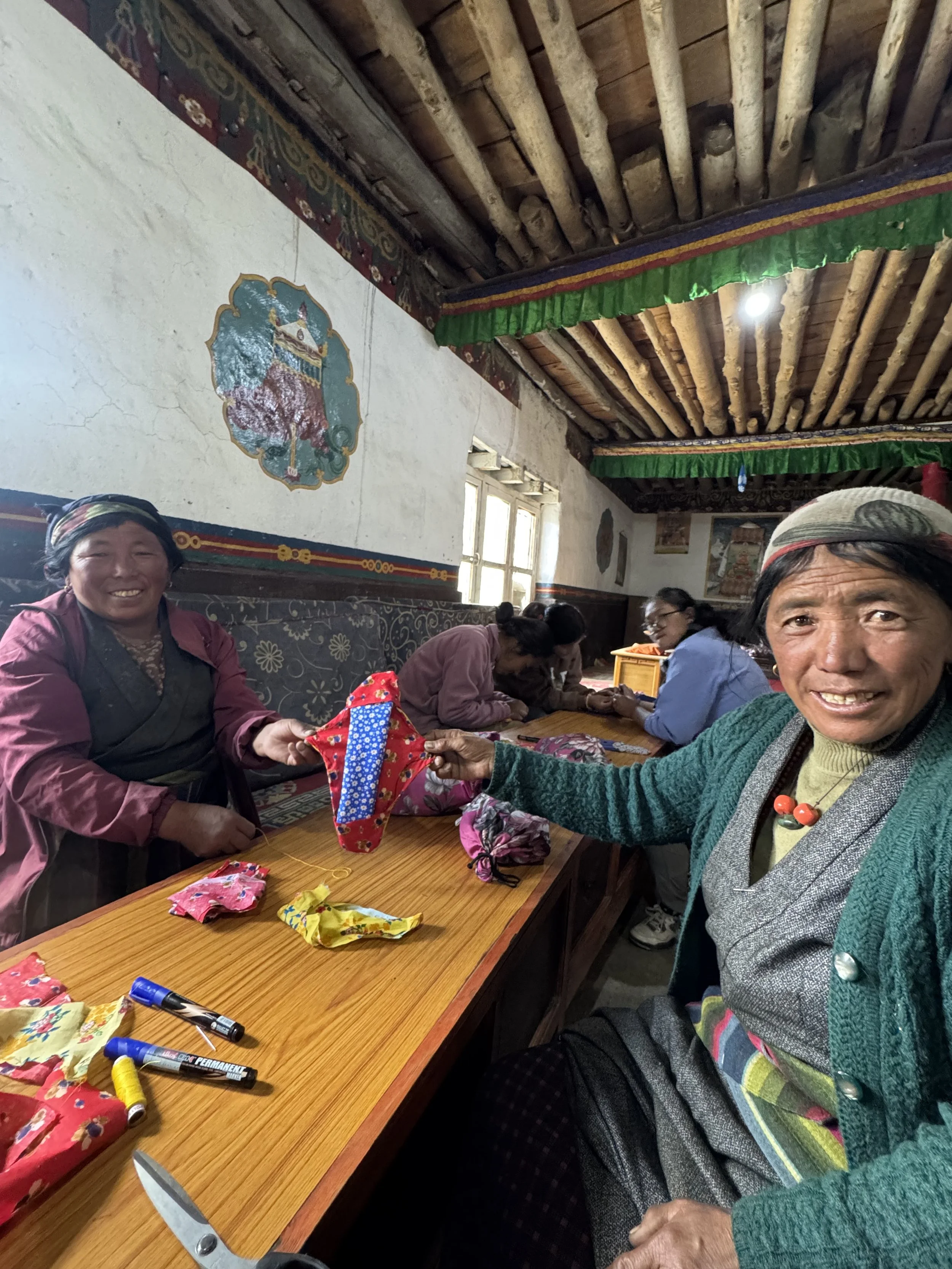
  • Immediate Action: Participants left with clear commitments to bringing MHM training to their communities and workplaces.

On the final day of the training, each participant developed an action plan outlining how they would promote menstrual health over the next year. CCF funded customized training packages, including manuals, visual tools, and role-playing guides to help participants succeed in future trainings. Participants also learned to draft basic proposals to secure support for future training initiatives in their communities.

MHM ToT participants during the May 2024 training

ToT participant Ms. Pema Choeden Tamang stated: “This training personally helps me a lot. I am now able to read my body and can [respond] as it needs during my period. Similarly, I can also help people around me to get rid from unnecessary body pains, cognitive and emotions changes, mood swings and effective uses of sanitary and normal pads. I am now able to conduct Menstrual Hygiene training [for] all the age groups.”

The ToT also had a powerful impact on the men who participated. According to Anupa, many expressed a deeper understanding of the challenges surrounding menstrual health, turning the traditional Nepali saying, “Only the grinding stone knows the pain of the blade,” on its head. “Now, we too understand the pain of menstruation,” one participant shared. Many advocated for greater male involvement in such programs, emphasizing that men also need to be educated about dignified menstruation.

Video: ToT Participants from the Association of Craft Producers share their experience

Impact in Action

Since the ToT, participants returned to their communities and have been busy putting their training into practice through training and the distribution of menstrual hygiene kits. Here are a few examples:

  • A training held at the Association for Craft Producers for 40 in-house artisans and staff.

  • A participant from Nepalgunj led a community training with a local knitter’s group and is planning a larger session with a nearby school.

  • At the Tsoknyi monastery, two teachers who attended the ToT facilitated training sessions and the distribution of menstrual hygiene kits to their students.

  • A training was conducted by Nepal Disabled Women Association in Kavre for 27 participants.

  • A training on “Inclusive Menstruation Care” was conducted by Mitini Nepal among the LGBTQI + communities.

  • In addition, trainer Anupa also conducted 2 follow-on trainings on menstruation in Gorkha among Muslim and non-Muslim communities with 40 participants.

In total, 487 menstrual kits were distributed through these follow-on initiatives—reaching hundreds of women and girls.

Ms. Pema Choeden Tamang, who co-led the training at the Tsoknyi monastery, has already observed a direct shift in her students as a result of the training she provided: “Many of our students are now aware of premenstrual symptoms, [and the] definition and understanding of menstruation and puberty. I believe that they are now being more serious and mindful during their periods [...including the] effective usage and disposal of sanitary pads, menstrual cups and normal pads… I, along with our students, are now aware that we need to manage our period, menstrual supplies like sanitary pads or access to a clean toilet are necessary. They are now understanding that, if not properly managed, menstruation can interrupt daily life and cause health issues.”

Photo Credit: Tsoknyi Monastery. Photo of MHM training held at Tsoknyi Gechak School

The Work Ahead

While the outcomes of this ToT were deeply encouraging, there is still much to be done. Anupa identified several key areas for continued focus, which CCF and CCN will keep front and center as we move forward:

  • Menopause Education: Many women shared that they lack information and support around menopause, leading to confusion, isolation, and depression. Expanding the conversation around menstruation to include the full spectrum of reproductive health is essential to supporting women throughout their lives.

  • Engaging Men: This ToT affirmed how important it is to include men in conversations about menstrual health. When men understand the realities of menstruation, they are better positioned to challenge stigma and support change at home and in the community. Continued outreach to fathers, husbands, and male leaders is vital.

  • Access to Products: Some participants, especially from rural areas, reported limited access to safe, affordable menstrual products. This underscores the importance of CCF’s continued work to provide sustainable MHM kits.

Lastly, ongoing mentoring and training, along with stronger communication and facilitation skills, emerged as top priorities for future trainings. Follow-up activities led by Anupa and the CCN team revealed persistent challenges in delivering MHM sessions in communities where cultural and religious taboos remain deeply rooted. Newly trained facilitators often struggled to navigate sensitive conversations with confidence. Although the original ToT included discussion on communication techniques, Anupa emphasized the need for a more in-depth, dedicated session focused on practical skills—such as choosing the right methods for difficult topics, using supportive gestures and expressions, and modeling the qualities of an effective facilitator. Continued mentorship and peer-to-peer support are also vital, providing trainees with space to reflect, ask questions, and grow in their roles. Participants particularly underscored the importance of engaging community and religious leaders to address stigma in a way that honors local traditions while fostering open dialogue—especially in rural areas where change can be slow but deeply impactful.

MHM ToT participants during the May 2024 training

Looking Ahead

The power of ToT lies not just in what was taught, but in who was empowered. When change comes from within the community - led by those who understand its language, customs, and concerns - it is more likely to take root. True behavior change takes time.

Thank you for standing with CCF and CCN on this journey. Your support is helping to break cycles of silence and stigma, and is opening up space for dignity, health, and equity. We’re proud of our inaugural ToT participants and can’t wait to see how they continue transforming conversations across Nepal. Together, we are creating a future where every person can manage their menstrual health with knowledge, confidence, and pride.

Donate Today


Stepping Forward in Menstrual Health & Hygiene: Training of Trainers (Part I)

Written by Lisa Bower, Board Member

Menstrual health education in Nepal has come a long way in recent years, but reaching the most remote and marginalized communities still requires new, creative approaches. Since 2018, the Conscious Connections Foundation (CCF) has supported dozens of menstrual health and hygiene (MHM) programs across Nepal. These safe spaces for learning have enabled women and girls to speak openly about menstruation, sanitation, and cultural taboos that shape their daily lives.

In May 2024, CCF took a transformative next step by supporting its first MHM Training of Trainers (ToT), held from May 4–6 at Dulikhel Village Resort outside Kathmandu. 44 participants came together to build knowledge, confidence, and leadership skills—and to spark change that will ripple across communities.

Participants of the May 2024 Training of Trainers

Why a ToT for Menstrual Health?

The idea for the training was born from the vision of CCN Director Kesang Yudron and lead trainer Anupa Regmi. Both women have witnessed firsthand the power of grassroots education, and they knew that by equipping more local leaders with MHM knowledge, they could expand the reach and deepen the impact of this critical work.

The training had two core goals:

  1. Building Community and Connection - Participants came from all walks of life—community health workers, social work students, nurses, persons with disabilities, LGBTQI+ advocates, and staff from NGOs focused on gender-based violence and health. This rich mix of experiences made the ToT a vibrant space for dialogue and collaboration.

  2. Empowering Local Leaders to Multiply Impact - The ToT focused on building skills and confidence so participants could lead their own MHM sessions back home. Each participant left not just with new knowledge, but with a sense of responsibility and purpose. The training included men, because menstruation does not only affect those who experience it, but also those who do not.

For a video overview of the training, check out our video on Youtube!

“The demolition of cow shed is not the solution”

Lead trainer Anupa Regmi brought decades of experience as a midwife and educator to the ToT. Her passion for menstrual health runs deep, shaped by years of experience as a midwife in remote Nepali villages in the far west. Through her work, she’s seen how fear, misconceptions, and stigma surrounding menstruation can have serious, long-term impacts on the health and well-being of women and girls.

One example is Chhaupadi, a traditional practice in Nepal that isolates menstruating women and girls, labeling them "impure." Forced to stay in poorly built huts with no heat or ventilation, many face exposure to extreme weather, illness, animal attacks, and even sexual violence. In winter, attempts to stay warm with indoor fires can lead to death. While most visible in rural areas of the west, the practice persists across towns and cities as well, where women are often confined to corners of their homes—causing both physical harm and psychological strain.

Anupa emphasized that legal reforms alone aren’t enough to change these practices. Since the government began demolishing Chhaupadi huts in 2017, families have often resorted to makeshift shelters like tents—sometimes even more dangerous to women and girls than the original huts were. Anupa stated "the demolition of the cow shed is not the solution," she said. "You have to change the mindset—of discrimination, taboos, and stigma." She stressed that the problem lies not in the huts themselves, but in the belief around menstruation: “Instead of just demolishing visible Chhaupadi huts, it is crucial to challenge the deeply rooted belief that menstruation requires isolation... However, in Nepal, this remains a challenge due to religious, cultural, and traditional influences.”

Lead Trainer Anupa Regmi during the ToT

Lead Trainer Anupa Regmi during the ToT

Her message is clear: lasting change takes more than laws and information – it demands empathy, open-mindedness, and the courage to challenge deeply rooted cultural beliefs. With this in mind, the TOT curriculum and approach was designed to foster not just knowledge, but mindset shifts, among participants.

“The knowledge I gained was beyond my expectations”

The participants were highly engaged throughout the training, despite diverse backgrounds and different experiences with menstruation. During the group sessions, according to CCN Director Kesang, they were remarkably open and collaborative, discussing menstruation and other health topics with honesty and mutual respect.

One participant, Ms. Pema Choeden Tamang shared:

“The knowledge I gained within three days of training was beyond my expectations… I [had] taken Reproductive Health and Menstrual Hygiene training before. But the [level] of knowledge I gained was drastically different... I expected that the training might be long, boring and repetitive. But it was full of knowledge and entertainment. The training reminds me of a lot of small things that I tend to forget. Like, about puberty, sexual, gender, equality...”

These moments of connection were key. According to Kesang, while discussing a traditionally taboo topic was initially challenging —particularly in normalizing conversations about body parts—patience and sensitivity by Anupa helped navigate deeply ingrained cultural and personal stigmas around menstruation. Anupa agreed, stating that one area of commonality among participants was that everyone in the group was following “some form of menstrual restriction - whether it was restrictions on mobility, restrictions on food, and restrictions on touch. Along with that, there was also the belief that menstrual blood is dirty or impure.”

Embracing Diversity, Deepening Understanding

The ToT’s success was rooted in large part in its inclusivity. Participants came from both urban centers and remote villages of the far west, and included men and women. Participants included rural healthcare workers and members of the disabled and LGBTQI+ communities. This diversity brought new insights, and also required extra care. According to Anupa, this approach required a major focus on trust building and relationship management early in the training, to ensure participants all had a base level of understanding about menstruation and to carefully build a comfortable environment where all participants felt comfortable sharing their experiences and questions.

ToT Participants engaged in group activity

ToT participants engaged in group activity

Sessions featured interactive discussions, creative activities, and guest speakers—including a gynecologist who provided in-depth medical information and answered sensitive questions.

ToT participant Pema reflected:

“The most interesting part was by getting to interact and knowing various thoughts, experiences and beliefs from diverse participants. I got to know closely regarding the actual issues, problems that faced in the rural areas during menstruation and pregnancy. The mis-conception, superstitious beliefs, and myths our society carries about Menstruation, Menopause and pregnancy was [heartbreaking].”

Even male participants expressed surprise at what they learned. "Some of them later shared that they had never thought about menstruation from a health or dignity perspective before," said Anupa, noting that she had observed male participants to be more engaged and curious than she originally expected. According to Anupa, they told her, "Now we can openly talk about menstruation in our families and communities," recognizing that there is a big difference between caring for someone without understanding menstruation and providing informed care. This awareness can help women experience dignified menstruation, and reduces discrimination at home, in schools, and in workplaces.

What's Next?

This blog is the first in a two-part series exploring the impact of our MHM Training of Trainers. In Part II, we’ll share the impact of the ToT and how participants put their training into action—leading sessions, shifting mindsets, and sparking change in their communities.

We’re also working on a blog post that dives deeper into the diverse experiences of people with disabilities and members of the LGBTQI+ community around menstruation. These voices are vital to building a more inclusive conversation about MHM.

Stay with us—there’s more to come!

Give Today

Introducing Conscious Connections Nepal: A New Chapter!

Written by Lisa Bower, Board Member

Hello, Conscious Connections family! We’re thrilled to reconnect with you and share some transformative news that has been brewing behind the scenes. After a quiet few months of dedicated work, we’re excited to announce our new partnership that will expand our impact in Nepal.

A Partnership Rooted in Shared Vision

In mid-December, Conscious Connections Foundation (CCF) took an important step forward by signing a Memorandum of Understanding with Conscious Connections Nepal (CCN), our new partner organization in Nepal. This collaboration isn’t just a formality—it’s a vibrant commitment to deepening our work on the ground. By joining forces, CCN now becomes an independent, registered non-profit in Nepal with the ability to receive funds directly from abroad, which means we can support community projects more efficiently and effectively.

At Conscious Connections Foundation, our mission is to invest in the power of women and girls to be key participants in their society. Partnering with CCN amplifies this mission, allowing us to work more directly with local partners and reduce administrative hurdles. In turn, CCN gains the flexibility to seek additional funding, ensuring that their programming can expand and evolve with the needs of Nepal’s diverse communities. Over the years, CCF has been dedicated to training women leaders, and we are thrilled to see several of them now stepping into influential roles at CCN—turning their skills into action and shaping a brighter future.

CCF and CCN with Drokpo Nepal staff. Left to right: Pema Yangkyi Gurung (MH Program Director of Drokpo), Sonam Dolma Lama (Director of Drokpo), Kesang Yudron (CCF board member and CCN Founder and Director), Denise Attwood (co-founder/Chair of CCF), Chunta Nepali, and Igroom Lama (CCN Staff Member)

What CCN Brings to the Table

Strengthening Sexual and Reproductive Health Rights (SRHR):
CCN is set to continue and deepen the critical work of CCF on SRHR, including: 

  • menstrual health education

  • training women to make reusable menstrual pads;

  • distributing pre-made reusable menstrual hygiene kits;

  • supporting women by exposing myths about menstruation; and

  • continuing to engage and support members of the LBGTQI+ community and other marginalized groups across Nepal.

Boosting Livelihoods & Entrepreneurship:
In addition to health initiatives, CCN will further its work in livelihood and entrepreneurship. By supporting women and girls in skills development that provide reliable income, they’re not only fostering creative enterprise but also building pathways for economic independence.

Championing Education:
Education remains a cornerstone of sustainable development. CCN will continue to support education through scholarships and other initiatives, opening doors for Nepal’s women, girls, and marginalized individuals to a brighter future.

Addressing Climate Change:
In a world where climate change is reshaping lives around the world, CCN is also boldly stepping into a new arena. They will focus on helping rural communities adapt to environmental changes, with special attention to the links between climate change, women, SRHR, and economic empowerment.

While these initiatives might seem ambitious, the CCN team is embracing a step-by-step approach—ensuring that every project is both impactful and sustainable and learning is captured along the way.

CCF and CCN with the Nepal Disabled Women’s Association Kavre. Left to right: Sabitri Dahal (Consultant to Nepal Disabled Women Association Kavre), Denise Attwood (co-founder/Chair of CCF), Pampha Pulkoti (VP of Nepal Disabled Women’s Association Kavre) and Kesang Yudron, (CCF board member and CCN Founder and Director)

What’s on the Horizon?

As we look ahead in 2025, CCF and CCN have been hard at work outlining a clear vision for the upcoming year. In a detailed review at the end of 2024, we finalized the budget that will guide CCN’s projects over the next 1 to 1.5 years. 2025 will be our most ambitious year yet! Stay tuned for updates as we share more about specific projects in the coming months. It’s also important to note that while we have set long-term plans, CCN will retain the flexibility to provide emergency funding or adjust programming as new challenges emerge.

Moving Forward Together

CCF’s partnership with CCN is more than an administrative milestone—it’s a testament to our shared belief in empowering local communities and fostering sustainable change. We are also so excited to provide a leadership training platform for the incredible women now leading CCN - putting the women of Nepal front and center in shaping the future of the organization and their work in the country. 

As we embark on this new chapter, we invite you to join us on the journey.  Thank you for being part of our growing community of changemakers. Together, we are building a future where connection and compassion lead the way. Help us continue to support important work taking place in Nepal. 

Give Today

CCF Hires a new Menstrual Hygiene Management Assistant Program Manager

Written by Colleen Cahill, Board Member

Meet Igroom Lama, CCF’s new Assistant Menstrual Hygiene Management (MHM) Program Administrator! She joins Kesang Riinchen in Kathmandu, CCF’s MHM Program Manager, and brings a wealth of experience in MHM and community development.

2024 has been very busy, and earlier this year, it was clear we needed help to keep up with growing interest in our MHM workshops. It was a great stroke of luck when Kesang met Igroom through a mutual colleague. Kesang brought a proposal to the board asking to hire Igroom for a part-time contract position, and it was a unanimous “yes!”

At 35, Igroom has a gentle and articulate presence. She identifies as a feminist and believes a woman’s period is a natural process and a sacred subject. She is drawn to menstrual hygiene work because her beliefs contrast with the common practices throughout Nepal where in Buddhist and Hindu communities women and girls can’t talk about it openly and are considered impure during menstruation. She’s frustrated by this because the practices are based in myth and superstition and serve only to perpetuate Nepal’s male-dominated culture. She is excited to be a part of CCF and wants to see more organizations working in menstrual health to spread education and bring about equality for women.

In her role, Igroom will help monitor and evaluate CCF’s MHM program to identify areas for improvement. She’ll develop and conduct trainings and continue to maintain and cultivate new relationships with partners in Nepal. Her education and experience are an enormous asset to CCF and we are so grateful to have her!

Igroom holds a Bachelor’s in Development Studies and a Masters in International Cooperation and Development studies. Her schooling taught her ways to approach communities, assess needs, and identify what conditions must be developed for improvement from the local level to international. Her interest in menstrual hygiene issues started early in her education as her studies led her to volunteer opportunities in communities where she was forced to follow chhaupadi practices during her period. The treatment she experienced ignited a passion in her and she turned her attention toward menstrual hygiene awareness.

In 2015, while Igroom was still working on her masters, she had an internship with a friend’s NGO that implemented WASH (Water, Sanitation and Hygiene) initiatives. Through this experience, Igroom got a broader picture of menstruation and how acutely the subject is suppressed and hidden. When the NGO’s Project Coordinator asked Igroom if she could write her Master’s thesis on menstruation management, she was all in. She chose to focus on concepts of menstruation practices in Buddhist and Hindu communities.

In villages where chhaupadi is practiced, Igroom says it’s like torture when the girls get their periods. She understands their pain having experienced the inhumane treatment while volunteering. During that time, whenever she was on her period, she was considered “impure,” wasn’t allowed to touch the water tap or enter the kitchen, and had to sleep separate from the family while also enduring other degrading treatment.

Igroom has already helped conduct two trainings and proven to be an instrumental addition to CCF. In the year ahead, she plans to support CCF in analyzing and documenting our work, establishing baselines, and providing guidance. She wants to demonstrate to our donors how their support is making an impact. Look for more exciting things to come!

support ccf

CCF Teams Up with Drokpo Nepal to Deliver Hands-On Menstrual Hygiene Management Training in the Tsum Valley

Written by Drokpo Nepal’s Program Manager, Pema Yangkyi Gurung

Where there is magnificent beauty there is often great difficulty. The Upper Tsum Valley in Nepal is no exception. Renowned for its breathtaking scenery and rich cultural legacy nestled within the Himalayas, it also is home to isolated communities where women, in particular, endure significant hardships. There is little transportation except by foot, minimal health care and little education. Patriarchal structures are still in place, sanitary facilities are lacking and cultural taboos abide.

Why does this impact women in particular? Transportation is a significant barrier that prevents the flow of essential goods and services due to the region's remote location and rough terrain. Women endure significant hardships due to the high cost and limited availability of menstrual products, impacting their hygiene and overall well-being.

Patriarchal structures have labeled this natural process of menstruation as "dirty," with "hidden silences," and "code words." A lack of sanitary facilities, limited access to period education and education in general as well as the continued existence of cultural taboos all have contributed to poor menstrual hygiene habits among women residing there. 

Ani Tsering, a nun at the Rachen nunnery and one of the beneficiaries of Drokpo's "Language and Literacy Program." said, "Most nuns clean the vulva area with soap, sand, and leaves whenever they have irritation or an excessive flow of white fluid from their vulva area."

Our NGO Drokpo Nepal, which is dedicated to Himalayan women, was asked to help address the concerns and challenges faced by women in this region of the Tsum Valley. After brainstorming we decided to offer Menstrual Hygiene Management (MHM) sessions providing hands-on training in how to make sanitary pads. We also wanted to provide each woman with educational materials and their own reusable menstrual kit. We collaborated with Conscious Connections Foundation (CCF), a US non-profit organization that provided funding for menstrual hygiene manuals, kits, and training for 435 women in the high Himalayas who are economically and geographically disadvantaged.

The journey to Upper Tsum Valley from Kathmandu involved 12 hours of jeep travel and 4 days of hiking. We started our trek over steep terrain, muddy roads, and narrow routes while the rain poured heavily and the path was slippery. The hike was often disrupted by landslide-prone sections and swollen rivers. Despite the challenging and adventurous journey through the rough mountains, our four-women team persisted and made it to our first targeted settlement (Chhokhangparo) in the high Himalayas.

Initially, we encountered a number of challenges in organizing and managing feminine hygiene programs because there was no village hall or workshop space. Similarly, the daily routine of fieldwork and domestic chores for the villagers caused problems with project planning. The initiative could not have been implemented without working in collaboration with the Mother’s Group, the locally based Kyimolung Foundation, and the local government of Tsum Valley. Despite challenges such as the lack of community halls, we were able to create a temporary workshop area utilizing gompas, villager house yards, and riverbanks for the menstrual workshops.

We established an inclusive environment during the period literacy program where young girls, women, and nuns could engage in open discussions regarding period health. At first, the participants showed hesitation and shyness during the workshop, but as the session progressed, their eagerness and openness to the conversations revealed many things about their desire for change and knowledge. We organized meals and provided toys for women’s children which made sure that moms could completely participate in the period management session and pad-making instruction without any interruptions. 

In our training sessions, we equipped women, nuns, and young girls with knowledge about the menstrual cycle, highlighting the importance of hygiene maintenance and family planning and guiding them toward appropriate menstrual products. Additionally, we allowed them to touch and feel the menstrual products, both traditional and modern, and some were startled to see tampons and menstruation cups for the first time.

Our team made sure to go beyond information-sharing, demonstrating to them how to do yoga as a means of relieving period discomfort, and providing a safe space for them to discuss any concerns they may have about their cycles. It was through these conversations that our team learned that most of the women frequently turn to temporary solutions like handkerchiefs and headscarves due to cost constraints. This alone can result in a number of health issues. Many of the participants also had misconceptions and insufficient knowledge regarding menses. A large number of respondents didn't know where or why women menstruate. Some, on the other hand, view the natural cycle as dirty blood and think that they might be menstruating from their hips because their language refers to menstrual blood as (རྐེད་པ་) Kaypa, which translates to the waist area.

Following the workshop, late in the evening, after the women’s daily work, we had a quick one-on-one conversation with women from several villages about various kinds of menstrual health-related issues. I could still clearly recall some of the women's remarks. A sixty-year-old woman from Nyakyu village said, "In the Tsumpa language, menstruation is still strongly described as "Naepo" by many people, which means bad." Another woman, in her late forties, from Chumling village said, "I have been using my head scarf during my period since the beginning because there were no sanitary pads available when I was younger.” She kept on saying, “Most of the young girls here bear the pain even during severe period cramps due to shyness and they keep the pain to themselves.” At the same time, one young girl said, "Most of us used sanitary pads despite their cost, and we dumped the used pads into the nearby lands or into the river."

Throughout the whole journey, our initiative empowered women in 12 villages and 2 nunneries in the Upper Tsum Valley by addressing period shame and fostering self-reliance through hands-on training in the production of reusable pads and awareness sessions regarding managing their menstrual hygiene. Our intention was to equip women with the skills to produce reusable sanitary pads and handle menstrual hygiene with dignity. Our team believes that nobody deserves to feel guilty about something over which they have no control. Menstruation is a physiological process that occurs naturally and needs to be managed properly. Menstruation kits with essential hygiene products like cloth pads, soap, and cotton underwear were distributed, with participants agreeing to use them after learning about environmental impact and cost-effectiveness at the end of the session.

This journey wasn't just a hike; it was a mission to break barriers, challenge stigmas, empower communities, and demonstrate that change can be started even in isolated areas of the Himalayas. These mountain women envision a future where young, nuns, and older women can be empowered by destigmatizing menstrual stigma, embracing period literacy, and sustainable menstrual practices.

Power of 5 Milestone: Humble Beginning Reach New Heights!

Written by Austin Zimmerman, CCF Co-Founder and Board Member

In 2012 I made my first trip to Nepal. CCF didn’t exist, but the thirty year old relationships that are the heart of CCF did. Following the lead of Ric and Denise (founders of CCF and Ganesh Himal Trading), I navigated my way through Kathmandu. I remember the taste and smells of dal bhat and milk tea permeating as I met the numerous individuals whose heart and soul make our work in Nepal, work. I also met two young female recipients of the Association of Craft Producers’ (ACP) Girl Child Education Fund. 

Our business, Ganesh Himal Trading, had contributed to ACP’s scholarship fund since its inception in 1986. As donors, we asked to do a follow up interview with a couple of recipients to get their feedback and ask them about school. We hoped to get a few photos and quotes to take back with us and provide to the few interested donors. What we got was entirely different.

Sisters Heema and Heena. Two of the first Power of 5 Scholarship recipients.

We met with sisters Heema and Heena, ages 16 and 12 respectively. Denise had first met Heema at the age of 8. Her mother was a weaver for ACP and the main income generator for her family.  

Heema (age 8) and her mother at the first meeting with Austin and Denise.

When we asked the girls what they wanted to be when they grew up, young Heena shrugged and said “I don’t know because I don’t think I’ll be able to finish school”. We failed to realize prior to this interview that the Girl Child Education Fund was extremely short on funding, so short in fact that they could only offer stipends to 80 students a month and only for three years.  

Heema and Heena’s three years were coming to an end and Heema had begun looking for work in anticipation of her schooling ending. Speechless, I started to cry. I offered to pay for the girls' schooling, but Meera Bhatteri, the founder of ACP, swiftly rejected the idea. She explained that 180 other children were in the same situation and special assistance wouldn’t be fair.  We also learned that at that time, the stipend was a simple $5 a month. We left that interview determined.

Upon returning to the US, Denise woke in the middle of the night with the idea to fundraise around “The Power of 5.” Ask for $5 from 5 friends who in turn would ask five others. Each new person who agreed meant one more month of school for a girl.

Ganesh Himal Trading employees each donated the first round of $5 and we decided to host a party for our local Spokane community to explain the situation and ask for further donations. Within a few months we raised over $40,000. Flushed with our success, we returned to Nepal in 2013 with several donors and interviewed a larger group of students (again to get photos for further fundraising).

We expected to hear that this amount of money meant ACP had increased the number of recipients and told each that they would receive assistance for their full 10 years of education. It did not. Because we were the only major donors, they felt insecure extending the length of assistance. When we asked what it would take for them to feel confident to do this, they said an endowment of $150,000.  With interest rates in Nepal near 10%, this amount would ensure enough funds each year even if something happened to us. This felt like a lot of money, especially when we were asking for $5 at a time. But we told them we would try.

We returned to the states with a clear goal. The first step to reaching this goal was to create an official non-profit. Cameron Conner (former Vice Chair of CCF and current Treasurer) filed our application in the summer of 2014 and we received our official letter that fall, just in time for our third fundraiser.  

20 years after her initial conversation with CCF, Heema succesfully completed a Bachelor’s degree in Business Management!

It’s now ten years later and  CCF has provided 1300 years of schooling for primary education, an average of 110 children per year. Heema completed  primary school with assistance from the Power of 5, became the first Joy Attwood scholar and went on to earn her Bachelor’s degree in Business Management. And, we have officially reached our goal of funding an endowment, a feat impossible without the support of donors like you! 

We’re so grateful for the generosity of individuals and businesses around the world who have donated; for the countless volunteers who helped host our numerous fundraisers; for every person who ran, biked, jumped out of planes or dedicated their birthdays to the Power of 5; for every Lovebird sewn by Lily and Maizy; and every penny drive and jar next to a cash register. We’re proud that this is the dream of our partners in Nepal and that each step of this has been dictated by them, not us. But we’re mostly proud of the incredible girls who are seizing the opportunities presented to them and dreaming big. 

CCF volunteers run to raise money for the Power of 5 Program in Spokane’s Bloomsday race!

Lily and her sister sew and sold hundreds of small birds to raise money for the Power of 5 education program!

The Girl Child Education Fund has become the most popular program at ACP. The security of a monthly stipend to cover school fees continues to be a huge relief to families and so, we continue to raise funds annually to expand the program.  There is so much work still to be done. In the meantime, we’re so excited to celebrate how far we’ve come and the milestone that is this endowment. Thank you for helping us to make this happen! 

"We believe in the power of education. We want to see  every child, especially girl children,  go to school and complete at least  grade 10....However, we always had concerns about the viability of this effort... For a long time we wished we could set up the Endowment Fund. Thanks to CCF our dream materialized. The support from CCF has given us the confidence to extend the allowance. We feel relieved this program would continue irrespective of our sales performance. We would like to express our heartfelt gratitude to  CCF Team and all the donors for their generous support in our endeavor to eradicate lack of education  from  amidst the children of our  artisans."

-Revita & Meera, Directors of ACP

CCF Scholar Krisha Maharjan Scores High in Pharmacy School!

Krisha Maharajan - 2022 CCF Joy Attwood Scholar

Krisha Maharjan is animated about her growing accomplishments in pharmacy school. She really wants to make her parents proud and no doubt she is. Through a great deal of discipline and focus, she is now achieving top marks in her class. 

A 2022 recipient of the CCF Joy Attwood Scholarship through the Association for Craft Producers (ACP), Krisha is in her second year of pharmacy studies at the Manmohan Memorial Institute of Health Science in Kathmandu. She is scoring high and loving her studies. "I have improved my grades, and in the last examination, I achieved the highest score in my class. I've never been the class topper before, so I am ecstatic." 

Krisha is excited about her learning. “This year has been quite fascinating as we received training in producing medical lotions and cream. I'm eagerly looking forward for the upcoming year, too, as we will be trained in the production of medicines and tablets.” 

Krisha is a recipient of CCF’s ongoing Girls’ College Scholarship program that every year supports three young women who otherwise would not have the opportunity to continue their education through college. CCF’s dedication to enriching the lives of women and girls in Nepal enables young women like Krisha to have more choices than they might otherwise.

Thirty-seven percent of girls in Nepal marry before the age of 18 and 70 percent never graduate from high school in rural areas. The lack of continued education among women and girls perpetuates poverty and continues the generational cycle of female marginalization.

Krisha at 13 years old when she was a recipient of CCF’s Power of 5 scholarship.

CCF’s scholarships aim to change this. Girls’ education ranks among the top actions that can improve everything from climate change to infant mortality. Girls’ empowerment has the potential to transform individuals, families, communities, and the world. Krisha is an impressive example of what happens when a girl gets the opportunity to fall in love with learning. 

Apart from her studies, Krisha helps her mother to wind sewing bobbins whenever she has free time. She also organizes the raw materials received from ACP, which members use in craft production. What’s more, as time allows, she is learning weaving.  She has already learned plain weaving and intends to explore basic patterns if she finds the time during her month-long holiday in the festival season.

After finishing her education, Krisha intends to either work in a hospital pharmacy for three years (a prerequisite for opening her own medical pharmacy shop) or if possible, go to Canada for additional education and job opportunities to support her family. In the meantime, her favorite pastime continues to be watching Korean and Chinese dramas. She also likes to cook at home and is lending a hand to her younger sister with her schoolwork.

Krisha expresses her gratitude for the CCF scholarship, which has helped tremendously in covering her education expenses. CCF, in turn, is so happy she is doing so well and is becoming an inspiration for other girls wanting to pursue education.

CCF and Drokpo Nepal Partner to Expand Menstrual Health Programs in Remote Tibetan Communities

Written by CCF Volunteer Connor Chen

With support from CCF over the past year, Drokpo Nepal has been able to expand its menstrual health programs, supporting women both in remote Nepal and the Kathmandu valley.

CCF & Dropko Menstrual Health Training at Pal Evam Monastic School and Nunnary on January 23, 2023

Drokpo Nepal’s home-base is in an alleyway near Boudhanath, Kathmandu, close to the local Tibetan community. This center serves a multitude of purposes: a library for school children who don’t have access to books, a residence for recuperating street dogs, and an event center for a wide variety of initiatives supporting the local Himalayan and Tibetan populations.

Under its mental health initiatives, Drokpo Nepal enables women, nuns, and school children to better mental and physical health. Under the Re Min initiative, Drokpo teaches mothers and elderly women to generate income through cultural crafts and skills. Under the Microenterprise initiative, Drokpo Nepal provides seed grants to those who wish to start a business, but don’t have the capital to do so. In addition to all of these programs, Drokpo also feeds around 150 street dogs on the streets of Boudha.

CCF supports Drokpo to continue its role as “friend” to the Tibetans and Himalayans in the Kathmandu valley and beyond. CCF is the primary supporter and funder of Drokpo’s menstrual program, an initiative that through teaching and workshops, focuses on removing the traditional stigma surrounding women’s health. Part of this program involves teaching women to stitch reusable pads, a practice that is not only environmentally sustainable, but also cost-friendly, given the high price-tag of sanitary products.

The menstrual program has expanded into more remote regions of Nepal like Pokhara, helping rural women take care of themselves. The programs are also run in nunneries. In a sense, Drokpo is able to help women continue their practice of Buddhism. Drokpo has no intention of slowing down. 

Over the course of a 12 day CCF & Dropko Menstrual Training Program, a total of 370 young girls, nun and women (8-86 years old) received training, information and education on menstruation and related hygiene practices. They were provided with menstrual kits as well as trained in making eco-friendly sanitary pads which was very well received by the community.

When asked about what they would like to do in the future, program director Dolkar’s eyes shone brightly, and she energetically laid out a variety of ideas. One idea was the creation of safe spaces in remote Nepal, where women can discuss domestic and bodily issues without any external stigma. Finance and Logistics director, Pema, also mentioned how they would love to scale their programs upwards in terms of size and endowment, to help more people.
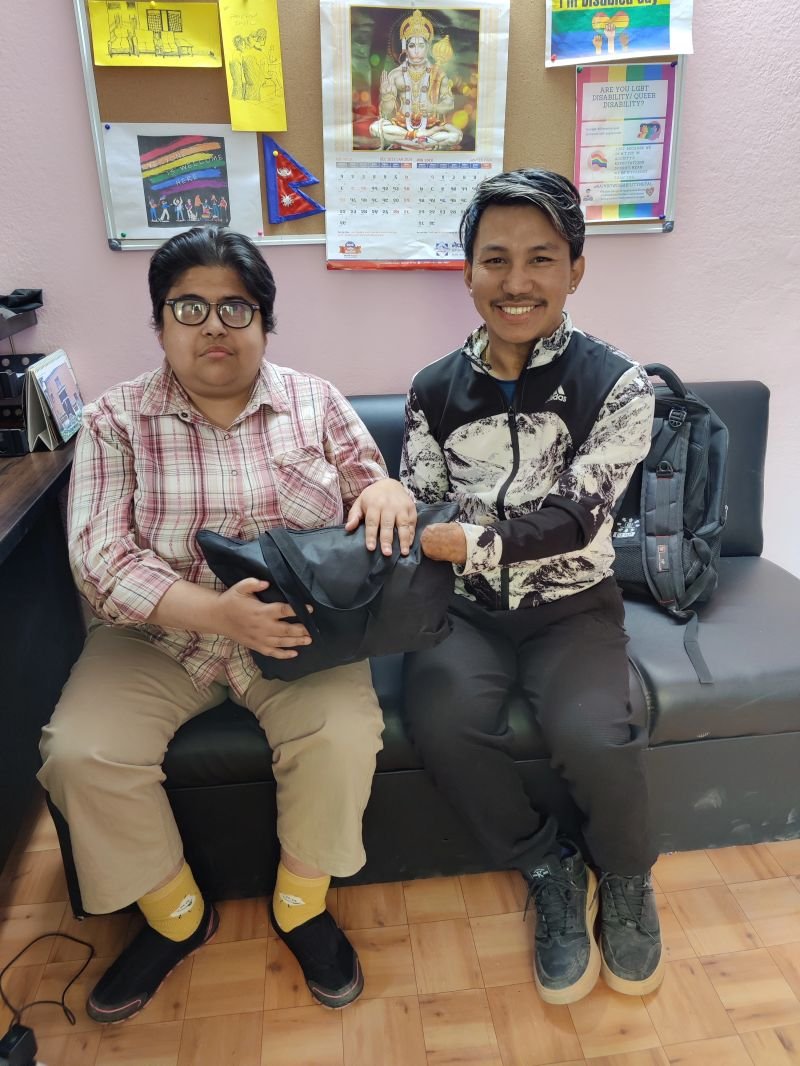
I was surprised to hear that Drokpo Nepal is a volunteer-run organization, with members as young as 18 years old working their hardest to make an impact. I was even more surprised to hear that there were full time members working on this initiative, spending their lives making a change in the community. 

To the supporters of CCF, Dolkar and Pema express their utmost gratitude, not only for fiscal support, but also for your faith; faith that Drokpo can truly help others, and faith that the lives of strangers in a different part of the world will truly improve.

Drokpo Nepal team leads Pema (left) Dunga (right) with CCF’s Kesang Drokpatsang and Denise Attwod.

Thanks to CCF volunteer Connor Chen for his time spent interviewing the Dropko Nepal leaders and writing up this story!


The Story of Sumi Bhotia

The Story of Sumi Bhotia

Taking the CCF training on Menstrual Hygiene a step further, Sumi Bhotia has started her own business to create Menstrual Pad Kits for her community in the remote regions of Eastern Nepal.

Sumi Bhotia lives in far East Nepal, in the region called Sankhuwasabha. In March 2021, she was one of the main volunteers who accompanied the CCF team on their two week Menstrual Hygiene Training program through Arun Valley. Through over half a dozen villages in a journey spanning nearly 100 miles along the valley floor, Sumi sat with other women from the Lhomi community as they shared stories of their experiences with menstruation, many talking about it openly for the first time in their lives. 

Living in one of the world’s deepest valleys, in a far corner of the Himalayas, means many resources for everyday life are limited. For Lhomi women, this means practices of “free bleeding” during their menstrual cycle and/or using scraps of cloth have been the norm for generations. In more recent years, the younger women have taken to using disposable sanitary pads, but these are difficult – not to mention expensive – to procure.  

These conversations, and the positive response she saw come out of them, inspired Sumi to do something radical: she decided to start her own business – a one stop shop for women's needs in her community. 

Having learned to make DIY menstrual pads during CCF’s training in March of 2021, Sumi started by buying a second-hand sewing machine to speed up the process and experiment with training others. 

Ever since she was little, Sumi had loved to sew. For many years, she put this skill to work stitching clothes for her two small children and her husband, a furniture maker in their local community. Now, she says, she is teaching her kids to sew and make their own pads as well. 

Sumi, like many others in the Lhomi community, typically migrates back and forth seasonally between her village and Kathmandu. She chose to set up her business in Kathmandu because sourcing materials was much easier. 

Once this decision had been made, Sumi began making full sanitary pad kits, as well as traditional clothing, and marketing it to the people back in the villages of Sankhuwasabha. As word spread, customers from all across the Arun Valley began to order her goods. Since getting the products from Kathmandu to the villages was no easy process, customers often come bearing orders from multiple families in the area.

Should you doubt Sumi’s business acumen, just imagine what it takes to orchestrate this supply and production chain across the remote mountain region. With Sumi’s main shop in Kathmandu, any order from the village sets off a cross-country cascade of work: fabric and supplies must be shipped in from India, sewn and transformed in the Kathmandu Valley, and finally flown into Sankhuwasabha, all before being carried the remaining miles along the Arun Valley floor to be delivered to the village in question. 

As Sumi readily admits, developing her business has been far from easy. She says the cost of doing business this way is high. To make the pads, she has to buy a variety of fabrics, and the global economic ripples of inflation have worked their way into Nepal, making costs skyrocket. She often goes to get the fabric herself, carrying bolts of cloth and waterproof padding by hand and rickshaw through the streets of Kathmandu. 

Despite all this, last year Sumi took out a $6,800 loan to grow her business and set up a shop. Though the interest rate on this loan is high, she’s been able to hire four other staff members to keep up with the demand. As she looks forward to the future, she is happy that she is teaching her children to be independent, creative, and industrious. 

Traditionally, most Lhomi women in Kathmandu sustain their lives and earn income by making local liquor. Sumi’s goal is to inspire her peers to set up their own business and branch out for themselves. As her business grows, she is planning to provide sewing workshops to facilitate this process. 

Though Sumi lives far away from the Arun Valley and her family in Sankhuwasabha, she is a role model for many in her community and young women around the world. Her children and her village see her as a fighter, someone who will always have their back.

The work of the Conscious Connections Foundation is to feed that fire and help new sparks shine.

Help us create the space to imagine new possibilities like the one Sumi has breathed into life. 

give today

Refining the Mission of CCF

by Dr. Kim Maynard, CCF Board Member

“Through Nepali - North American partnership, CCF invests in the power of women and girls to be key participants in their society ”

That’s it. That was CCF’s new mission statement as it came to our little ad-hoc committee one early evening in February. Four of us Board members had sat around a zoom room for less than an hour when we landed on this. We knew we had nailed it.

We began the meeting by each of us holding our own image of what CCF does. We individually felt into CCF’s purpose, it’s real essence. And then we shared what arose. We felt CCF’s deep commitment to the potential that comes from empowering girls and women, how it works to directly support Nepalis’ own visions. We felt our own excitement about sharing the face of Nepal and its remarkable human and cultural beauty with others. And we so deeply want to give what we can to enable the best lives possible in Nepal. The mission statement wrote itself.

It began months before when I re-read our old mission statement and felt a slight ping. “This doesn’t capture the passion I feel for CCF’s work,” I said to myself. Two years earlier the Board had reflected deeply about what we do and how we do it. That resulted in a clear articulation of our foundational principles, what criteria we use to make funding decisions, and our methodology of operation. It was essentially making explicit how CCF’s operates. Our previous mission statement didn’t quite capture this same sense of refined purpose.

So I spent some time reviewing key characteristics of good mission statements and their function and came up with some possibilities. Other Board members chimed in. And then we met.

It was astonishing, really, that it came together that easily. But then, of course it would. Being on the Board of Directors of CCF means I have the fortune to work with others who are truly committed to seeing Nepal thrive. And Nepal thriving means that women thrive, as women are the backbone of Nepali society. Women thriving means girls get the opportunities to make choices in their lives. One of those choices is to go to school. Going to school means that they have knowledge and resources when they are menstruating. And that knowledge and those resources are part of what CCF provides.

CCF at work in nepal—hunger relief, menstrual hygiene training and girl's education

CCF at work in Nepal: hunger relief, menstrual hygiene training and girls education.

Women’s ability to participate fully in society contributes to healthier communities. And a healthy community has resiliency during emergencies such as disease outbreaks, earthquakes, and landslides. Emergencies are what those of us in North America hear about. CCF has had the extraordinary support of so many generous people who have given under dire circumstances and are equally committed to supporting Nepal. Our partnership across continents enriches all of us whether we are contributing funds, working closely with Nepalis as they decide their priorities, or witnessing the outcome of this collaboration on CCF’s website.

A shout echoed in the zoom room as we four committee members acknowledged the mutual passion and commitment we have for CCF’s work. So cool. As we said, through Nepali-North American partnership, CCF invests in the power of women and girls to be key participants in their society. And we are proud of it. Thanks to all who join us in this.

GIVE TODAY