economic empowerment

Stories of Resilience, Part 5: A Journey of Identity, Respect, and Change

From October 10 to November 2, 2025, Conscious Connections Nepal (CCN), with support from the Conscious Connections Foundation (CCF) and in partnership with Giving Face, organized a 10-day makeup training in Kalaiya Municipality, Bara District for transgender women and LGBTQI+ individuals, including those living with HIV. Please read our post about the training here. Interviews were conducted during the training, and five stories were developed to document stories of resilience, discrimination, and hope. This is the 5th and final story, the story of Krishna Bahadur Thapa

A Journey of Identity, Respect, and Change

My Story, by Krishna Bahadur Thapa

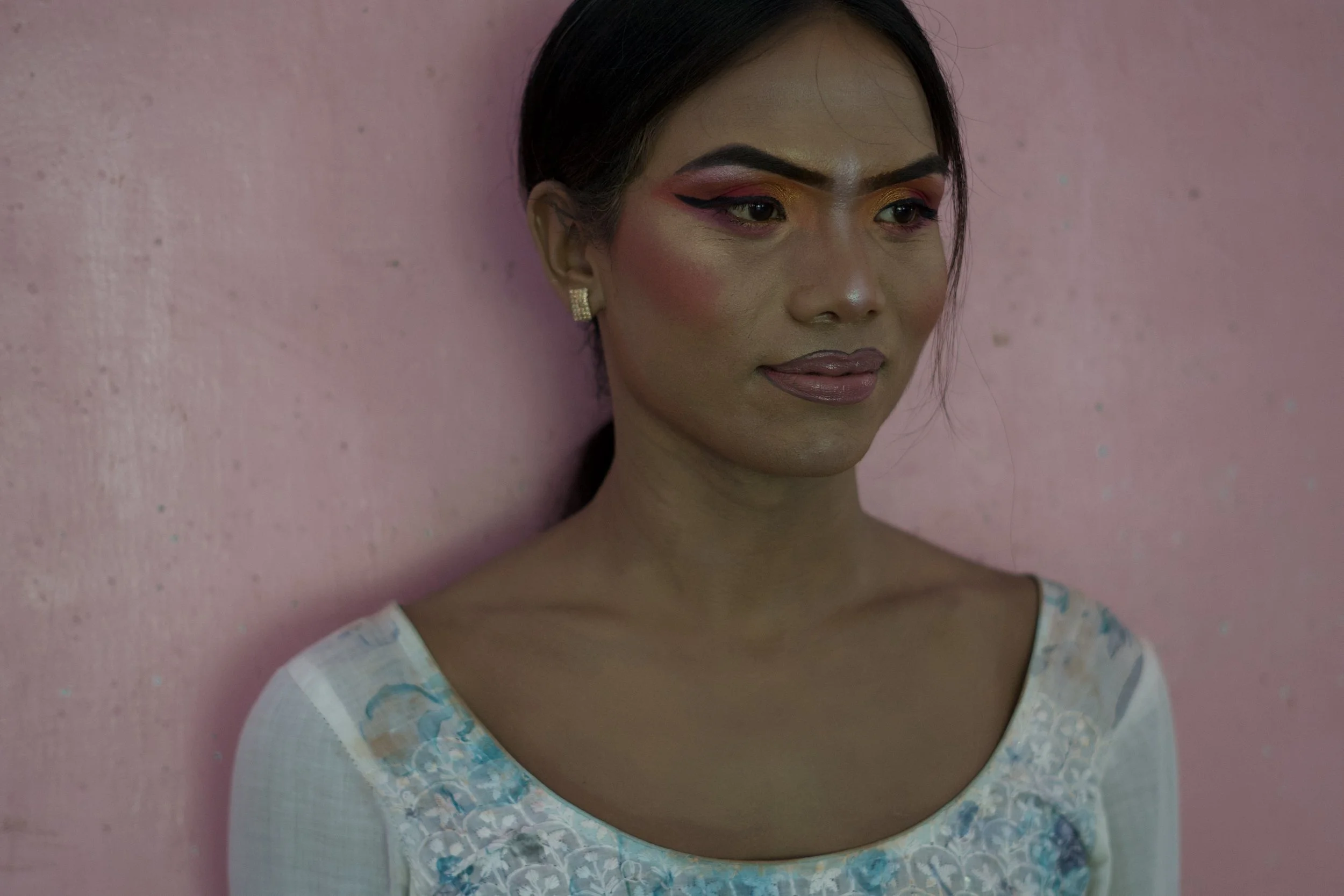
I’m Krishna Bahadur Thapa, 78 years old — a retired government employee and, in my heart, a proud transwoman. I’ve lived a long life between silence and expression, respect and rejection.

I married, raised two sons, and fulfilled my duties as a husband and father — at least in the eyes of the world. But inside, I always knew I was different. I never came out — not even to my wife. Yet somehow, they knew.

When I was younger, I used to dress in women’s clothes and perform dances, even at my office functions. People laughed and clapped. My parents accepted me as I was. My wife tolerated it. Only my younger son couldn’t — he once tore up one of my photos, saying I brought shame to our family. That hurt deeply.
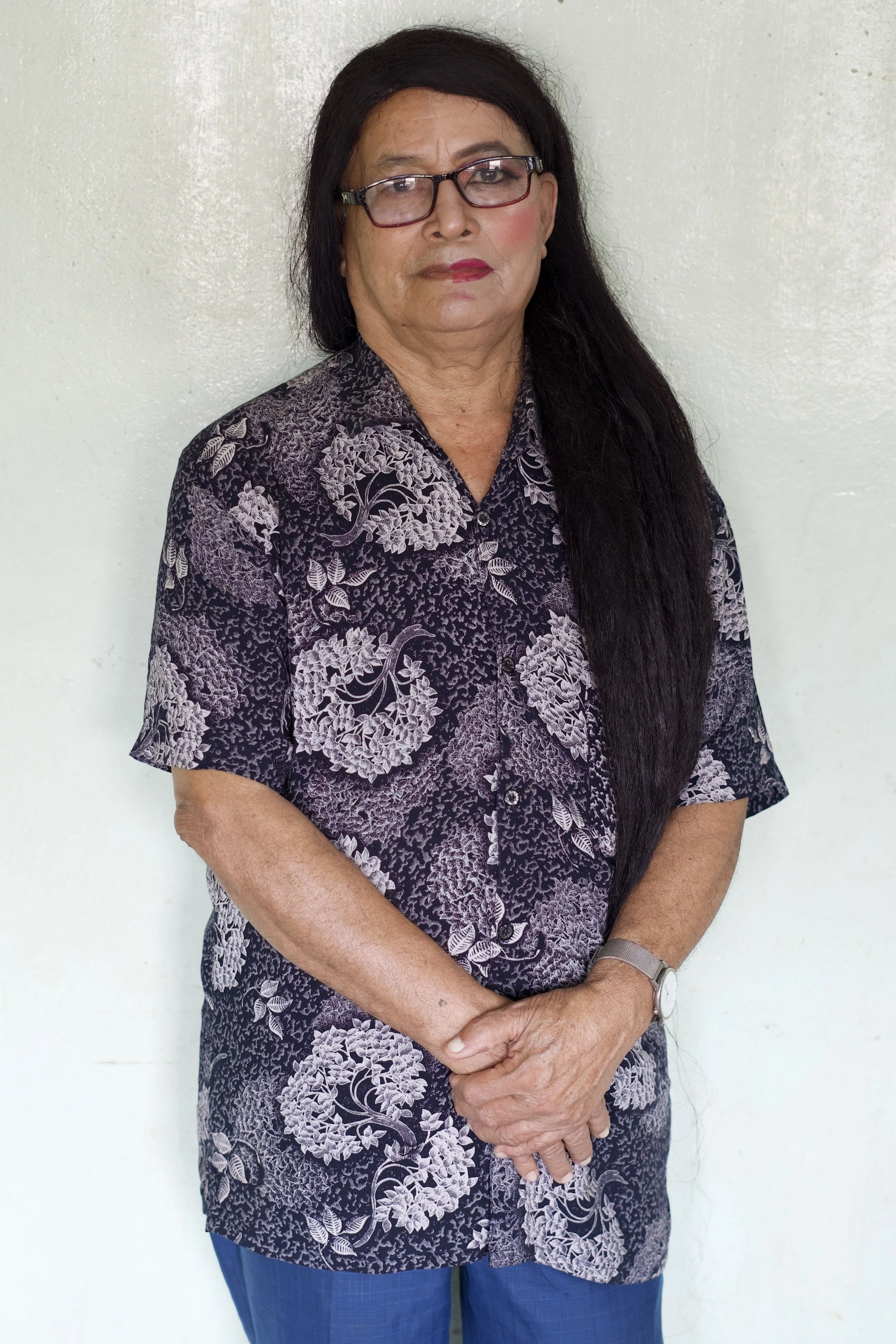
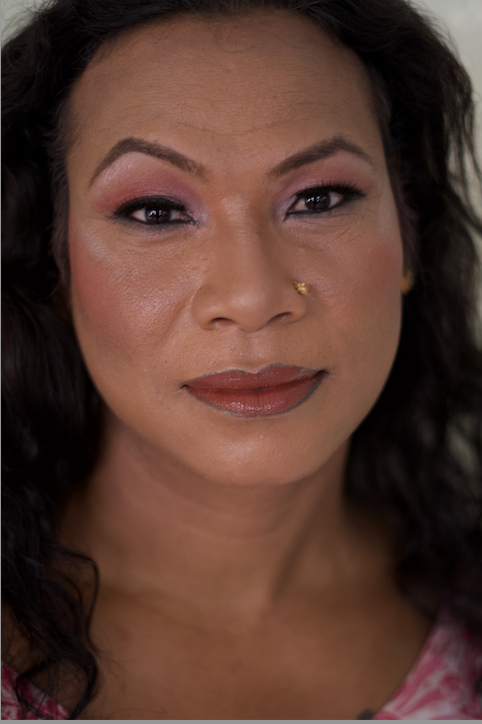
Photo Credit: Rohan Thapa, photographer

I remember when transgender people were respected in our society. We dressed gracefully, behaved politely. People saw us as part of the community. Now, many of us are forced into sex work just to survive. I see young people struggling, humiliated, and at risk.

I joined the Blue Diamond Society 14 years ago — at the age of 64. There, I learned about HIV, condoms, and awareness. Before that, I didn’t even know what HIV was. We only knew the word “syphilis.”

Now, I spend my days talking to younger trans people, telling them to protect themselves, to learn, to live with dignity. I tell them — hiding only spreads harm. We must teach about sex education and HIV from school level, or our next generation will suffer too.

My life has been full of silence, but also full of lessons. The world may have changed, but my message stays the same — live with respect, love yourself, and never stop teaching others to do the same.
Stories of Resilience, Part 4: Because of Renu Didi, I Am Alive Today

From October 10 to November 2, 2025, Conscious Connections Nepal (CCN), with support from the Conscious Connections Foundation (CCF) and in partnership with Giving Face, organized a 10-day makeup training in Kalaiya Municipality, Bara District for transgender women and LGBTQI+ individuals, including those living with HIV. Please read our first post about the training here. Interviews were conducted during the training, and five stories were developed to document stories of resilience, discrimination, and hope. This is story #4, the story of Renu Manandhar.

Because of Renu Didi, I Am Alive Today

My Story, by Renu Manandhar

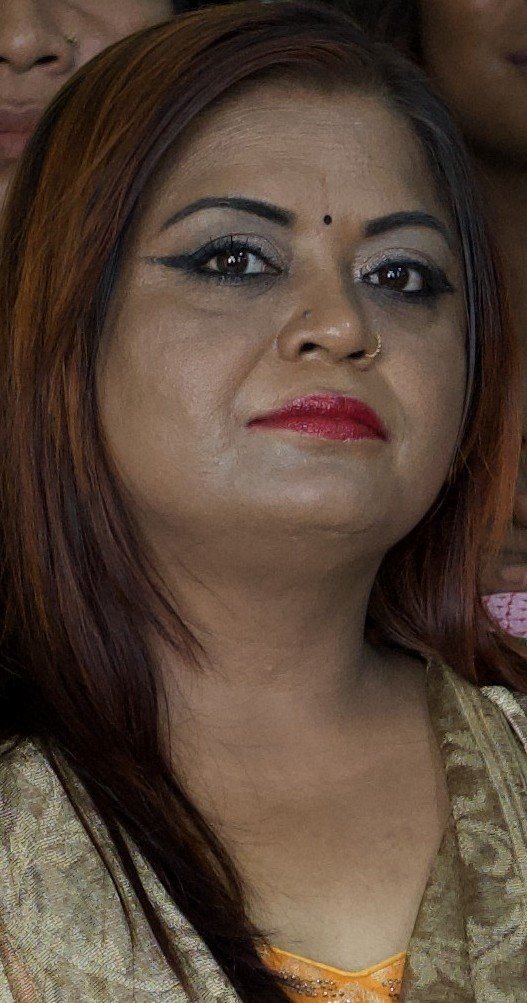
My name is Renu Manandhar. I’m 52 years old, from Birgunj. For five years, I’ve been working with the Blue Diamond Society, serving people living with HIV across Madhesh Province.

Most of my days are spent on the move — visiting homes, delivering antiretroviral (ARV) medicines, or counseling those too afraid to speak. The stigma here runs deep. Many people hide their condition, even from their families.

Photo Credit: Rohan Thapa, photographer

I know how heavy that silence can feel. My husband was once HIV positive and a drug user. He got infected through shared syringes. Back then, I didn’t understand what HIV meant — only that it changed everything. But I stayed. I helped him recover. I took my medication regularly.

Eighteen years later, we are still here — alive, stable, and hopeful. My husband drives an auto-rickshaw now. We’ve built a small, happy life from the pieces of what once felt broken.

When the USAID project ended, many things became harder — especially the shortage of condoms. Before, we used to distribute around 5,000 condoms every week in Kalaiya. Now the supply is limited, and the risk of transmission has increased. Still, we do what we can.

People in Bara and Parsa often call me Renu Didi. They say, “Because of Renu Didi, I am alive today.” Every time I hear those words, I remind myself why I began this journey — to turn pain into purpose.

Through my work, I’ve learned that healing is not just about medicine; it’s about compassion, dignity, and never giving up on people — no matter how broken they feel.

Stories of Resilience, Part 3: We Come and Go in Respect

From October 10 to November 2, 2025, Conscious Connections Nepal (CCN), with support from the Conscious Connections Foundation (CCF) and in partnership with Giving Face, organized a 10-day makeup training in Kalaiya Municipality, Bara District for transgender women and LGBTQI+ individuals, including those living with HIV. Please read our first post about the training here. Interviews were conducted during the training, and five stories were developed to document stories of resilience, discrimination, and hope. This is story #3, the story of Punam Kumari Kayastha

We Come and Go in Respect

My Story, by Punam Kumari Kayastha

My name is Punam Kumari Kayastha. I’m 40 years old and live in Kalaiya with my daughter, who is preparing for her SEE exams. When people ask me what I do, I tell them: I help others live — because that’s what saved me.

I work with the Blue Diamond Society as a field officer, helping people living with HIV. Since 2014, I’ve identified more than 350 HIV cases in Bara District — men, women, transgender people, even children.

But this is more than a job for me. It’s personal.

Photo Credit: Rohan Thapa, photographer

Years ago, I was married, expecting twins. My husband never told me he was HIV positive. When I miscarried, the doctors discovered I was also infected. My husband later died from meningitis. His family blamed me, threw me out of their home. I was left with nothing.

For a long time, I cried every night. But then, something inside me shifted. I thought — if I’ve suffered this much, maybe I can stop others from suffering the same.

Today, I help people start medication, make follow-ups, and remind them they are not alone. I go door to door, visit health posts, and work closely with municipalities. Some days are exhausting, but when a client tells me, “Because of you, I’m alive,”I know I’ve done something right.

Funding cuts after the USAID project ended made our work harder. But we continue — because this community can’t be abandoned.

I often say, “Ezzat le jane ho, ezzat le aune ho” — we come and go in respect. That’s my philosophy. I lost my home once, but I built a new one in the hearts of the people I serve.

Stories of Resilience, Part 2: Between Identity and Responsibility

From October 10 to November 2, 2025, Conscious Connections Nepal (CCN), with support from the Conscious Connections Foundation (CCF) and in partnership with Giving Face, organized a 10-day makeup training in Kalaiya Municipality, Bara District for transgender women and LGBTQI+ individuals, including those living with HIV. Please read our first post about the training here. Interviews were conducted during the training, and five stories were developed to document stories of resilience, discrimination, and hope. This is story #2, the story of Selina Chaudhary.

Between Identity and Responsibility

My Story, by Selina Chaudhary

My name is Selina Chaudhary. I’m 29 years old, from Dhangadhi — though my life now is in Kalaiya. I live between two worlds: one where I am my true self, and another where I’m a husband and father, playing a role I never fully chose.

I realized I was different when I was a child, but I couldn’t name what that difference was. I grew up quiet, careful, and afraid of disappointing my parents. Later, I fell in love with a girl. We married. I told myself this was what life was supposed to be —family, stability, normalcy.

Four days before the wedding, I tried to explain to her that I was “different.” I didn’t yet have the word “transgender,” but I tried. She was confused, but she said she wouldn’t leave me. That promise tied us together.

Photo Credit: Rohan Thapa, photographer

Today, we have a beautiful four-year-old child. My wife and child live in Dhangadhi. I live here in Kalaiya, dancing and doing makeup to earn money for them. The money I send home feeds them. But the truth I hide from them feeds my guilt.

I am also living with an STD. I once tested my wife’s blood — it was normal. But I worry every day that I might have put her at risk. I want to tell her, but the words never come. She sometimes asks if I’m “different.”  I deny it, smiling, but inside I ache.

If I had known about the transgender community earlier, I would have chosen to live openly as myself — maybe even started hormone therapy. Instead, I learned late, after years of silence.

Still, I try to stay hopeful. I dream of saving enough to build a small house for my family. I tell myself that once I’ve done that, maybe I can finally live as me.

My story is not about shame — it’s about searching. Searching for self, for peace, and for the courage to live the truth that’s always been waiting inside me.

Stories of Resilience, Part 1: Dancing through the Struggles

From October 10 to November 2, 2025, Conscious Connections Nepal (CCN), with support from the Conscious Connections Foundation (CCF) and in partnership with Giving Face, organized a 10-day makeup training in Kalaiya Municipality, Bara District for transgender women and LGBTQI+ individuals, including those living with HIV. Please read our blog post about the training here. Interviews were conducted during the training, and five stories were developed to document stories of resilience, discrimination, and hope. Stories will be posted regularly. This is story #1, the story of Suman Chaudhary.

Dancing through the Struggles

My Journey, by Suman Chaudhary

My name is Suman Chaudhary — though that’s not the name I was born with. It’s the name I chose for myself, the name that feels true. I grew up in Dhangadhi, far from Kalaiya, nearly a 14-hour journey away. The distance between those two places feels like the distance between who I was told to be and who I became.

I never finished school. I left before Grade 10, chasing something I didn’t yet have the words for — freedom. When I first met other transgender women who danced at weddings and festivals, I felt seen for the first time. So, I packed a small bag, left home, and followed that rhythm all the way to Kalaiya.

Photo Credit: Rohan Thapa, photographer

Life here wasn’t easy. We danced at ceremonies, earning just enough for food and rent. Some nights, hunger and loneliness were heavier than any music. And like many of us, I found myself pushed into sex work — not out of choice, but survival.

One night changed everything. I had met a man at a dance — an army officer. We talked, he smiled, and I trusted him. Later, I woke up disoriented, bruised, my clothes gone. I don’t remember what happened, but I remember the silence afterward. No one told me I could go to a hospital. I didn’t know I had the right to.

Fourteen years have passed since that night. Today, I live with HIV. I take my medication regularly and still dance to earn a living. Sometimes Rs. 200, sometimes Rs. 500 — enough to survive, not to rest. Yet, I smile. Because smiling is something the world can’t take away from me.

For a few years, I worked with the Blue Diamond Society in Dhangadhi, helping others learn about HIV prevention and their rights. When the USAID project funding ended, I lost that job, but not my purpose. The work gave me strength — to speak, to help, to dream.

I live with my partner now, and even though life remains uncertain, I’ve learned to find peace in small victories: waking up healthy, sharing laughter, doing makeup for my friends, and dancing for joy, not survival.

Every day I tell myself — I may have been broken once, but I am still here, still moving, still dancing through struggles.

Creating a Safe Space for Beauty and Dignity: Makeup Training in Kalaiya

Written by Kesang Yudron, Founder and Director of Conscious Connections Nepal

From October 10 to November 2, 2025, Conscious Connections Nepal (CCN), with support from the Conscious Connections Foundation (CCF) and in partnership with Giving Face, organized a transformative makeup training in Kalaiya Municipality, Bara District. Designed for transgender women and LGBTQI+ individuals—including those living with HIV and other STDs—the program offered far more than technical skills by creating a critical space for dignity, confidence, and community. 

Bara District, located in Madhesh Province, continues to face deep-rooted gender inequality, poverty, and social stigma towards LGBTQI+ individuals. In this context, transgender and sexual minority individuals face multiple barriers, including discrimination and limited access to education, employment, and healthcare.

This training aimed to empower participants through vocational skills that promote both economic independence and social dignity.

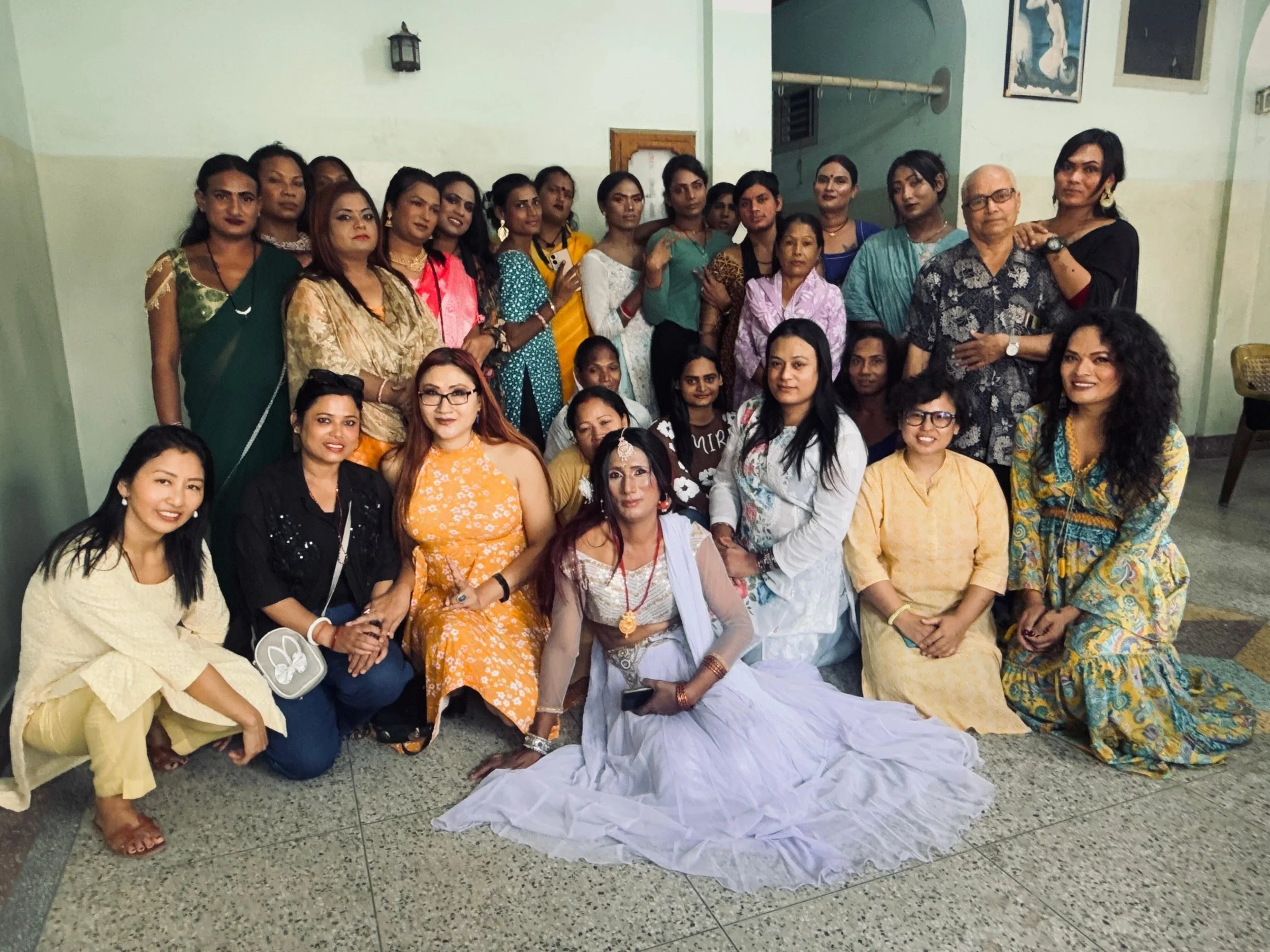
Training participants and CCN staff. Photo Credit: Rohan Thapa, photographer

Building Confidence through Skills Training

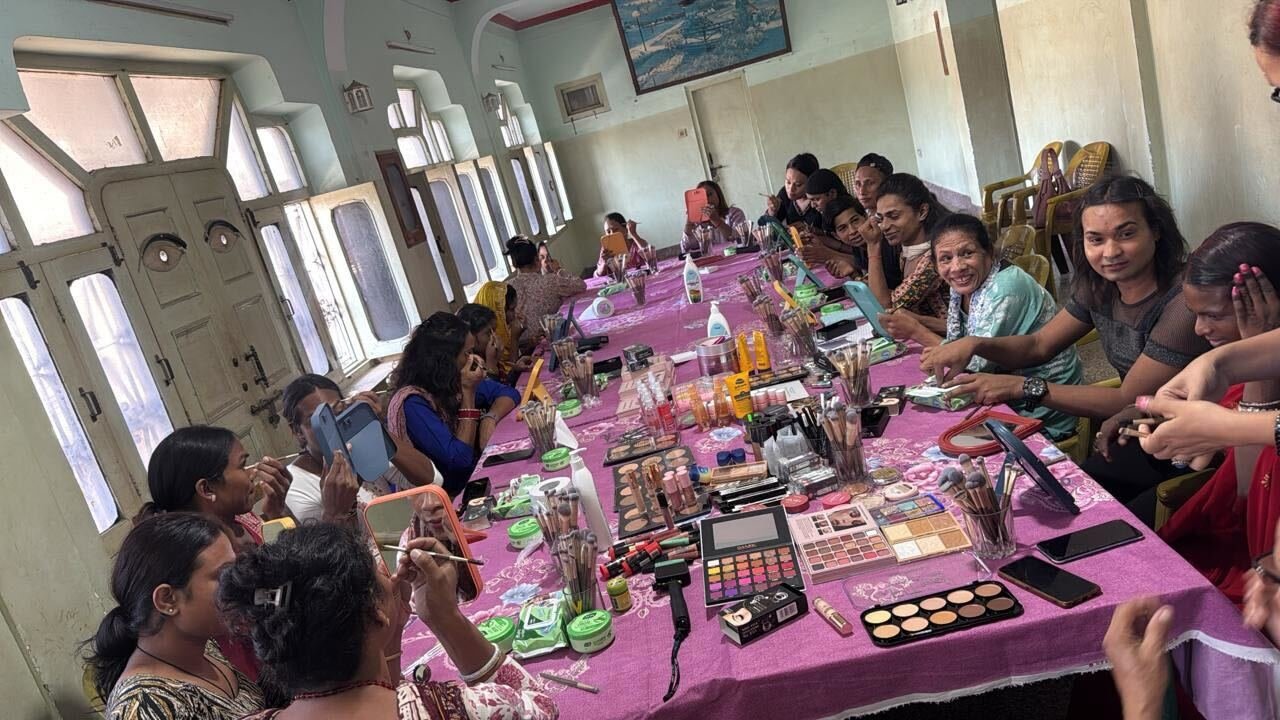
The 10-day training program brought together 40 participants, providing them with practical knowledge of makeup artistry, client interaction, and hygiene. Led by a professional trainer, the sessions emphasized confidence-building, self-expression, and teamwork. Beyond technical learning, the training created a safe and inclusive environment where participants could openly express themselves and gain a sense of belonging.

Highlights include:

  • 40 transgender and LGBTQI+ participants successfully completed the training.

  • Inclusive participation of HIV-positive individuals and members of marginalized communities.

  • Ethical photo documentation conducted with informed consent.

  • Makeup products distributed among participants and the Blue Diamond Society for continued use and skill practice.

  • Five personal blogs generated from participant interviews for awareness and advocacy.

Practicing makeup techniques. Photo Credit: Rohan Thapa, photographer

Stories of Strength and Self-Reflection

During the course of the training, CCN conducted personal interviews with selected participants to understand their lived experiences and aspirations. From these interviews, five blogs were developed to document and share stories of resilience, discrimination, and hope to raise awareness and visibility.

Photo Credit: Rohan Thapa, photographer

Interviews revealed that most participants had faced economic vulnerability, family rejection, and social exclusion. Many engaged in informal or unsafe work, such as dancing or sex work, to survive. Through the training, participants discovered not just a new skill but also a renewed sense of self-worth, creativity, and hope. Several participants shared deeply moving stories of survival, discrimination, and courage highlighting the urgent need for safe spaces and sustainable livelihood opportunitiesfor transgender individuals in Nepal’s rural and semi-urban areas.

The participants also expressed strong hopes for the future, including:

  • To gain income-generating jobs in beauty sector or start small beauty businesses.

  • To be accepted and respected by society as professionals.

  • To move away from sex work and unsafe labor toward stable and dignified employment.

  • To earn enough income to support their families and live independently.

Hopes, Dreams, and the Road Ahead

Photo Credit: Rohan Thapa, photographer

The Makeup Training in Kalaiya was not just a skill-building event, it was a transformative experience for many individuals. It enhanced confidence, promoted inclusion, and inspired participants to envision better futures. For both the team and the participants, it opened a new space to express individuality and reclaim dignity. The training became a powerful medium to enhance the inner beauty, confidence, and self-worth of participants, while also giving them a tangible skill to earn a living and support their families.

Listening to their stories was deeply emotional; many came from environments marked by poverty, stigma, and neglect. Yet, amidst these challenges, we witnessed immense resilience and potential. We have encouraged every participant to carry forward what they learned to turn makeup into not just a profession, but a path toward independence and self-respect. Ultimately, their future depends on their trust, dedication, and hard work, and we believe that with the right support, they can rise beyond the boundaries imposed by society and build the lives they dream of.

Sharing Their Stories

Over the course of the next few weeks, we will be sharing five personal stories of several participants - narratives of resilience, identity, discrimination, courage, and hope. These stories highlight both the challenges transgender individuals face in Nepal and the remarkable strength they carry forward.

Training participants share a message. Credit: Rohan Thapa, photographer

Thank you for your continued support of our work in Nepal.

Give Today